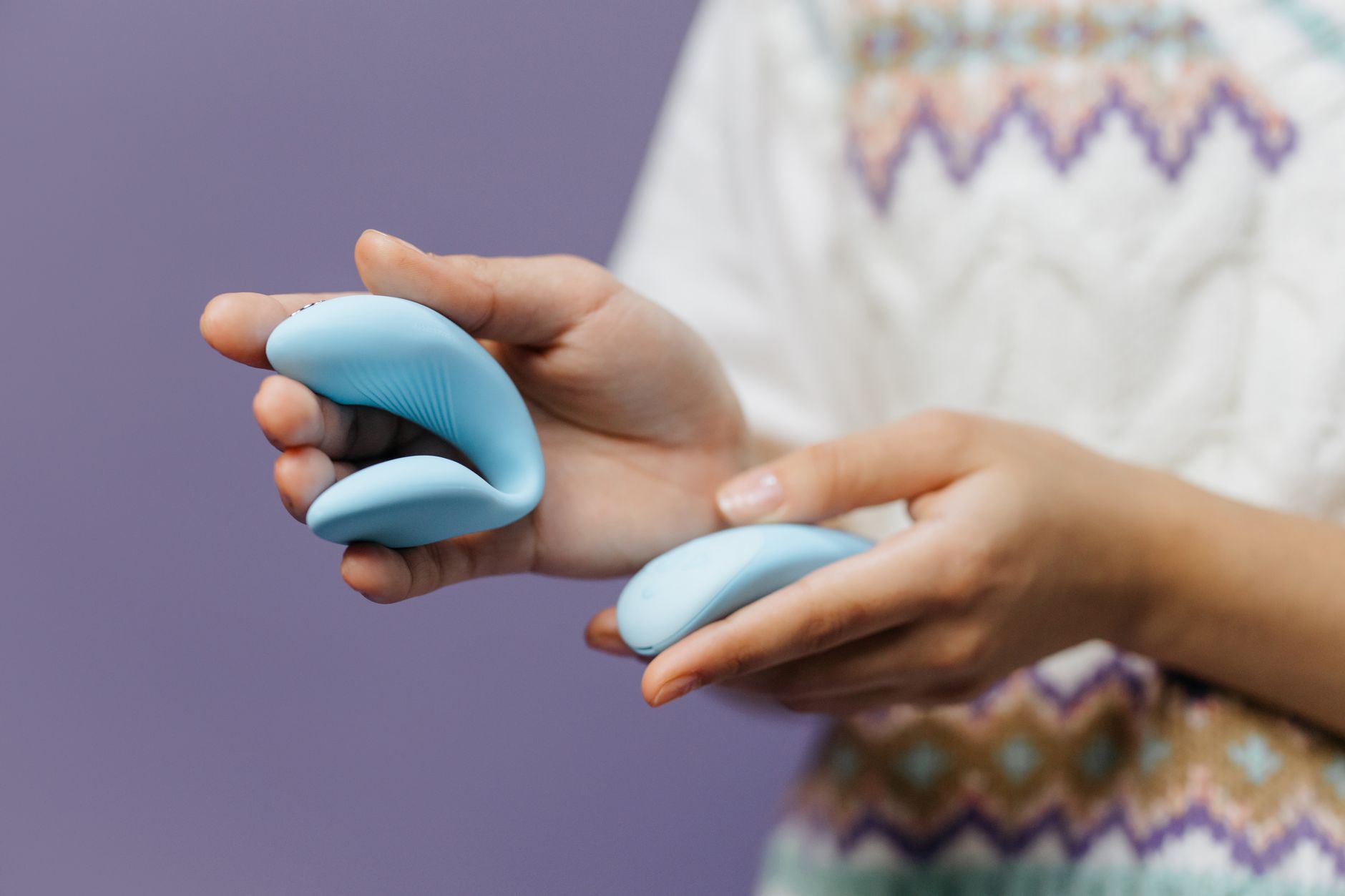
The thing nobody warns you about
Hormonal birth control is a miracle. It's also, quietly, one of the biggest mood and sensation dampeners most people will ever swallow. Nobody tells you this in the gynecologist's office. They tell you about breakthrough bleeding and nausea. They don't say: "By the way, your orgasms might feel muted. Arousal might take longer. Your body might feel like it's turned down from an 8 to a 4."
If you've noticed your pleasure landscape has shifted since starting the pill, patch, ring, or hormonal IUD, you're not losing your mind. This is real, documented, and affecting millions of people who don't have language for it.
Why hormonal contraceptives dim sensation
Here's what's happening biochemically. Birth control works by suppressing the hormonal surge that triggers ovulation. It does this beautifully. It also, inevitably, keeps estrogen and testosterone both lower and flatter throughout your cycle. Both of these hormones fuel arousal, genital sensation, and the physical mechanics of pleasure.
Think of it this way. Normally, your testosterone peaks around ovulation. Your body gets a signal: "Pay attention. Feel everything." Arousal builds faster. Tissues swell. Sensation feels sharper, more responsive. The clitoris engorges more fully.
On hormonal contraception, that signal never fully arrives. Your baseline is maintained at a lower level, intentionally. Your body is essentially being asked to keep its hand off the gas pedal.
This affects multiple layers of pleasure:
- Genital blood flow. Testosterone and estrogen regulate how much blood reaches the clitoris and vulva during arousal. Lower hormones mean slower engorgement.
- Vaginal lubrication. Estrogen shapes the vaginal microbiome and mucus production. Less estrogen can mean less natural lubrication, even if you're aroused.
- Neural sensitivity. The clitoris has thousands of nerve endings. Hormones influence how responsive those nerves are to stimulation.
- Mental arousal. Testosterone affects desire itself. Many people on hormonal birth control report that even the want to initiate sex has quieted.
None of this means the contraceptive is failing. It means your nervous system has adjusted to a new baseline. And that baseline is often lower than what you knew before.
Why traditional vibrators often don't help
Most vibrators work by repetitive buzzing. They rely on your body's existing sensitivity to amplify. If your sensitivity is already dampened by hormones, a standard vibrator can feel like it's vibrating against a muffled surface. You have to turn it up. Then you get numb. Then you turn it up again.
This is where lemon vibrators, and specifically suction-based clitoral vibrators like the Lem, operate differently.
Instead of hoping your tissue is sensitive enough to feel the vibration, suction stimulates the clitoris by creating rhythmic pressure waves. It's a different sensory pathway entirely. The suction pulls tissue upward and releases, creating a massaging effect that engages deeper nerve clusters, not just surface sensitivity.
For bodies on hormonal contraception where arousal and sensation are already muted, this matters. You're not asking the tissue to be more responsive. You're using a fundamentally different mechanism to access pleasure that traditional vibrators can't reach.
Many people report that their first strong orgasm in years came with a lemon clitoral suction vibrator, specifically because the mechanism bypasses the sensation-dampening effect of their birth control.
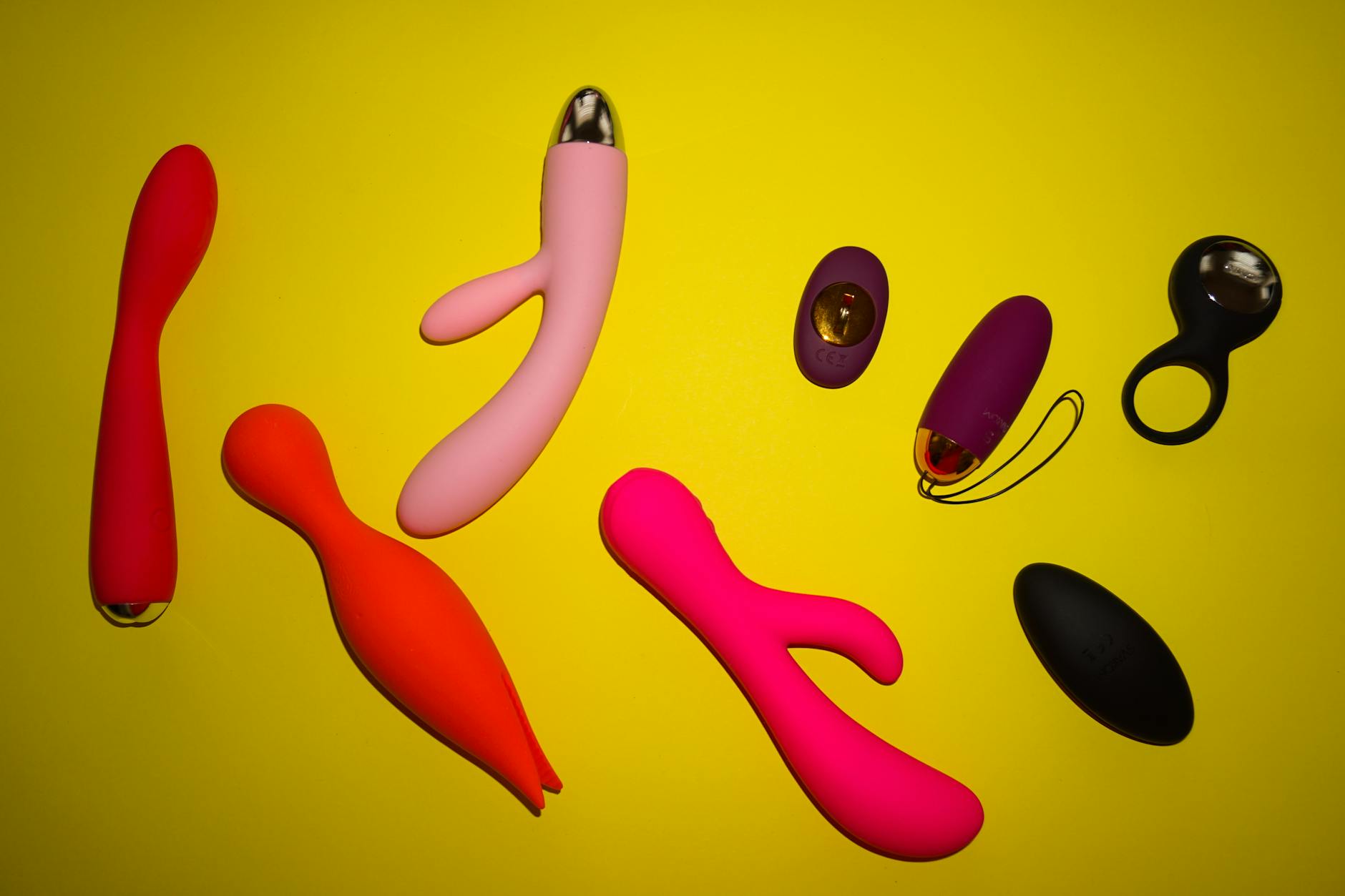
Photo by FounderTips on Pexels
How to know if this is your issue
Not every drop in sensation is caused by birth control. Sometimes it's stress, relationship shifts, depression, medication interactions, or just life. But here are some markers that hormonal contraception is specifically at play:
- You started the pill (or patch, or IUD) and noticed pleasure got quieter within weeks or months, not years.
- Arousal takes noticeably longer than it used to. You used to get there in 10 minutes; now it's 30 or more.
- Orgasms feel less intense. Less of a peak, more of a gentle swell.
- You've lost spontaneous desire. You don't think about sex as much; you have to be convinced into it.
- Your clitoris feels less engorged during arousal. It feels smaller, less prominent.
- Lubrication changed. You're drier, or production is delayed.
If most of these ring true and the timeline lines up with starting a new contraceptive, you've likely identified your culprit.
What actually helps (beyond switching contraceptives)
If stopping your birth control isn't an option, here are the tools that work:
Lemon clitoral vibrators. The suction mechanism engages deeper tissue and nerves that traditional vibration misses. Start on a lower intensity and let the sensation build. Many people find they can feel more on pattern 2 of a lemon suction toy than they could on high buzz of a traditional vibrator.
Longer warm-up time. Budget extra minutes before direct clitoral stimulation. More foreplay, more build, more time for your muted arousal system to gather momentum. This isn't a failure. It's just your new normal.
Better communication with partners. If someone's used to you being ready in five minutes and suddenly you need twenty, that's worth saying aloud. "My sensation has changed, and I want to explore what works now" is radically different from "Nothing works anymore."
Topical support. Some people swear by warming lubes or even a tiny amount of topical niacin (which increases blood flow to the area). These are experiments worth trying.
Timing intentionality. If you track your cycle, some days will still be more responsive than others, even on hormonal contraception. If your contraceptive allows any hormonal variation (mini-pill, for example), you might notice micro-cycles. Work with them, not against them.
The conversation to have with your doctor
If sensation loss is genuinely affecting your quality of life and relationships, bring it up. Not to push you toward switching, but because there are options.
Some people move to lower-dose pills or different progestin formulations. Some explore the mini-pill (progestin-only), which causes less suppression for some bodies. Some add a small dose of supplemental testosterone under medical supervision. Some switch to non-hormonal methods entirely.
Your gynecologist should hear this. If they dismiss it or imply it's not real, find a new one. Sensation changes on hormonal birth control are documented. They're worth addressing.
Why lemon vibrators specifically
If you're exploring lemon clitoral vibrators for the first time after hormonal dampening, know that the mechanism is forgiving for muted sensation. You don't need to be highly aroused for suction to feel good. You don't need to build to a peak. Many people on hormonal contraception report that suction-based toys are the first thing that's worked consistently in years.
The Lem, for example, is designed with multiple intensities. Start low. The sensation builds in layers. What felt like nothing on pattern 1 often reveals itself as something on pattern 3. You're not numb. You're just working with a different nervous system baseline.
It's not permanent
Here's the hopeful part. When and if you stop hormonal contraception, sensation usually returns within 2-6 months as your hormone levels rebalance. Some people report their sensitivity actually feels sharper than before, like their body is recalibrating to a higher default.
That doesn't mean you have to wait. You can explore what works for your body right now, on the contraceptive you've chosen. Lemon vibrators, longer foreplay, communication, intentionality. These aren't workarounds. They're tools for pleasure in the body you're actually living in.
FAQ
Does hormonal birth control permanently damage clitoral sensitivity?
No. When you stop hormonal contraception, sensation typically rebounds within a few months as your hormone levels normalize. The dampening is a side effect of active suppression, not permanent damage. Your nerve endings and tissues haven't changed. Your hormonal environment has.
Why do lemon suction vibrators feel different if the problem is hormonal?
Because they access sensation through a different mechanism. Traditional vibrators rely on your existing tissue sensitivity. Suction-based lemon clitoral vibrators create pressure waves that engage deeper nerve clusters and tissue layers that are still responsive, even when superficial sensitivity is dampened. It's not that you've regained sensitivity. It's that the tool is bypassing the dampened layer entirely.
Can I use a lemon vibrator safely on hormonal birth control?
Absolutely. Suction vibrators don't interact with hormones. They're just a different way of stimulating nerves and tissue. Many people find them more effective than traditional vibrators precisely because of hormonal dampening. Start on lower intensities and listen to your body.
Will using a lemon vibrator more often restore my natural sensation faster?
Not exactly. More use won't speed up your nerve endings' ability to respond if hormones are the limiting factor. But regular pleasure, especially through mechanisms that work, can help you stay connected to sensation and arousal in the body you currently have. That matters for mental health and relationship satisfaction.
Should I switch off my birth control if pleasure has dimmed?
That's deeply personal and depends on why you're on it. If you're using hormonal contraception for a medical reason (endometriosis, PCOS, severe periods), stopping might create bigger problems than muted sensation. Talk to your doctor about lower-dose options, different formulations, or supplemental tools. If sensation is a dealbreaker and you have other contraceptive options, that's a valid conversation to have.
Do all lemon clitoral vibrators feel the same, or are there differences between brands?
There are differences in intensity range, pattern variety, and size. Some are gentler for sensitive tissue. Some have a wider range of intensities. The Hello Nancy Lem, for example, is designed with a gradual intensity curve that builds steadily rather than jumping between extremes. When you're working with dampened sensation, that steady build often feels better than harsh intensity jumps.
The takeaway
If you're on hormonal birth control and pleasure has quietly faded to the background, you haven't lost your sexuality. Your nervous system is working with a different chemical baseline. Lemon vibrators, specifically suction-based clitoral vibrators, offer a different pathway to sensation when traditional tools have stopped working. Combined with longer warm-up time, better communication, and intentional timing, they help many people rediscover pleasure on their current contraceptive.
If sensation loss is affecting your relationship or well-being, talk to your doctor about adjusting your contraceptive. And in the meantime, explore what actually works for your body now. That might be a lemon clitoral vibrator. That might be something else. But you deserve pleasure, even on the pill.
Want to talk through what might work for your specific situation? Reach out. We're here to help.