
Does Switching to Lemon Vibrators Decrease Sensation Over Time?
Let's be real: if you've scrolled through pleasure forums or whispered questions to friends, you've probably heard the warning. "Don't use suction toys too much or you'll go numb." It's the kind of claim that sticks because it sounds plausible. But here's the thing—it's mostly fiction.
I've worked with hundreds of people navigating transitions between different types of stimulation, and the pattern is almost always the same. Sensation doesn't disappear. What changes is your baseline, your expectations, and what feels novel. Those are three completely different problems with three completely different solutions.
How your nervous system actually responds to pleasure
Your clitoris has roughly 8,000 nerve endings concentrated in a space the size of a pea. These nerves don't have an off switch or a dead battery. They adapt and recalibrate based on what you're exposing them to, which is called neural adaptation. This is real, but it's not damage. It's your body learning.
When you switch to a lemon vibrator (the suction-based clitoral toy that's become popular precisely because it feels so different), you're introducing a completely new sensation pattern. Suction works differently than vibration. It creates rhythmic compression and release rather than buzz. Your nervous system notices this. Your receptors respond. Over time, if that's all you use, you might notice that suction alone feels less intense than it did the first time.
But here's what's crucial: your ability to feel hasn't changed. Your capacity for pleasure is intact. What's shifted is that your nervous system has become efficient at processing that particular input. Efficiency is not the same as numbness.
The real mechanism behind the sensation shift
Three things happen when you switch exclusively to any single stimulation method, including lemon vibrators:
1. Habituation. Your receptors get used to the stimulus. The novelty wears off. This happens with every repeated sensation—your brain literally stops registering it as "new" after exposure. It's why a new perfume smells strong on day one and you can't smell it by day three, even though it's still there. Same mechanism, same nervous system. Not damage.
2. Expectation recalibration. The first time you experience something intense, your baseline for "intense" shifts upward. This is psychological and neurological. It's not that sensation decreased. It's that your reference point moved. This matters because it means you can deliberately shift it back.
3. Attention narrowing. When you use the same tool repeatedly, you stop noticing micro-variations in sensation because your attention is no longer scanning for novelty. Your body is generating the same pleasure response, but your brain is paying less attention to it. Different sensation. Same nerve function.
None of these mechanisms damage your clitoris. None of them cause actual numbness. What they do cause is a feeling of "I used to feel this more," which is frustrating and real, but not permanent.
Why lemon vibrators specifically get this reputation
The Lem and other suction-based clitoral vibrators get singled out because they're so effective. They use a completely different stimulation mechanism than traditional vibrators, which means when people switch to suction, the contrast is dramatic. This creates a cognitive illusion.
Here's what typically happens: someone discovers lemon vibrators and has incredible orgasms. They use them regularly. Then they try traditional vibration again and think, "This doesn't feel as good." The brain interprets this as "Suction toys made me numb." What actually happened is that their nervous system adapted to suction specifically, and now other sensations feel less novel.
It's like moving from a cold climate to a warm one. When you return to the cold, it feels colder than you remember—not because your cold receptors are broken, but because your baseline has shifted.
The data on clitoral sensitivity and toy use
There's remarkably little clinical research on whether vibrator use (of any type) causes permanent desensitization. What does exist shows no evidence of permanent nerve damage from regular vibrator use. Sex researchers like Laurie Mintz and Emily Nagoski have explored this extensively, and the consensus is clear: vibrator use doesn't permanently numb sensation.
What does happen sometimes is temporary reduced sensation immediately after intense stimulation—similar to how your legs feel tingly after a massage. This passes. It's not numbness. It's just nerve fatigue.
The important distinction: if you're experiencing actual pain or complete loss of sensation in your clitoris, that's a medical issue worth discussing with a provider. That's not about toy use. That's something else.
How to reset sensation without giving up lemon vibrators
If you're noticing that suction doesn't feel as intense as it once did, here are four practical strategies to recalibrate without abandoning the tools you love.
Rotate stimulation types. Use your lemon vibrator three times a week and explore other sensations (fingers, traditional vibration, partner touch) on other days. Your nervous system will recalibrate quickly because you're giving it variety. Novelty re-engages attention.
Lower the intensity. If your Lem has multiple settings, spend a week using only pattern 1 or 2. You'll be shocked how strong a lower setting feels when you've been living at pattern 5. Your baseline resets in days.
Take breaks strategically. A week off from suction will restore some of that first-time intensity. You don't need a month. Four to seven days is usually enough for neural adaptation to loosen its grip. Use this strategically before nights when pleasure matters most to you.
Combine stimulation types. Instead of suction alone, try suction plus partner touch, or suction plus penetration. The combination creates a different neural pathway than either alone. New sensation + existing tool = fresh experience.
The pleasure debt myth
One thing I want to gently push back on: the idea that intense pleasure "costs" you future sensation. Like there's a pleasure debt you're accruing. There isn't. Your clitoris doesn't have a finite budget of nerve firings. You're not burning through your capacity. You're just teaching your nervous system to be efficient.
This matters emotionally because guilt about pleasure use is a real thing that shows up in my office constantly. "I worry I'm using my body up." The truth is simpler and more generous: your body is designed for pleasure, it's designed to adapt, and adaptation isn't damage.
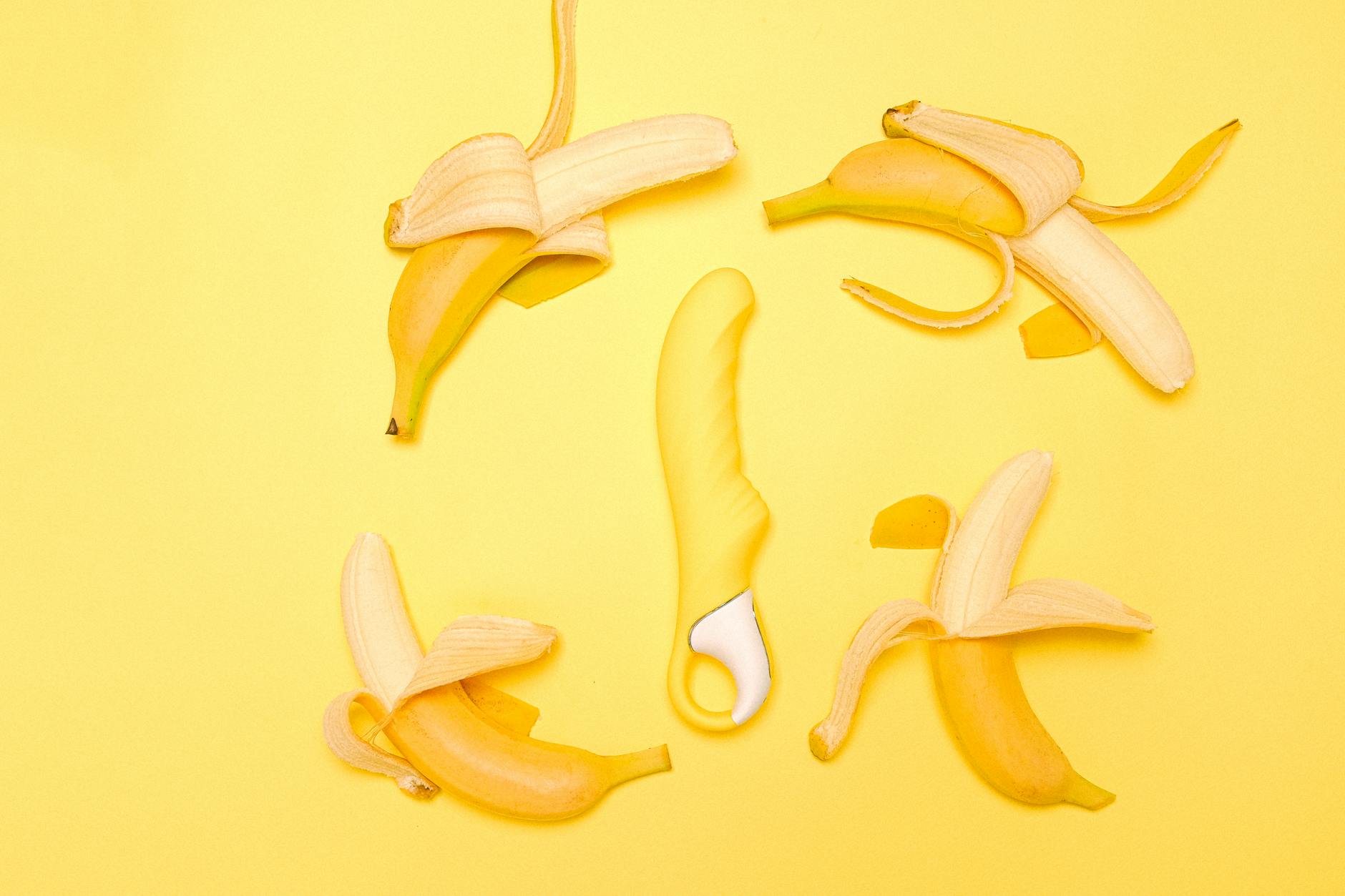
Photo by Anna Shvets on Pexels
The role of expectation in sensation loss
Here's something I see constantly: people become so invested in chasing that first-time intensity that they stop actually enjoying what's happening. The pleasure is there. The sensation is there. But they're too busy comparing this orgasm to the first orgasm to actually have the one they're having.
This is where the real work lives. Not in the nervous system, but in the mind. If you're using a lemon vibrator and you're feeling less than you used to, the first question to ask is: am I chasing novelty, or am I actually present for sensation? Sometimes these are different.
That said, the strategies above still work because novelty and variety genuinely do matter. Rotation isn't about tricking yourself. It's about giving your nervous system actual new information to process.
What actually matters for long-term pleasure
Switching to lemon vibrators won't decrease your sensation permanently. What will affect your pleasure over time is stress, hormonal changes, relationship dynamics, and whether you're emotionally present during sex. Toy choice is downstream of all of that.
If you're concerned about sensation loss, the real diagnostic questions are: Am I sleeping enough? Is my relationship connected? Am I managing stress? Do I feel safe with my partner? These matter more than any toy rotation strategy.
The good news: sensation doesn't have an expiration date. Your nervous system is endlessly adaptable. You can switch back and forth between suction and traditional vibration your whole life. You can take breaks and come back. You can experiment with intensity levels and patterns.
Your clitoris is not going to retire. You're not going to "use it up." The sensation you're looking for isn't gone. It's just resting, waiting for novelty or variety or a lower intensity setting to wake it back up.
People also ask
Can regular lemon vibrator use cause permanent clitoral numbness?
No. Temporary adaptation happens (which feels like reduced sensation), but permanent nerve damage doesn't occur from vibrator use of any kind. If you're experiencing actual numbness or pain, that's a medical issue worth evaluating with a provider, not a toy-use issue.
How long does it take for sensation to come back after using suction toys regularly?
Most people notice a reset in four to seven days if they stop using the tool and switch to other stimulation. Some notice it faster. You don't need weeks. Your nervous system is remarkably efficient at recalibrating once you introduce novelty or lower intensity.
Should I take breaks from my Lem vibrator to maintain sensitivity?
Not necessarily. You don't need scheduled breaks unless you're noticing that sensation is fading and you want to recapture that early intensity. If you're happy with how things feel, variation (different patterns, different intensities, combining with other stimulation) is usually enough. The goal is pleasure, not preventing some imagined damage.
Is it normal for sensation to feel different after switching from traditional vibrators to suction?
Completely normal. You're introducing a completely different stimulation mechanism. Your nervous system will respond differently. This isn't numbness from the new toy. It's adaptation to novelty. It's actually a sign that the tool is doing something your previous setup wasn't.
Can I still use my lemon vibrator if I'm worried about desensitization?
Absolutely. The worry is understandable but unfounded. Using your Lem regularly is fine. If sensation starts feeling flat, rotate to other stimulation types for a few days and come back. You're not damaging anything. You're just learning what your nervous system needs to stay engaged.
Does sensitivity come back if I stop using vibrators completely?
It does, but you don't need to stop completely. Reduced use or variety does the same thing faster. Take a week with just partner touch or fingers, then reintroduce your lemon vibrator on a lower setting. Your baseline will shift immediately. Complete cessation is unnecessary and honestly, why would you want to walk away from something that brings you pleasure?
The bottom line
Switching to a lemon vibrator won't numb you. Your nervous system will adapt, which is different from damage. Adaptation is also reversible. If sensation feels flat, the fix is simple: rotate your tools, lower the intensity, or take a short break. Your body is not running out of pleasure capacity. It's just asking for variety.
The best tool for long-term pleasure isn't a specific vibrator. It's presence, permission, and the willingness to stay curious about what feels good. That doesn't expire. Your clitoris is built for a lifetime of sensation. Trust it.
If you have questions about how to use your tools or rebuild connection with your own pleasure, reach out. That's what we're here for.