
How to Choose Lemon Vibrators if You Have Sensitive Skin
Let's be real: sensitive skin and pleasure don't have to be mutually exclusive. If you've ever felt hesitant about trying lemon vibrators because your skin reacts to fragrances, latex, or certain metals, you're not alone. The good news is that understanding materials, finishes, and maintenance transforms this from a barrier into a straightforward decision.
Here's what I see most often in my work with couples navigating intimacy: people with reactive skin assume they need to skip toys altogether. That's the wrong conclusion. You just need the right information about what touches your body and how to keep it clean.
The sensitivity you actually have matters
Before you even look at lemon vibrators or any lemon sexual toys, identify what your skin actually reacts to. This is step one, and it's worth the five minutes.
Do you react to fragrances? Sulfates? Latex condoms? Metal jewelry? Certain laundry detergents? Silicones in skincare? Write these down. This isn't paranoia. This is data.
Why it matters: different toy materials and coatings trigger different reactions. Some people have genuinely hypoallergenic skin and react only to latex and phthalates. Others react to certain silicones or to residue left from manufacturing. Knowing your specific trigger means you can actually shop instead of guessing.
Medical-grade silicone is the safest bet for most skin types
This is where most lemon adult toys live, and for good reason. Medical-grade silicone (also called platinum-cure silicone) is non-porous, hypoallergenic, and doesn't leach chemicals into your body.
The key word is medical-grade. Not all silicone is created equal. Cheap silicone can contain phthalates (softeners that make plastic flexible) and other compounds that irritate reactive skin. Medical-grade silicone doesn't have those fillers.
How to check: Real medical-grade silicone should feel smooth and slightly tacky to the touch. It shouldn't smell like plastic or rubber. Brands like Hello Nancy manufacture with verified medical-grade silicone and provide that information upfront. If a toy doesn't specify the silicone grade, that's a yellow flag.
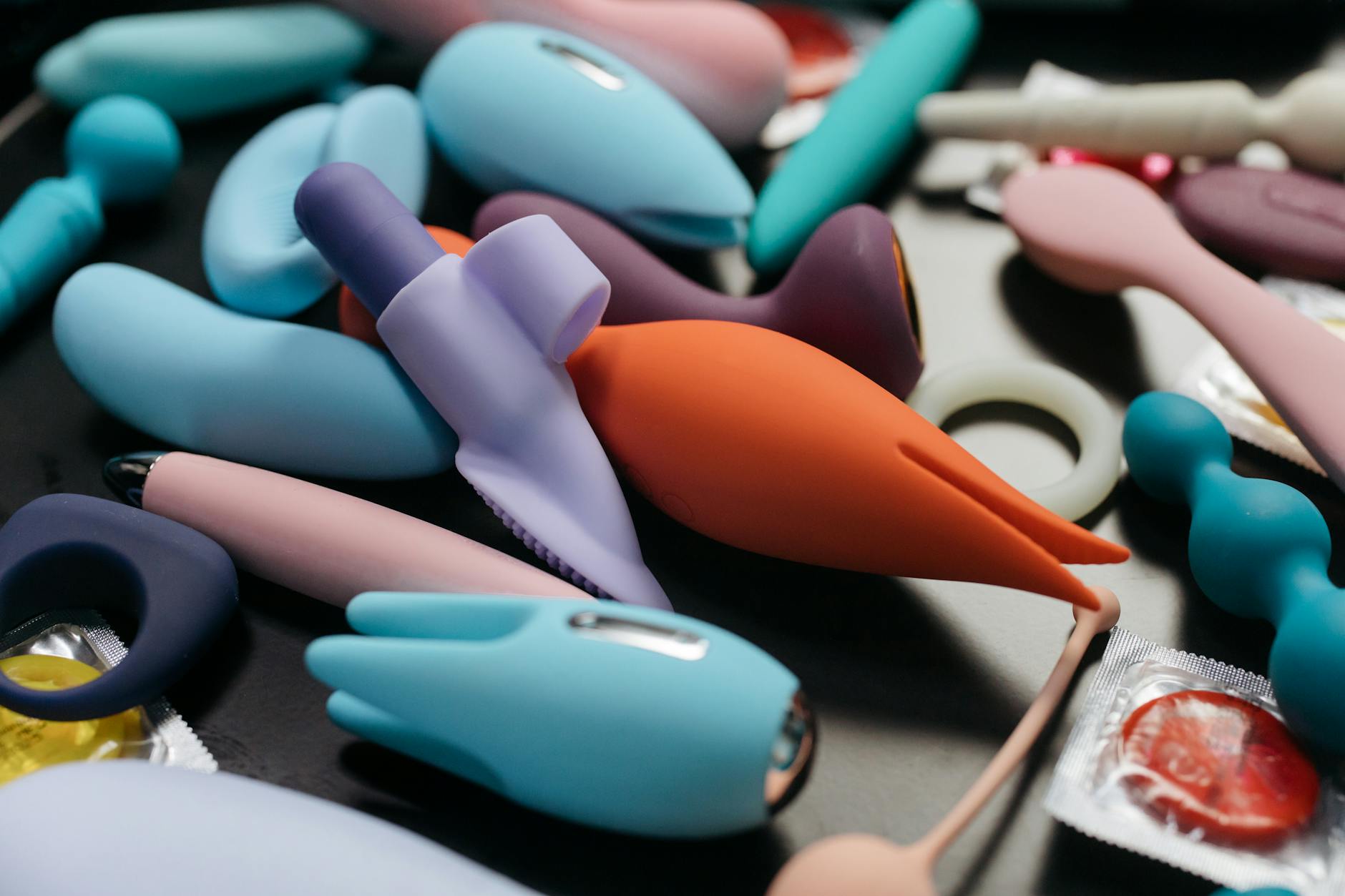
Photo by cottonbro studio on Pexels
One caveat: some people do react to silicone itself, even medical-grade. It's rare but not unheard of. If you've had reactions to silicone-based personal lubricants or makeup before, test carefully. More on that in a moment.
Why material finish matters as much as material itself
Here's something people miss: the texture of a toy's surface is part of its irritation profile.
Smooth finishes are gentler on reactive skin than textured ones. When a lemon vibrator or any clitoral vibrator has a matte finish or subtle texture, you're increasing friction slightly, which some people's skin finds irritating. A slick, polished finish reduces friction and feels softer on sensitive tissues.
Look for toys labeled "smooth" or described as having a "polished" finish. Most quality lemon clitoral vibrators have this by default, but it's worth confirming, especially if you're buying from unfamiliar brands.
Clean it the right way to avoid buildup reactions
Here's what happens with sensitive skin and toys: irritation often isn't from the material itself. It's from residue. Soap buildup, lube residue, dust, bacteria. Over time, this builds up and causes reactions that feel like they're from the toy when they're actually from accumulated gunk.
Clean your lemon vibrator properly between uses:
- Wash with fragrance-free, pH-balanced soap and warm water immediately after use. Not antibacterial soap. Just basic, clean soap.
- Rinse thoroughly. Water under running water for at least 20 seconds to remove all soap.
- Pat dry with a lint-free cloth (microfiber or cotton work well).
- Store in a breathable pouch, not an airtight case where moisture gets trapped.
Clean storage prevents mold, mildew, and bacterial growth that can trigger reactions. A breathable pouch lets your toy air out between uses.
Once a month, do a deeper clean: soak in warm water with a tiny bit of fragrance-free soap for five minutes, then scrub gently with a soft toothbrush (yes, really) to get into any crevices. Rinse extremely well and air dry completely before storing.
Lubrication is part of the material equation
If you use lubricant with your lemon vibrators, what you choose matters as much as the toy itself.
Silicone-based lubes work great with non-silicone toys but can degrade silicone toys over time. Water-based lubes are compatible with everything and break down more easily if residue gets trapped. Hybrid lubes sit in between.
If your skin reacts to lubes, fragrance-free water-based is your safest option. Avoid anything with glycerin, parabens, or added scent. Sliquid Naturals, System JO All-in-One, or basic unflavored personal lubricant from the drugstore (not flavored, not warming) work for most reactive skin types.
Apply lube to your skin, not the toy. Let it dry slightly before using your lemon sucker or vibrator. This prevents lube from getting trapped in seams or crevices where it can degrade or cause irritation.
Test new toys the right way if you have reactive skin
Don't just buy a lemon vibrator and dive in if your skin is reactive. Here's the testing protocol I recommend:
On day one, hold the toy against your inner wrist for two minutes. Your wrist skin is sensitive but tougher than genital tissue. If you get redness or itching, this toy probably isn't for you.
If day one passes, on day two, place it against the inside of your arm for five minutes. Again, watch for reactions.
If that's fine, on day three, you can try it externally (not inside) with just water, no lubricant, for a short session. Five minutes. No pressure. You're just seeing how your tissue reacts.
If you make it through three days with zero irritation, itching, or redness, you're likely good to go. Most reactions happen in the first 72 hours.
Talk to your dermatologist before ruling out silicone
If you've had mysterious reactions to silicone products before, get clarity before you buy. Not all silicone reactions are real allergies. Sometimes it's a coating, a fragrance, or a manufacturing residue.
A dermatologist can do patch testing to figure out what's actually triggering you. Then you can shop with actual data instead of guesses. This takes the anxiety out of buying and helps you find materials you know work.
Why Hello Nancy toys work for sensitive skin
I'll be direct: Hello Nancy makes lemon vibrators and lemon clitoral vibrators with medical-grade silicone, no phthalates, and a smooth polished finish. The Lem, their flagship lemon sucker, checks every box for reactive skin: hypoallergenic material, breathable storage bag included, and simple care instructions.
Is it an endorsement because I'm writing for the brand? Partly. But it's also true. If you're starting from scratch with reactive skin, starting with a toy designed with that in mind saves you from trial and error.
People also ask
Can I use lemon vibrators if I have eczema or psoriasis?
Yes, with care. Eczema and psoriasis flare-ups are usually triggered by irritants, not toy materials directly. The safest approach is to use toys only during non-flare periods and to follow the cleaning protocol described above. Avoid any fragrance in your lubricant, wash gently, and keep everything dry. If you're in an active flare, give your skin a break. Pleasure matters, but so does healing.
What if I'm allergic to latex but unsure about silicone?
Latex allergy doesn't automatically mean silicone allergy. They're different molecules. If you've reacted to latex, start with the wrist-test protocol above. Most people with latex allergies tolerate medical-grade silicone fine. The real concern is non-medical silicone or cheap manufacturing. Stick with verified brands.
Do I need to use a condom on my lemon vibrator?
If your skin is sensitive, no. Condoms themselves can irritate reactive skin, and adding a barrier to a medical-grade toy is usually unnecessary. Clean your toy properly, and it's as clean as any barrier. If you want the psychological comfort of a barrier, that's fine, but it's not required for hygiene.
Can sensitive skin get used to irritating toys over time?
No. Your skin doesn't build tolerance to irritants. If a toy irritates you in week one, it will irritate you in week 12. What sometimes happens is you get numb or desensitized, which feels like tolerance but is actually neurological shutdown. That's not a win. It's your body telling you to stop. Listen to it.
What's the difference between hypoallergenic and allergy-free?
Hypoallergenic means formulated to minimize allergic reactions. Allergy-free is marketing nonsense. No toy is allergy-free if someone has a specific sensitivity. Choose toys labeled hypoallergenic and test carefully. That's realistic protection.
Should I be worried about toy manufacturing residue?
Yes, but only if you're not washing before use. Manufacturing residue is usually dust, mold-release agents, or plasticizers. A thorough wash with warm water and soap removes all of it. Wash your toy right out of the box, every single time, even if it looks clean.
Sensitive skin is a detail, not a dealbreaker. The right lemon vibrator, approached with care, works beautifully for people with reactive skin. You deserve that.
If you have specific questions about materials, reactions, or what might work for your skin, reach out. Contact Hello Nancy here, and we can talk through your specific situation.