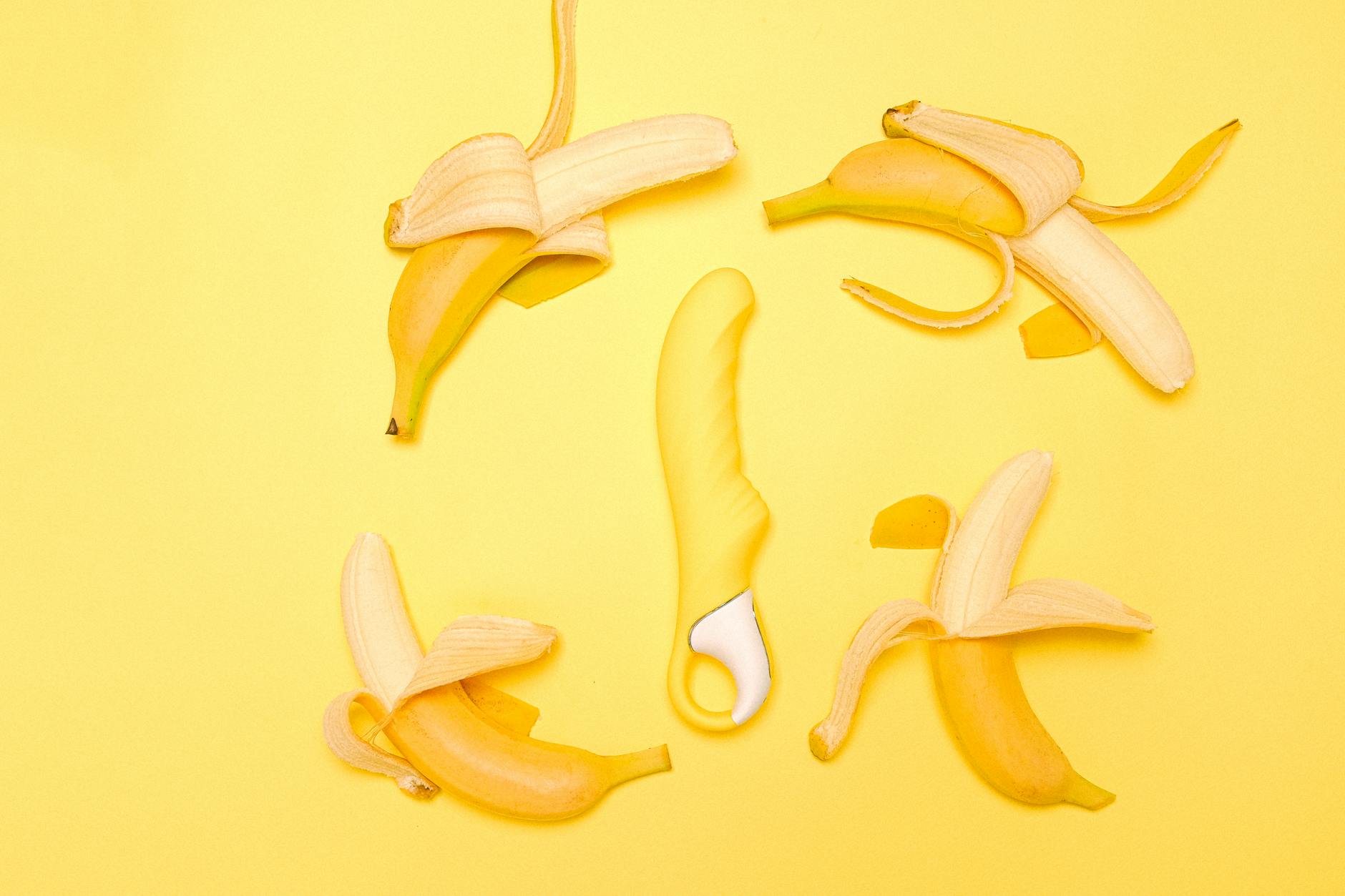
The anxiety-arousal trap is real, and it's not a character flaw
Let's be real. Anxiety is basically the opposite of arousal. When your nervous system is flooded with cortisol and adrenaline, your body isn't interested in relaxing into pleasure. It's interested in survival. You can't shift out of fight-or-flight directly through willpower, and you definitely can't do it by shaming yourself for not being in the mood.
Here's what actually happens: anxiety tightens everything. Your pelvic floor clenches, your breathing shallows, your clitoris becomes less responsive to touch because blood flow is redirected away from pleasure zones toward major muscle groups. It's not broken. It's working exactly as designed. The problem is the design is optimized for escaping a predator, not for intimacy.
Why lemon vibrators work better than willpower alone
A clitoral vibrator like the Lem doesn't require you to "relax into it." It creates stimulation that bypasses some of the thinking. Air-suction vibrators in particular work well here because they engage the clitoris through gentle pressure rather than direct friction. That means two things. First, they're less likely to trigger that "too much, too intense" shutdown response that anxiety can amplify. Second, they give your nervous system a clear, repeatable physical anchor.
Your brain is running a threat-detection loop. Introducing a focused, rhythmic sensation interrupts that loop. It's not a distraction. It's a redirect. You're essentially saying to your nervous system, "Look here. This is safe. This is pleasurable. Stay with this."
The pattern and consistency matter. Random touch can feel jarring when you're anxious. Consistent vibration settles you.
Step one: Grounding before you touch anything
If you're already in an anxious state, jumping straight to a vibrator won't work. Your body won't listen. You need to move your nervous system out of fight-or-flight first. This takes 5 to 15 minutes, not seconds.
Try the 5-4-3-2-1 technique. Name five things you can see. Four things you can physically feel (the couch beneath you, the air on your skin). Three things you can hear. Two things you can smell. One thing you can taste. It sounds silly. It works because it pulls your brain into the present moment and away from the threat narrative running in the background.
Alternatively, cold water on your wrists and face activates the vagus nerve and interrupts the anxiety loop fast. Just splash your face or hold your wrists under cold running water for 20 to 30 seconds. Your heart rate will slow. Your body will signal safety.
Deep breathing helps, but only if you do it right. Box breathing: breathe in for four counts, hold for four, exhale for four, hold for four. Repeat eight to ten times. The exhale should be slightly longer than the inhale. That signals parasympathetic activation. Short, choppy breathing keeps you stuck in the anxious state.
Step two: Set an intention that isn't about orgasm
When anxiety is present, orgasm pressure makes it worse. You're already stressed. Now you're also stressed about whether you'll finish. That's a setup for failure.
Instead, shift the goal. Your intention tonight is "to spend 20 minutes reconnecting with sensation." Not "to come." Not "to prove something works." Reconnection. That removes the pass-fail framework.
Say it out loud to yourself. Make it real. "Tonight I'm spending time with my body. That's the win."
Step three: Create friction-free privacy
Anxiety loves an audience, real or imagined. If you're worried about being interrupted, being judged, or someone hearing you, your nervous system is already partially activated. Lock the door. Put your phone in another room. Light a candle if that helps you feel grounded (the ritual matters, not the candle itself).
If you're with a partner, be explicit about what you need. "I want to spend some time exploring solo tonight because my anxiety has been high." A good partner respects that without taking it personally. If they push back or make you feel guilty, that's a separate problem worth addressing with someone like me in a therapy context. For now, your nervous system comes first.
Step four: Warm up longer than you think you need to
When anxiety has been playing in the background, your clitoris needs longer to wake up. Most pleasure-focused warm-up is about five to ten minutes. When anxiety is present, budget 15 to 25 minutes of low-pressure touch. A water-based lube helps everything slide better and removes friction friction that your already-tense body might interpret as pain.
Start with manual touch. No vibrator yet. Trace around the clitoris, not directly on it. Pay attention to what feels good. This isn't meditation, but it's close. You're training your brain to register pleasure signals instead of threat signals.
When you're ready (not when you think you "should" be ready), introduce the lemon vibrator on the lowest pattern. Start at the base or side of the clitoris, not the tip. Most clitorises become more receptive to direct contact as arousal builds. Jumping straight there when you're anxious can feel overwhelming.
Step five: Use patterns as a nervous system reset
Here's a specific technique that helps many of my clients. Use pattern one or two on your lemon vibrator (the gentler, rhythmic patterns) for two to three minutes. Then pause. Take three deep breaths. Notice what you're feeling. Then return to the vibrator. Repeat this cycle four or five times.
What you're doing is training your nervous system to recognize that sensation doesn't have to escalate. It can stay manageable. You can control the intensity. You can take breaks. That sense of control is antidote to anxiety.
If at any point the sensation feels like too much, stop. No shame. Your body is giving you information. Listen to it. Try again tomorrow or in a week. Progress isn't linear when anxiety is involved.
The partner conversation matters (a lot)
If you're in a relationship and anxiety is affecting your sex life together, this needs to be discussed outside the bedroom. When you're already trying to turn on, a bedroom conversation becomes another source of pressure.
Instead, sit down fully clothed, over tea or coffee, and say something like: "My anxiety has been making it hard to access arousal. I'm going to experiment with some solo techniques to rebuild that connection with my body. I'm not pulling away from you. I'm actually doing this so we can reconnect better." [Internal link to relevant post about reconnection]
A partner who loves you will understand. They'll also probably feel relief. Many people think they're the problem when arousal stalls. Naming anxiety as the culprit often lifts pressure off both of you.
When to bring in professional support
If anxiety is significantly disrupting your sex life and these techniques aren't shifting things after three to four weeks, talking to a therapist who specializes in anxiety and sexual function is worth considering. Cognitive behavioral therapy (CBT) is particularly effective for anxiety-driven arousal issues. It's not about your relationship. It's about retraining your threat-detection system.
Some people also benefit from short-term anti-anxiety medication during particularly stressful periods. That's a conversation for your doctor, not your vibrator brand. But it's worth having.
FAQ
Can a lemon clitoral vibrator actually help with anxiety-related arousal loss?
Not magic, no. But yes. A vibrator like the Lem provides consistent, non-judgmental stimulation that your nervous system can anchor onto. When anxiety is hijacking your arousal, that external input helps interrupt the threat loop. Paired with grounding techniques, it's genuinely useful. The key is using it as part of a bigger nervous system reset, not as a standalone fix.
How long does it take for lemon vibrators to feel good again after an anxious period?
Typically two to four weeks of regular (2 to 3 times weekly) practice. Your nervous system doesn't recalibrate overnight. But consistency matters more than intensity. Short, frequent sessions usually work better than rare, pressured marathon sessions.
Should I use a lemon vibrator alone or with a partner when anxiety is the issue?
Alone first. Get your own nervous system regulated and pleasure pathways rebuilt. Then invite a partner back in, if you have one. This removes the performance pressure and lets you focus on sensation. Once you've reestablished that connection solo, partnered use often feels much easier.
Is it normal for a lemon vibrator to feel uncomfortable when I'm anxious?
Completely normal. Anxiety makes you hypersensitive to external input. What normally feels good can feel irritating or overwhelming. That's not a failing. It's your nervous system telling you it's not ready yet. Back off the intensity. Use lower patterns. Take longer warm-up. Start with manual touch only and introduce the vibrator later.
Can anxiety medication affect how a lemon clitoral vibrator feels?
Some anti-anxiety meds can dull sensation or make orgasm harder to reach. If you're on a new medication and pleasure has changed, talk to your prescriber. Sometimes a dose adjustment or different timing helps. You might also need to adjust your warm-up time or vibrator intensity. [Internal link to antidepressant sensation post]
What if the anxiety comes back during use?
Stop. It's that simple. Your nervous system is telling you something. Breathe. Do the grounding technique again. Return to touch only, no vibrator. Or step away entirely and try again tomorrow. Forcing through anxiety while using a vibrator teaches your body that pleasure is something to push through, not something to enjoy. That's the opposite of what you want.
You deserve to feel good in your body again
Anxiety is a liar. It tells you that arousal is gone forever, that your body is broken, that pleasure is dangerous. None of that is true. Your nervous system is just in protection mode. With patience, the right tools (like a lemon vibrator), and consistent grounding work, you can return to sensation.
This isn't a quick fix. It's a rebuild. And rebuilds take time. But they work. You're not broken. You're just reorganizing.