Let's talk about the antidepressant trade-off nobody warns you about
Your brain is steadier. Your mood lifted weeks ago. You're sleeping better and the relentless loop finally stopped. And then you notice something else: it takes forever to come, or you don't come at all, or the sensation feels muffled, like you're experiencing pleasure through cotton.
This isn't failure. This is neurochemistry. SSRIs and SNRIs save lives and stabilize minds. They also quiet the dopamine and serotonin pathways that drive desire and sensation. About 40 to 60 percent of people taking antidepressants report sexual side effects. That's not rare. That's normal. And it's fixable.
How antidepressants actually change sensation
Antidepressants work by keeping serotonin in your brain longer. That's good for mood regulation. It's also, unfortunately, not great for arousal. Serotonin actually dampens sexual response in some people. Dopamine is what drives the want. Norepinephrine is what gives you the physical push toward climax. When serotonin stays high, those other two signals get quieter.
Tissue sensitivity doesn't necessarily drop. But the neurological chain reaction that builds toward orgasm gets slower. Your brain is less responsive to stimulation. Your body takes longer to escalate. The sensation of arousal itself might feel flatter, less urgent.
Here's what matters: this is reversible or manageable. It doesn't mean you're broken. It means your nervous system needs a different approach.
Why lemon vibrators work differently on medication
Traditional vibrators send predictable, buzzing signals to your clitoris. If your dopamine and norepinephrine pathways are muted, that familiar signal might not register strongly enough. The sensation gets lost.
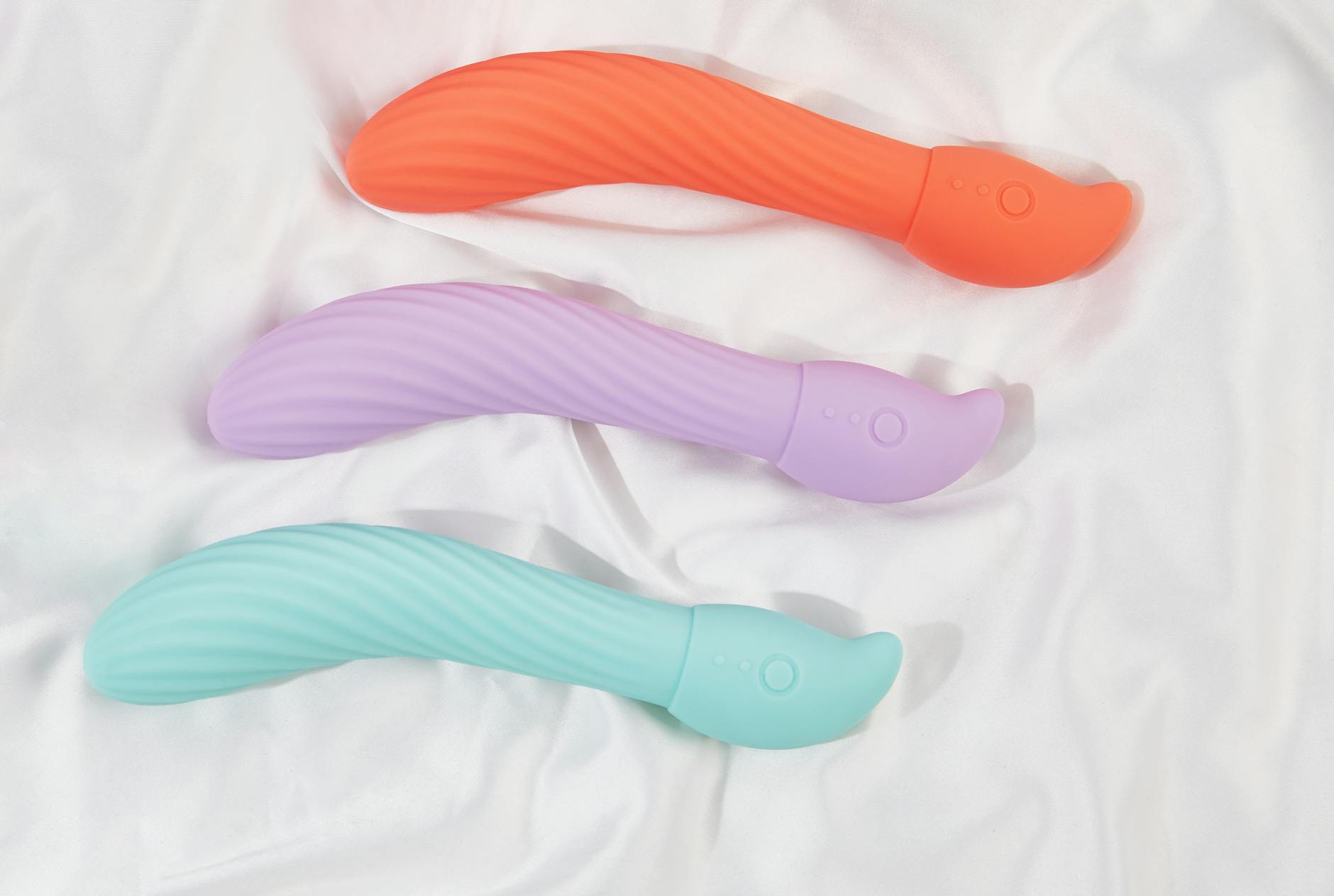
Lemon suction vibrators (like Hello Nancy's Lem) work by creating gentle pulsing suction instead of vibration. That changes which nerve pathways activate. Suction stimulates deeper nerve clusters in the clitoral tissue. It creates a sensation that's qualitatively different from buzzing. For people on SSRIs, that difference often means the signal gets through.
Many clients on antidepressants report that they can feel lemon clitoral vibrators more clearly than traditional vibrators. The stimulation feels more distinct, less like background noise.
The timing and dosing conversation
If you've been on antidepressants for less than two months, your body is still adjusting. Don't panic yet. Sexual side effects often improve after 8 to 12 weeks as your body adapts.
If you've been on them longer and things haven't shifted, talk to your prescriber. There are real options. Lowering the dose slightly, switching to a different class (bupropion, for example, has fewer sexual side effects), or timing your medication differently (taking it right after sex instead of before) can all help. These are legitimate medical conversations. Your doctor has had them a hundred times.
Don't stop your medication to get your libido back. That's trading one problem for a bigger one.
How to use lemon vibrators when your response is slower
If it takes you 20 or 40 minutes to reach climax on antidepressants, that's your new baseline. Accepting that changes everything.
Start with lower intensity. On a lemon vibrator, begin at pattern 1 or 2. Give it at least five minutes before moving up. Your nervous system needs more time to register the signal. Rushing to higher intensity won't speed it up. It'll just numb you faster.
Use moisture intentionally. Water-based lubricant reduces friction and lets the suction work more effectively. It also makes longer sessions more comfortable. You're looking at extended time here, so reduce any micro-irritation upfront.
Layer in fantasy or external focus. If direct clitoral stimulation feels underwhelming, you need more input to your brain. Audiobooks designed for arousal (there are quality ones), written erotica, a partner's voice, or focused fantasy can activate dopamine in parallel with the physical sensation. You're essentially multithreading pleasure.
Rest between sessions. If you're pushing for 45 minutes and it's not happening, stop. Come back tomorrow or in a few days. Exhaustion and frustration will only deepen the numbness.
When medication timing matters
SSRIs hit peak concentration in your bloodstream 4 to 8 hours after you take them. If you take your antidepressant in the morning, your serotonin is highest in the afternoon and evening. Some people find pleasure is slightly more accessible first thing in the morning, before the medication peaks.
This isn't always practical or sustainable, but if you're experimenting, try solo exploration at different times of day. You might find a window where sensation feels more available.
Sex with a partner when desire is dampened
Antidepressant-related numbness doesn't mean you don't love your partner. It means your body needs different signaling. If you're in a relationship, this conversation matters.
Explain it plainly: "My medication saved my life. It's also slowing my arousal. I'm not less attracted to you. My nervous system is just quieter." That distinction keeps resentment and blame out of the bedroom.
Sex becomes less about spontaneous desire and more about intentional exploration. That sounds like a downgrade but often it's an upgrade. You're not waiting for lightning. You're building something steadily. Couples exploring lemon vibrators together often report that the focused attention and slower pace deepens intimacy.
A partner can use a lemon clitoral vibrator on you while you focus entirely on your own sensation. They get to watch and participate without needing to perform. You get sustained, consistent stimulation without exertion. That's often better than penetrative sex when your dopamine is quiet.
The patience piece nobody mentions
Rebounding from antidepressant sexual side effects isn't fast. It's not linear. You might have a breakthrough session where everything works, then three sessions where nothing does. Your nervous system is slowly recalibrating its dopamine and norepinephrine sensitivity. That takes weeks to months.
If you're six months in and still seeing zero improvement, loop back with your doctor. A medication adjustment might be necessary. That's not failure. That's listening to your body and advocating for what you need.
When to consider medication adjustments
If sexual function is meaningful to you (and it's okay if it is), you deserve a medication that works for both your mood and your pleasure. Options include switching to bupropion or another antidepressant class with lower sexual side effects, adding a low-dose medication that counteracts the sexual effects, or timing adjustments that let your serotonin dip slightly at certain times of day.
These conversations feel vulnerable. They're worth having.
The real permission you need
Using a lemon suction vibrator to rebuild pleasure after antidepressants isn't lazy or inadequate. It's smart neurochemistry. You're using a tool designed to activate the neural pathways your medication quieted. That's not a workaround. That's medicine meeting pleasure.
Your antidepressant gave you your life back. The lemon vibrator gives you that life back with sensation in it. Both belong to your healing.