Let's be honest about shift work and sex
One of you crawls into bed at 6 a.m. The other is leaving for the night shift at 7 p.m. By the time you're both conscious and in the same room, you're usually too tired to want anything beyond sleep. This is the reality for nurses, pilots, retail managers, warehouse workers, and anyone else whose schedule doesn't run on banker's hours. Opposite shifts don't just steal sleep. They steal intimacy.
The temptation is to wait for a day off, to promise yourself that you'll "get back to it" when schedules align. But waiting creates distance. Resentment builds quietly. And desire gets rerouted into a box labeled "I'll deal with that later." The box gets dustier.
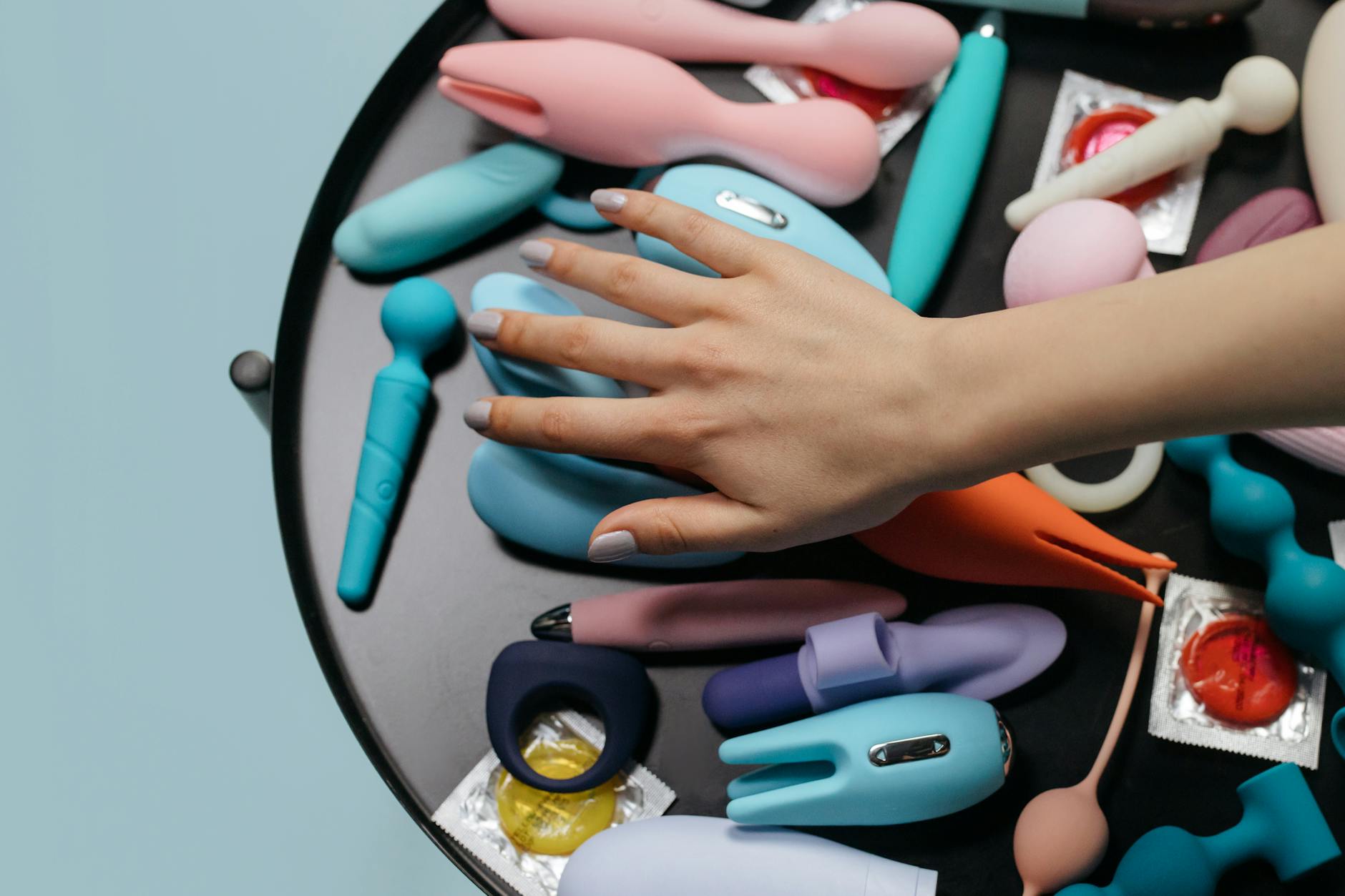
Here's the thing: lemon vibrators change this equation. They're designed for solo pleasure that feels connected rather than lonely. They're fast enough to work within the actual time you have. And they're restorative in a way that preserves intimacy even when you're living like roommates.
Why traditional sex fails on opposite shifts
Mismatched schedules don't just create a logistics problem. They create a desire problem. Your body has circadian rhythms. When you're alert, your partner is crashing. When your partner wakes up, you're minutes away from clocking in somewhere. Over time, you stop even initiating because rejection feels inevitable. The rejection itself becomes traumatic in a weird, quiet way.
Partners working opposite shifts report lower sexual satisfaction not because they want less sex, but because the conditions for spontaneous arousal disappear. Foreplay takes 20 to 30 minutes when you're both present. You don't have 30 minutes. You have maybe 10, and spending all of it on foreplay that doesn't lead anywhere feels worse than not trying at all.
Add in the fact that fatigue is a genuine arousal killer. Your brain needs a certain amount of fuel to move toward pleasure. Exhaustion uses all that fuel just to stay functional.
How lemon clitoral vibrators solve this
A lemon vibrator works differently from a traditional vibrator because it uses suction instead of straight vibration. This means arousal builds faster. You're not spending 20 minutes ramping up. You're spending 5 to 8 minutes. That's the difference between "we don't have time" and "we can actually do this."
The second advantage is less obvious: using a lemon vibrator solo while your partner is home feels more connected than you'd expect. You're not hiding. You're not pretending you don't need pleasure. You're acknowledging it openly, in the same room, maybe with your partner present or touching you or just there. This small shift prevents the shame spiral that usually happens when partners are on opposite schedules.
Third, a quality lemon clitoral vibrator like the Lem is quiet enough that you can use it without waking your sleeping partner, but the sensation is concentrated enough that you don't need to use it for 30 minutes to reach orgasm. You're looking at 8 to 12 minutes if you're already somewhat aroused, even less if you're coming off a stressful shift and your body is ready to release.
The three-shift schedule approach
Instead of waiting for mutual availability, think of pleasure in three buckets: solo, partnered, and connected-but-solo.
Bucket one: solo with presence. You're using your lemon vibrator while your partner is home, maybe in the same room, maybe in the adjacent room with the door open. The point is they know it's happening. There's no secrecy. This takes 10 to 15 minutes and keeps your arousal pathways active. Your body remembers what pleasure feels like. Your nervous system doesn't enter the "sex is off the table" state that happens after months of no touch.
Bucket two: genuinely partnered sex. This happens maybe once a week or twice a week, depending on schedules. You plan it. You protect that time. You're both somewhat rested. This is where deeper intimacy lives. This is not rushed. Use your vibrator as part of foreplay or during sex itself. Your partner can use it on you, or you can use it while they're inside you, or they can watch. The point is you're both present and consenting to the exact same thing.
Bucket three: connected-but-solo. Your partner is at work. You use your lemon vibrator. You maybe send them a text afterward saying "I just had an orgasm and thought of you." This keeps the erotic channel open even when you're physically apart. It's not a substitute for partnered sex. It's a way of saying "I'm still here, still wanting, still thinking about us."
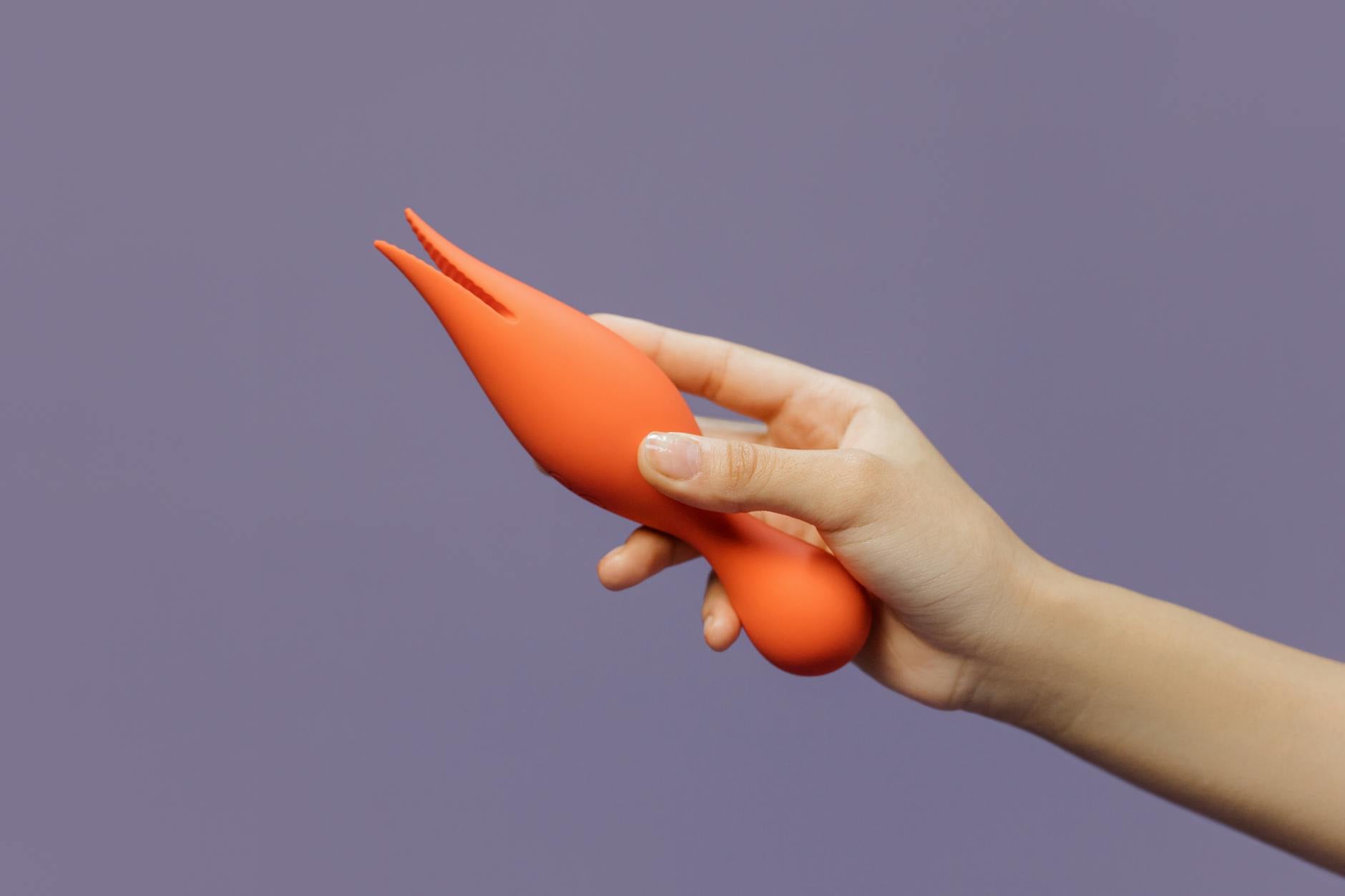
Photo by cottonbro studio on Pexels
Practical setup for opposite shifts
Here's what I recommend to couples navigating this:
Location matters. Keep your lemon vibrator somewhere accessible from your sleep space. Not hidden. Not shameful. Right there. If shame is attached to it, that shame will follow you into pleasure. You want the vibrator to feel as normal as your toothbrush.
Timing matters. If you sleep during the day and work nights, use your vibrator either right before bed (as a way to decompress) or right after waking (as a way to energize). You're not adding complexity to your schedule. You're replacing scrolling or coffee with intentional pleasure.
Communication matters. Tell your partner when you're planning to use your vibrator. Not in a transactional way, but in a connected way. "I'm going to use my lemon vibrator before I sleep. Want to watch or just stay close?" Some nights they will. Some nights they'll be passed out already. Both are fine.
Speed matters. Lemon clitoral vibrators are faster than traditional toys because the sensation is concentrated. You're not working your way through patterns and intensities for 20 minutes. You're finding the pattern that works, staying there, and riding it for a few minutes. This is not about chasing the biggest orgasm. It's about reaching one efficiently so you can feel restored before you leave for work or fall asleep.
When to use it with your partner present
There are a few scenarios where using a lemon vibrator with your partner in the room actually strengthens connection instead of replacing it.
Right after you've both woken up. You have 15 minutes before one of you leaves. Instead of trying to fit in partnered sex, you use your vibrator while your partner watches or touches you or just sits with you. This reminds both of you that pleasure still exists. It's quick. It's satisfying. It sets a different tone for the day.
On your partner's day off, but you're exhausted. They want sex. Your body wants sleep. Compromise: you use your lemon clitoral vibrator while they hold you or watch or penetrate you slowly without the pressure to perform. Everyone gets something. No one feels rejected.
As foreplay when time is tight. You use your vibrator for 8 minutes until you're close to orgasm, then your partner joins. You're already aroused. You don't need 30 minutes of buildup. You both get to feel wanted and connected.
The emotional piece nobody mentions
Using a lemon vibrator solo while your partner works nights feels vulnerable. It can feel like admitting that partnered sex isn't enough. That's normal. That's not true.
Here's what's actually happening: you're choosing your own pleasure over the fantasy that intimacy only counts when it's partnered. You're saying "I deserve to feel good, and I'm not going to wait for perfect conditions that might not come." Your partner seeing this, or knowing about it, often makes them want you more, not less.
It also prevents the resentment that comes from months of no physical release. When you reach orgasm regularly, even solo, your nervous system stays in a place where partnership feels possible. You're not angry at your partner for working nights. You're not angry at yourself for having needs. You're just functional and pleased.
FAQ: lemon vibrators and shift work
Can using a lemon vibrator make me want partnered sex less?
No. Actually, the opposite is more common. When you're sexually satisfied, you want more sex, not less. The women who avoid solo pleasure because they feel guilty are the ones who lose desire altogether. Permission and pleasure are directly connected.
How often should I use my lemon vibrator if my partner works nights?
As often as you want. Some women use it daily. Some use it twice a week. There's no "too much." The only time it becomes a concern is if you're using it as a complete replacement for partnership, which defeats the purpose of having a partner. But lemon vibrators don't cause sensation numbness the way some older technologies do. You're not damaging anything.
What if my partner feels threatened by my vibrator?
That's worth a conversation before it becomes a bigger problem. Explain that you're using it to stay connected to your own pleasure, not to replace them. If they're working nights and you're using your vibrator during the day, you're not choosing it over partnered sex. You're choosing it over waiting in a state of perpetual unsatisfied desire. That's healthy. If they can't see that, couples therapy is worth the investment.
Should I use a lemon vibrator if we haven't had sex in months because of the schedule?
Yes. Absolutely yes. You're reestablishing connection to your own body. You're also sending a signal to your partner that desire is still alive, which can actually motivate them to prioritize intimacy when they do have time. Waiting passively for your partner to have energy for sex almost never works. Taking responsibility for your own pleasure often does.
Can my partner use my lemon vibrator on me if they prefer that?
Completely. Many partners love using lemon vibrators on their partner. It's faster than traditional foreplay, so even on a tight schedule, they can bring you to orgasm while also feeling present and active. No rules here. Whatever works for both of you is what's right.
What if I'm too tired even for 10 minutes of solo pleasure?
Then you're probably too tired for anything. Rest matters. But on the days when you're not completely depleted, using your vibrator for 8 to 10 minutes is often energizing rather than draining. It's not adding to your fatigue. It's converting stress into release. After, you usually feel clearer, more present, less resentful about the schedule.
The bottom line
Opposite shifts are hard. They're a genuine structural problem with the time and energy you have available for intimacy. But they don't have to mean the end of pleasure or connection. A lemon clitoral vibrator acknowledges that you're tired and still deserves to feel good. It's fast enough to fit into real life. It's restorative enough to keep you sane. And when used openly, it actually strengthens partnership rather than threatening it. Your pleasure matters even when your partner is asleep. Your body deserves attention even on nights when partnered sex isn't logistically possible. That's not settling. That's surviving shift work with your desire intact.
If you'd like to talk through how to introduce this conversation with your partner, or if you have questions about how lemon vibrators work, reach out. That's what we're here for.