You've been using the same toy the same way for months, or maybe years. One day you realize you need more pressure, more speed, more intensity just to feel anything at all. Then one day you realize you can't feel it at all. That panic is real, and it's also completely reversible.
Clitoral desensitization happens for three reasons: mechanical (too much repetitive friction), neurological (your nervous system literally adapts to constant input), or psychological (anxiety, distraction, or disconnection from your body). The good news? Lemon vibrators are specifically designed to interrupt this cycle because they work differently than traditional vibrators.
Your clitoris has roughly 8,000 nerve endings packed into an incredibly small area. When you apply the same pressure, the same pattern, and the same rhythm repeatedly, your nervous system stops registering it as novel stimulation. It's like wearing a scratchy sweater. The first hour you feel it everywhere. By hour six, you barely notice it exists.
Add anxiety on top of that, and your nervous system essentially says "never mind" and shuts down sensation entirely. You're not broken. Your body is protecting itself from overstimulation it perceives as threatening.
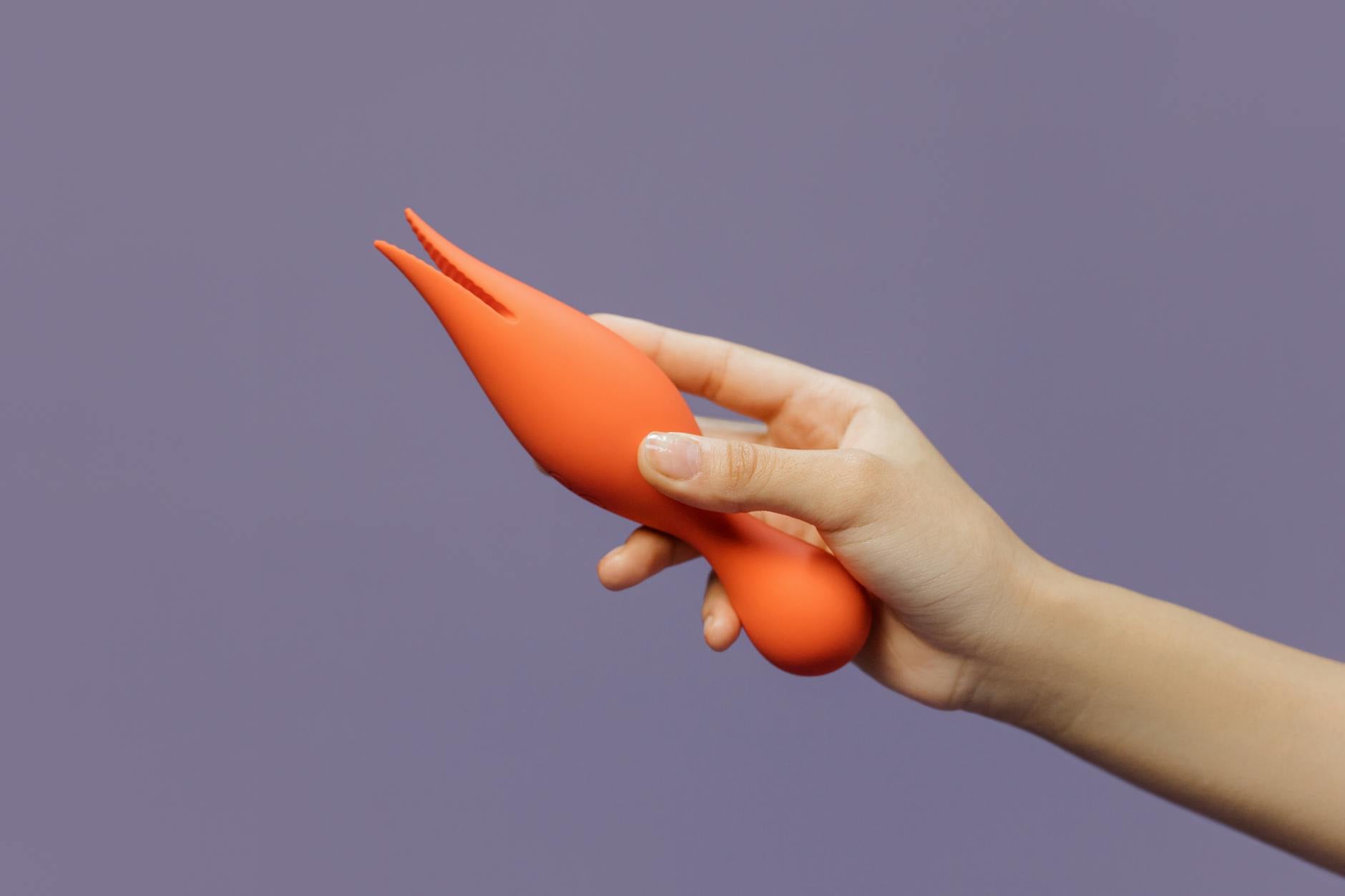
Lemon vibrators use suction and gentle pulsing instead of high-frequency vibration. This means you're stimulating different nerve clusters and triggering a different neurological pathway. You're not asking your numb nerve endings to suddenly wake up. You're building a fresh conversation with your nervous system.
If you've been using traditional vibrators heavily, start by taking a break. Two weeks is ideal. I know that sounds dramatic, but it genuinely helps. Your nervous system needs time to reset.
When you come back to a lemon vibrator, start at the lowest setting. This is not the time to test your tolerance. You're retraining sensation, not proving endurance. Use it for five to seven minutes, three times a week. That's it.
The key difference with lemon clitoral vibrators is that suction creates a seal around the clitoris, which means the stimulation is more localized and less reliant on you having perfect baseline sensitivity. The physical pressure does some of the work your numb nerve endings can't do yet.
Day one to day three: probably still numb. Day four to seven: you might start feeling sensations you haven't felt in months, often described as tingling or a slight pulse. That's good. That's your nerve endings waking up.
Don't jump to intensity. Don't add a second session that same day. Your nervous system is fragile right now. Consistency at low intensity beats sporadic high intensity every single time.
By week two, most people report that sensation is returning, often in waves. Some days feel more responsive than others. That's completely normal. Keep the same pattern.
After three weeks, you can experiment gently with slightly higher settings. But here's the rule: if you notice sensation fading again, drop back down immediately. You're not "losing progress." You're preventing a relapse.
Mechanical numbness is one thing. Psychological numbness is another. If you've been experiencing anxiety during intimacy, disconnection from your partner, or stress about performance, your body's numbness might be the nervous system's way of protecting you.
In my practice, I see this often. Someone will come in convinced they need a stronger toy when what they actually need is to address what's making them anxious in the first place. A lemon vibrator can help because the suction sensation is genuinely different and can help interrupt the anxiety loop. But the suction alone isn't the full answer.
If your numbness started around the same time as relationship tension, a job crisis, or grief, address that alongside the physical reset. Talk to your partner. See a therapist if you need to. Your body isn't malfunctioning. It's telling you something.
Traditional vibrators work through high-frequency oscillation, usually 7,000 to 10,000 vibrations per minute. If your clitoris has adapted to that pattern, your nerve endings genuinely stop registering it. It's like elevator music. You stop hearing it.
Lemon vibrators use a suction-and-pulse pattern instead. Think of it like the difference between someone tapping your shoulder repeatedly versus someone gently squeezing and releasing. Your nervous system recognizes it as completely new input, which means your desensitized nerve endings don't have an established "ignore" program for it.
That novelty is therapeutic. It forces your nervous system to pay attention again, which means sensation returns faster than it would if you just swapped to a different traditional vibrator.
When people realize they're losing sensation, their instinct is usually to crank everything up. Stronger vibrations, longer sessions, harder pressure. This almost always makes it worse because you're essentially doubling down on the same desensitizing pattern.
Your brain interprets increased intensity as "this input is still not getting through," which signals your nervous system to adapt further. It's a spiral. The only way out is genuinely lower intensity, longer breaks, and a different type of stimulation altogether.
If you've been using a traditional vibrator for two years straight at high intensity, moving to a lemon clitoral vibrator at low intensity might feel underwhelming at first. That's actually a sign it's working. You're asking your body to slow down and actually feel again.
Week one: tingling sensations you haven't felt in months. This often shows up as a buzzing that feels almost electric, different from the buzz you were numb to before.
Week two to three: the ability to distinguish between different patterns. Where everything felt the same before, you can now feel differences between, say, pattern one and pattern two on the lemon vibrator.
Week three to four: actual pleasure returning, not just sensation. There's a difference between feeling something and enjoying it. When pleasure comes back, you'll know.
Month two: the ability to orgasm again, often with less effort than you needed before the numbness started. Your nervous system has essentially learned a new pathway, which means it's actually more efficient.
If you've been following this protocol for six weeks and nothing has shifted, get checked by a doctor. Persistent clitoral numbness can occasionally indicate a nerve issue, diabetes, or medication side effects that need professional attention.
If your numbness is paired with pain, burning, or itching, that's a different issue entirely. That's not desensitization. That's genitourinary syndrome or a skin condition, and it needs medical evaluation.
But if it's pure numbness without pain, and you're willing to reset your habits, lemon vibrators combined with time and lower intensity will almost always restore sensation.
Clitoral numbness is often a sign that you've been on autopilot with your pleasure. Not in a judgment way. In a "your nervous system adapts to everything" way. It's actually how we're built to survive.
The antidote is intentionality. That means choosing a tool like a lemon vibrator that genuinely feels different. It means setting a schedule and sticking to it instead of using sex or toys as a form of stress relief whenever. It means paying attention to what your body is actually feeling instead of performing what you think you should feel.
Your clitoris isn't broken. Your pleasure isn't gone. You just need to remember how to listen.
Most people see significant improvement within three to four weeks of consistent low-intensity use. Full sensation often takes six to eight weeks. But individual timelines vary based on how long the numbness lasted and whether there's also psychological anxiety involved. The key is patience and consistency, not intensity.
No. If you use your old vibrator at all during the reset period, you're essentially starting the numbness cycle over again. Your nervous system doesn't know the difference between "yesterday I used the old one" and "today I'm using the new one." Pick one tool and commit to it for at least four weeks.
First, check that you're actually starting at the lowest setting and keeping sessions to five to seven minutes. People often underestimate how low "low" needs to be. If you're genuinely at the absolute minimum and numbness persists past four weeks, consult a doctor. Persistent numbness can indicate hormonal shifts, medication side effects, or nerve issues that need professional evaluation.
No. I've worked with people who had numbness for five, ten, even fifteen years who fully regained sensation within two to three months using a different approach. Your nervous system is incredibly plastic. It adapts quickly, which is why you got numb in the first place. The same plasticity that caused the problem can fix it, but you have to change the input completely.
Absolutely. Performance anxiety, body image anxiety, or even general life stress can trigger the nervous system to shut down sensation in the genital area. Lemon vibrators can help interrupt that pattern because the suction sensation is novel and can pull you out of the anxiety spiral. But combine it with stress management, mindfulness, or therapy if anxiety is the root cause.
No. If anything, the opposite happens. By resetting with a lemon vibrator, you're teaching your nervous system to recognize novel sensations again. Once sensation is restored, your nervous system is actually more responsive overall, which means traditional vibrators will feel different too. You've essentially reset your baseline.
Clitoral numbness feels like a dead end, but it's really just a signal that your body needs a different approach. Lemon vibrators work because they interrupt the cycle that caused the numbness in the first place. They're not a magic fix. They're a tool that works when paired with patience, consistency, and genuine rest.
Your pleasure matters. Your body's feedback matters. If you've been chasing sensation and coming up empty, it's time to stop chasing and start listening instead.
Questions about how to use a lemon vibrator for your specific situation? We're here to help. Reach out anytime at /contact.