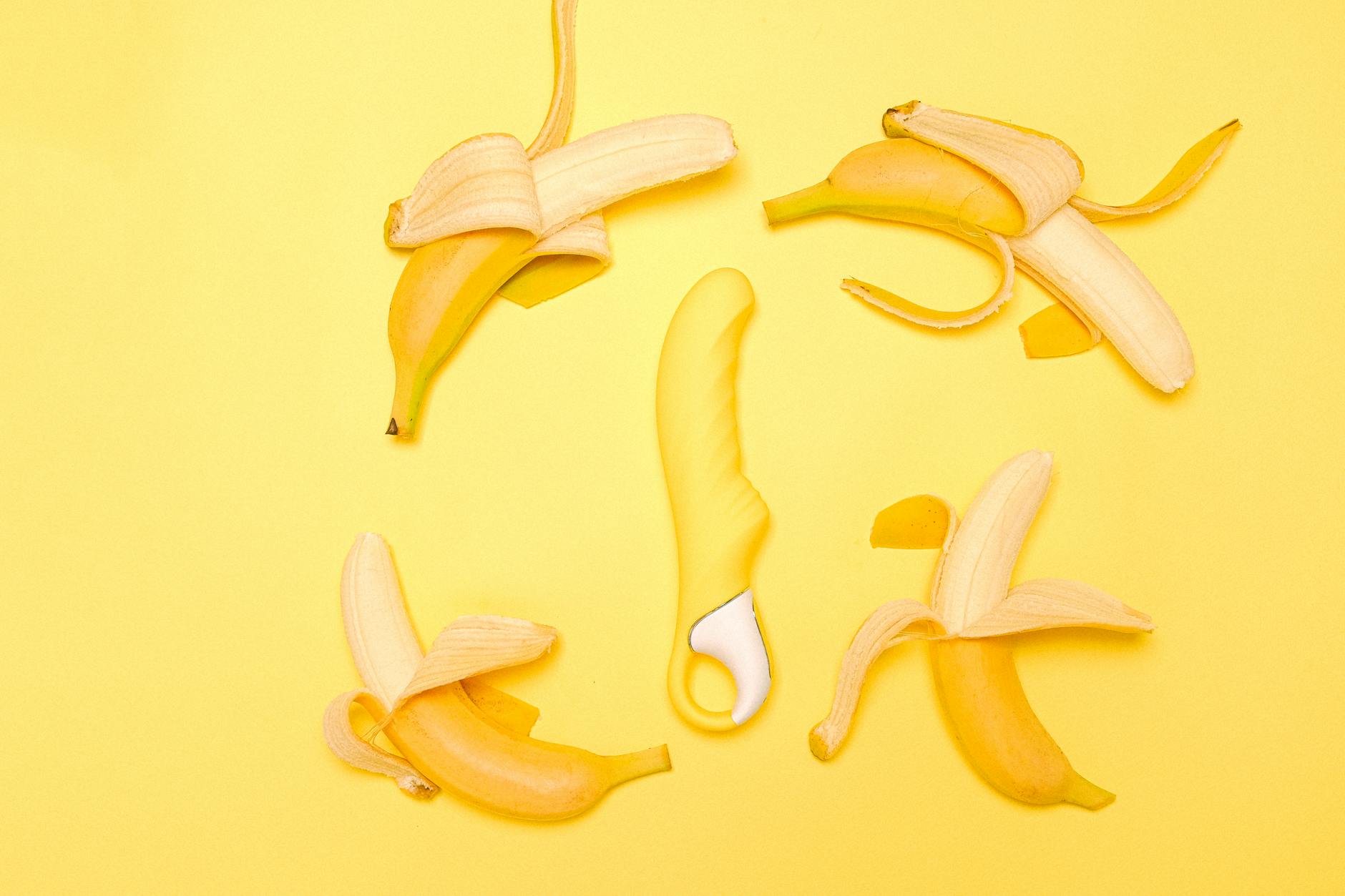
Here's what nobody tells you about your clitoris
Your clitoral sensitivity isn't static. It shifts. Some weeks direct contact feels incredible. Other weeks the same pressure makes you flinch. You're not imagining it, and you're not broken. Your cycle is literally changing how your clitoris responds to stimulation.
This matters because most people treat their lemon vibrator (or any clitoral vibrator, really) like a one-setting device. Grab it, turn it on to the same intensity, expect the same result. When sensation varies, they assume something's wrong instead of realizing their body is giving them useful information about what it needs right now.
The hormonal shift behind fluctuating sensation
Estrogen and testosterone create a rhythm in your body. Both hormones fluctuate across your cycle, and both directly affect blood flow to your clitoris, nerve sensitivity, and how quickly arousal builds.
In the follicular phase (roughly days 1-13, starting from the first day of your period), estrogen is rising. Your clitoris becomes more engorged with blood, tissue becomes more responsive, and you often feel more sensation generally. This is often when direct vibration feels amazing.
Around ovulation (day 14 or so), both estrogen and testosterone peak. This is frequently when sensation feels most intense and pleasure builds fastest. Some people report their strongest orgasms happen during this window.
In the luteal phase (days 15-28), both hormones drop. Progesterone rises. Your clitoris has less blood flow, tissues are less swollen, and direct stimulation can feel too intense. This is when gentler, broader pressure often feels better than sharp vibration.
Then menstruation arrives, and the cycle resets.
Week 1: Menstruation (variable but often sensitive)
During your period, clitoral sensation can go either direction. Some people find their clitoris feels incredibly sensitive and responsive. Others find it prefers softer touch.
Here's what I recommend: start low. Use patterns 1 or 2 on your lemon vibrator (if yours has multiple settings), and let your body tell you if it wants more intensity. You might find that suction-based stimulation feels better than traditional vibration during this phase. The lemon's air-pulse technology can feel less abrasive than a straight vibrator when your clitoris is tender.
If penetration feels uncomfortable due to cramping or flow, solo clitoral play with your lemon vibrator can actually feel grounding and help ease tension. There's no rule against it, and many people find it helpful.
Week 2: Follicular phase (the responsive window)
This is when your clitoris typically wakes up. Estrogen is climbing, blood flow increases, and most people report heightened sensitivity in a good way. Your clitoris feels fuller, more available, more ready to play.
This is the sweet spot for experimenting with higher-intensity settings on your lemon vibrator. Try patterns 4-6 if you have them. Try longer sessions (15-20 minutes instead of 5-10). Try exploring different angles and pressures. Your body is primed to feel nuance.
If you're partnered, this is often when people feel most responsive to partnered sex, too. Solo play and partnered play can both feel more satisfying this week. That's not coincidence. It's neurobiology.
Week 3: Ovulation and the peak (maximum intensity)
Right around ovulation, testosterone spikes along with estrogen. This is neurologically the most sensation-rich week of your cycle for most people. Your clitoris is maximally engorged, arousal builds fastest, and orgasms often feel strongest.
This is when you can experiment with the most intense settings on your lemon vibrator without worry. Try pattern 7 or 8. Try longer, faster strokes. This is also a good time to try techniques you've been curious about but hesitant to attempt, because your body has the built-in capacity to feel and respond.
One thing I notice clinically: people often feel more confident, more willing to ask for what they want from partners, and more focused on their own pleasure during this window. That's the testosterone talking. Use it. Your pleasure matters, and this is the week your body is literally telling you to prioritize it.
Week 4: Luteal phase (the adjustment week)
After ovulation, progesterone rises and both estrogen and testosterone drop. Your clitoris has less blood flow. Tissues that felt swollen now feel more neutral or even tender. Direct vibration can feel too intense.
Here's where I see people get frustrated with their lemon vibrator. They use the same intensity they used week 2, and suddenly it feels jarring or uncomfortable. Then they assume something's wrong with the toy. Usually what's happening is your body has moved into a different phase and needs a different approach.
Switch to lower settings (patterns 1-3). Try broader pressure instead of pinpointed vibration. The lemon's wider suction head can work better than a narrower vibrator during this phase because it distributes stimulation across a wider area instead of concentrating it on the clitoral glans.
You might also find that arousal takes longer to build. Budget more warm-up time. Less direct clitoral play and more teasing, indirect touch often feels better. Think of it as recalibrating to your body's actual needs instead of forcing the same technique that worked last week.
Tracking what actually works for you
The best tool is simple: pay attention. Not obsessively, but genuinely. Notice which week using your lemon vibrator feels amazing and which week it feels meh. Notice when you crave higher intensity and when you prefer softer pressure.
You don't need an app unless you want one. You can just notice: "Week 2 I'm turning it to 6, week 4 I'm using 2." That's data. That's your cycle.
Some people find their cycle-based sensation shifts are subtle. Others find them dramatic. Both are normal. There's no "correct" amount of variation. What matters is that you're adapting to what you actually need instead of white-knuckling through a technique that isn't working this week.
Partners benefit from this too. If you're partnered, knowing roughly which week your clitoris prefers lighter touch and which week it wants more intensity helps you sync better. You're not guessing. You're informed. That's everything in a good sexual relationship.
When sensation shifts for other reasons
Cycle-based variation is one thing. But sensation also fluctuates based on stress, antidepressants, hormonal birth control, medical conditions, and relationship dynamics. If your sensation shifts stay within a predictable cycle pattern, you're likely tracking normal hormonal fluctuation.
If sensation is consistently flat or numb across all weeks, or if it changes suddenly and doesn't follow a cycle, check in with your doctor. That's different data and might point to something worth investigating.
Same if pain appears. Discomfort during pleasure should never be normalized. That's information your body is sending. Listen to it.
Why this matters for your relationship with pleasure
Here's the thing I see most often in my practice: people (especially women and people with cycles) spend years using the same technique, at the same intensity, expecting the same result, and then assuming their pleasure is failing. When really, they're just ignoring the dynamic, responsive system their body actually is.
Your cycle is not a limitation. It's data. Your clitoris isn't breaking down throughout the month. It's communicating. The lemon vibrator is a tool that works with that communication, not against it. When you learn to shift your approach based on what week you're in, pleasure becomes easier, more reliable, and often more satisfying.
You're not trying to feel the same way all month. You're trying to feel genuinely good based on where your body actually is. That's the shift that changes everything.
FAQ: Cycle-based clitoral sensitivity and lemon vibrators
Why does my clitoris feel numb during my period?
Numbing during menstruation can happen for several reasons. Progesterone is still present early in your period, so sensation might still be muted. Blood loss can also reduce overall energy and circulation, which affects nerve sensitivity. Cramps can distract your brain from pleasure signals. None of this is permanent. Usually by day 3 or 4, as bleeding decreases and hormones shift, sensation returns. If you're interested in clitoral play during your period, start with lower settings on your lemon vibrator and see what your body prefers.
Can I use my lemon vibrator if I'm on hormonal birth control?
Absolutely. Hormonal birth control still creates hormonal rhythms, they're just flattened compared to a natural cycle. You might notice less dramatic swings in sensation, but shifts still happen. Pay attention to how you feel week to week on your pill or patch, and adjust your lemon vibrator settings accordingly. Some people on birth control find sensation is consistently muted compared to their pre-pill experience. If that's you, lower settings and longer warm-up time usually help.
Is it normal for my clitoris to feel too sensitive to touch one week and barely responsive the next?
Completely normal. That's your cycle working as designed. Estrogen and testosterone create this responsiveness curve. One week your clitoris is engorged and primed for sensation. The next week it's less swollen and prefers gentler approach. Both are healthy versions of your clitoris. The goal isn't to feel the same all month. It's to feel genuinely good by matching your approach to your actual state.
Should I avoid using my lemon vibrator during my luteal phase if it feels uncomfortable?
Not necessarily. You might just need to adjust settings and approach. Use a lower intensity setting. Try using your lemon vibrator with more lubricant. Spend more time on indirect or external stimulation before direct clitoral contact. Some people find the luteal phase is actually a deeper, more emotionally connected pleasure phase, not a lesser one. Just different. Experiment and see.
Can cycle-based sensation changes affect partnered sex?
Yes. If your clitoris prefers different pressure at different times of the month, your partner should know that. You might want more direct clitoral stimulation during your follicular phase and prefer deeper, broader pressure during your luteal phase. This isn't complicated to navigate. It just means communication. "This week I like it lighter" or "Right now I need more pressure." That's information, not criticism.
What if I'm not tracking my cycle? Can I still figure out my sensation patterns?
You can, but it takes longer. If you're not tracking your period, start. Even just jotting down the first day you bleed on a calendar gives you a reference point. From there, you can work backward and forward to estimate where you are in your cycle. Once you have a few months of data, patterns become obvious. Then you can predict your sensation week and adjust your lemon vibrator strategy preemptively instead of reactively.
The bottom line
Your clitoris is dynamic. Your cycle influences how it responds. Your lemon vibrator works better when you work with that rhythm instead of ignoring it. Lower intensity during your luteal phase. Higher intensity during your follicular phase and ovulation. Pay attention. Adjust. Your pleasure will thank you.
Have questions about how to personalize your approach? We're here to help at Hello Nancy Avo.