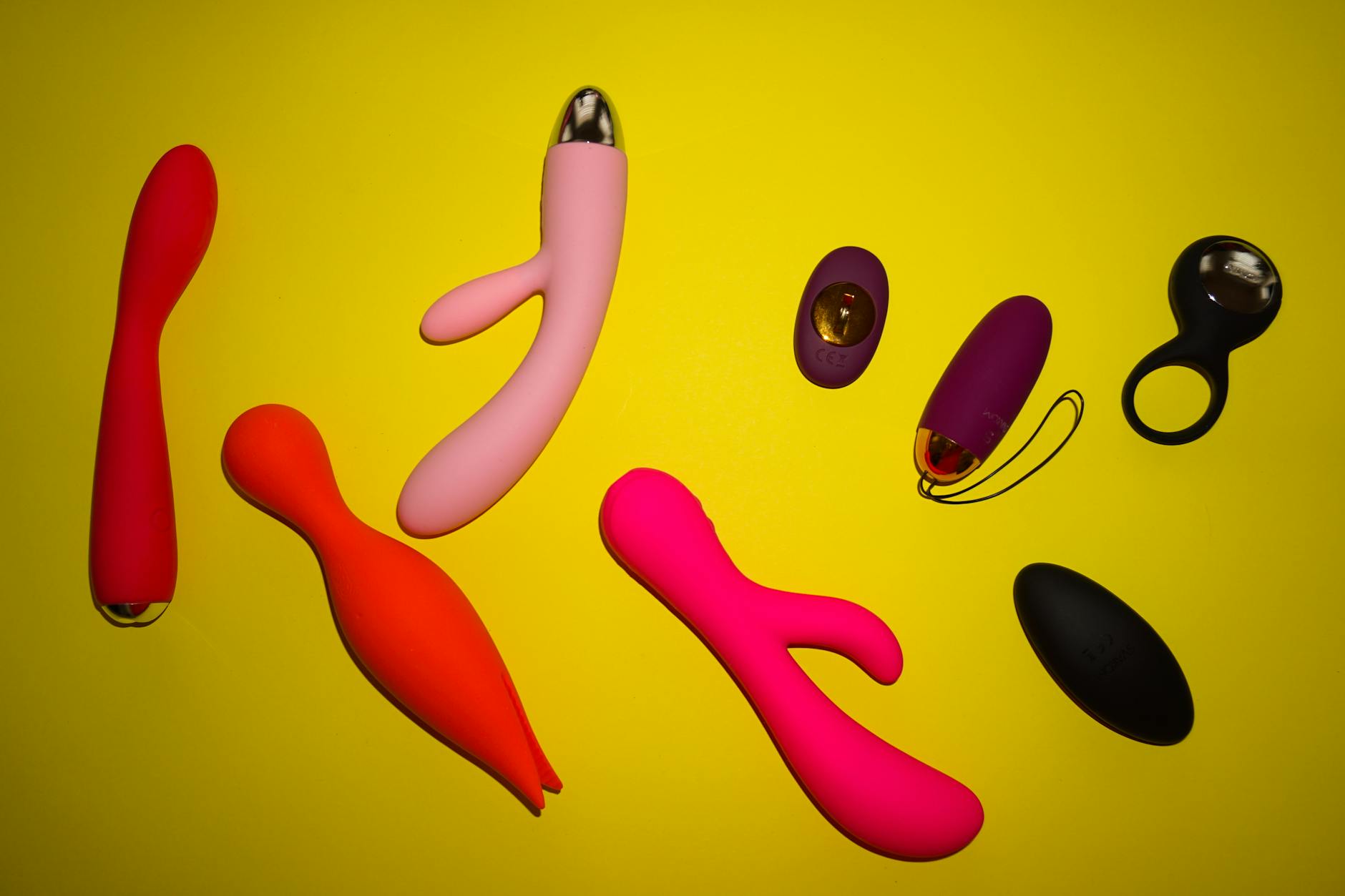
Let's be real: your clitoris is an estrogen-responsive organ. When estrogen levels shift—during your cycle, perimenopause, after stopping hormonal birth control, or during menopause—your clitoris responds. The tissue thins slightly. Blood flow patterns change. Sensitivity rewires itself. None of this means your capacity for pleasure is disappearing. It means your body is asking you to adjust how you touch it.
That's where lemon vibrators—specifically the suction-based clitoral vibrators like the Lemon design—become unexpectedly perfect. They don't require the same kind of direct friction that can feel overwhelming or numbed out when estrogen is low. Instead, they use gentle suction that works with your changing nerve response rather than fighting against it.
Your clitoris has roughly 8,000 nerve endings, and estrogen influences how responsive those nerves are to stimulation. When estrogen is high (mid-cycle if you menstruate, or on hormonal birth control), your clitoris feels more engorged and reactive. Touch it, and the signal travels fast.
When estrogen drops—whether that's the luteal phase of your cycle, post-menopause, or post-pill—the tissue around your clitoris becomes slightly less plump. The glans (the tip) can feel less sensitive to direct pressure. Some people describe it as "numb," but it's not numb. It's just asking for a different approach.
This is where most people make a mistake: they assume they need more intensity. They crank up their toy to maximum vibration, and suddenly pleasure feels harsh or distant. That's the opposite of what helps.
The Lemon clitoral vibrator and other air-suction toys operate on a completely different principle than traditional vibrators. Instead of vibrating at thousands of micro-movements per second, they use gentle pulsing suction that engages a broader area of clitoral tissue—not just the hypersensitive tip.
When estrogen is lower, this matters. Suction-based stimulation creates a kind of "safe zone" that doesn't overstimulate the glans while still hitting the underlying clitoral body and vestibular bulbs. You get sensation without the rawness.
Here's what that looks like in practice: at patterns 1-3 on a lemon suction vibrator, you're getting rhythmic gentle stimulation that feels more like pressure and rhythm than pin-point intensity. As estrogen fluctuates and your sensitivity changes week to week, you have room to adjust without abandoning pleasure entirely.
If you menstruate, your clitoral sensitivity isn't static. It shifts. Using a lemon vibrator across your cycle means learning to read your own body's feedback.
Follicular phase (days 1-14ish): Estrogen is climbing. Your clitoris feels plumper and more reactive. You can probably handle patterns 2-4 and longer warm-up times aren't essential. Some people find they orgasm faster here.
Ovulation (around day 14): Peak estrogen. This is often the "goldilocks" window—sensation feels clearest, orgasms feel strongest. If you're experimenting with a new lemon vibrator pattern, this is the ideal time to explore.
Luteal phase (days 15-28): Estrogen drops after ovulation. Your clitoris is slightly less reactive. Dial back to patterns 1-2. Build in a longer warm-up (10-15 minutes instead of 5). This isn't failure. It's adaptation.
If your cycles are becoming irregular or you're in full menopause, the pattern is more like a gentle sustained dip rather than a monthly rhythm. Your clitoral tissue adjusts to lower baseline estrogen. This is the "your body feels different after 40" scenario, and it's where lemon vibrators earn their place in your routine.
With consistently lower estrogen, you'll likely find that:
Patterns 1-2 feel better than anything higher
Warm-up time extends to 15-25 minutes
Direct friction (from fingers or traditional vibrators) can feel less pleasurable
The broader suction sensation of a lemon clitoral vibrator feels more satisfying
This isn't because you're broken. It's because your nervous system's relationship with direct pressure has shifted, and suction-based stimulation simply feels better given your new baseline.
1. Start at the lowest pattern. If your lemon vibrator has 10 settings, begin at 1. Spend 3-5 minutes there. Notice what you feel. Only increase if you want more.
2. Extend your warm-up. Estrogen influences how quickly blood flows to your genitals. When it's lower, arousal takes longer. Budget 15-20 minutes of foreplay or solo touch before introducing your vibrator. This isn't wasted time. It's recalibration.
3. Use lube, even if you don't "need" it. Water-based lubricant helps the suction seal better on the clitoral glans and reduces any friction from the vibrator cup. This matters more when estrogen is lower and tissue is thinner.
4. Angle the vibrator slightly off-center. Some people find that positioning a lemon vibrator so it's not directly on the glans—but slightly to one side—feels better when sensitivity is heightened. The suction still works, but the intensity spreads.
5. Pair it with a partner practice. If you have a partner, use your lemon vibrator in partnered sex. The combination of their attention and the vibrator's gentle suction often feels more integrated than solo use. This also takes pressure off your clitoris to "perform" on demand.
Here's something that surprises people: if you've been on hormonal birth control for years and suddenly come off it, your clitoral sensitivity will shift. The pill, patch, or ring was keeping estrogen artificially stable. When you stop, your body readjusts to its natural hormonal cycle.
If you've been using a traditional vibrator your entire time on the pill and suddenly it feels harsh post-pill, that's not random. That's your estrogen-responsive clitoris finally doing its real job. A lemon vibrator's gentler suction profile often feels more intuitive during this adjustment period.
The same applies if you're considering going on or off hormonal contraception: your pleasure baseline will shift. Plan for a transition phase where you're experimenting with different patterns and approaches. This is normal.
If you're in a partnered relationship, separating "my body's hormonal reality" from "something's wrong with our sex life" is critical. Estrogen changes affect clitoral response. That doesn't mean you've lost desire or that your partner is doing anything wrong.
Try this language: "My body's responding differently to touch right now because of hormonal shifts. I'd like to explore what feels good with my vibrator and show you what works." This centers the biology, not blame. It also invites your partner into the exploration rather than leaving them guessing.
Many partners find it genuinely hot to watch someone figure out their own pleasure with the help of a lemon vibrator. It removes the pressure for them to "know" your body's shifting needs and makes pleasure collaborative.
Yes, estrogen changes your clitoral response. But it's not the only thing. Stress, sleep, medications, relationship dynamics, and your own mental state all influence sensation. If you've adjusted your lemon vibrator use for hormonal shifts and pleasure still feels distant, consider whether something else is also shifting.
This is where it helps to be honest about the whole picture. Hormonal changes are real and worth addressing. But they're also sometimes a convenient explanation when the real friction is elsewhere. Trust your instincts.
No. Your clitoris has the capacity to respond to pleasure for your entire life. What changes is how it responds given your current estrogen level. Think of it like recalibrating a volume knob rather than breaking the speaker. Whether you're 25 or 65, your clitoris still works.
Minimally. Hormonal birth control flattens your natural estrogen rhythm, which is why many people on the pill report more consistent sexual response. If you notice big shifts even while on hormonal contraception, that's worth discussing with your doctor. It could signal that your birth control isn't a good fit or that something else is affecting sensation.
That's almost certainly hormonal. If you menstruate, track your cycles against your vibrator use for 2-3 months. You'll likely see a pattern: certain patterns feel great during the follicular phase and awful during the luteal phase. This is totally normal and expected.
Absolutely. In fact, many people find lemon clitoral vibrators more comfortable during perimenopause precisely because the suction-based design is gentler on tissue as estrogen becomes unpredictable. Start low and adjust based on what feels good that day.
Yes. If you start HRT, you might notice your clitoris becoming more reactive again. This is the estrogen replacement working. You may find you can handle higher patterns or need less warm-up time. This is a good sign—it means the therapy is working. Give yourself 3-4 weeks to recalibrate after starting or changing your HRT dose.
From a clitoral-response perspective, not much. Exogenous estrogen (from pills, patches, or implants) affects your tissue the same way your body's own estrogen does. The mechanism is identical. Your clitoris doesn't "know" the difference between hormone replacement therapy and your ovaries' output.
Your clitoris isn't fixed. It's responsive. Estrogen shapes that response, but so do your attention, your lube choice, your warm-up time, and the toy you're using. A lemon vibrator gives you flexibility across different estrogen states because its suction-based design doesn't require the same kind of direct friction sensitivity.
If you're noticing that sensation feels off, start by assuming it's hormonal and adjust accordingly. Lower pattern settings, longer warm-up, water-based lube, and patience usually solve it. And if you want more personalized guidance on navigating these shifts, reach out. We're here to help you navigate pleasure at every phase.