Let's name what's really happening
After childbirth, your body feels like it belongs to someone else. You've spent months nursing, being touched constantly, and your nervous system is basically running on fumes. The idea of receiving pleasure can actually feel overwhelming rather than welcome. Here's what matters: that's not a sign you're broken. It's a sign your body is protecting itself while it heals.
Intensity becomes the enemy when you're in this phase. A powerful vibrator that felt amazing six months ago can now feel like too much too fast. Your nerve endings are hypersensitive, your pelvic floor is still recovering, and your brain is juggling a thousand demands. Adding aggressive stimulation to that mix is not the path back to pleasure. It's just more overstimulation.
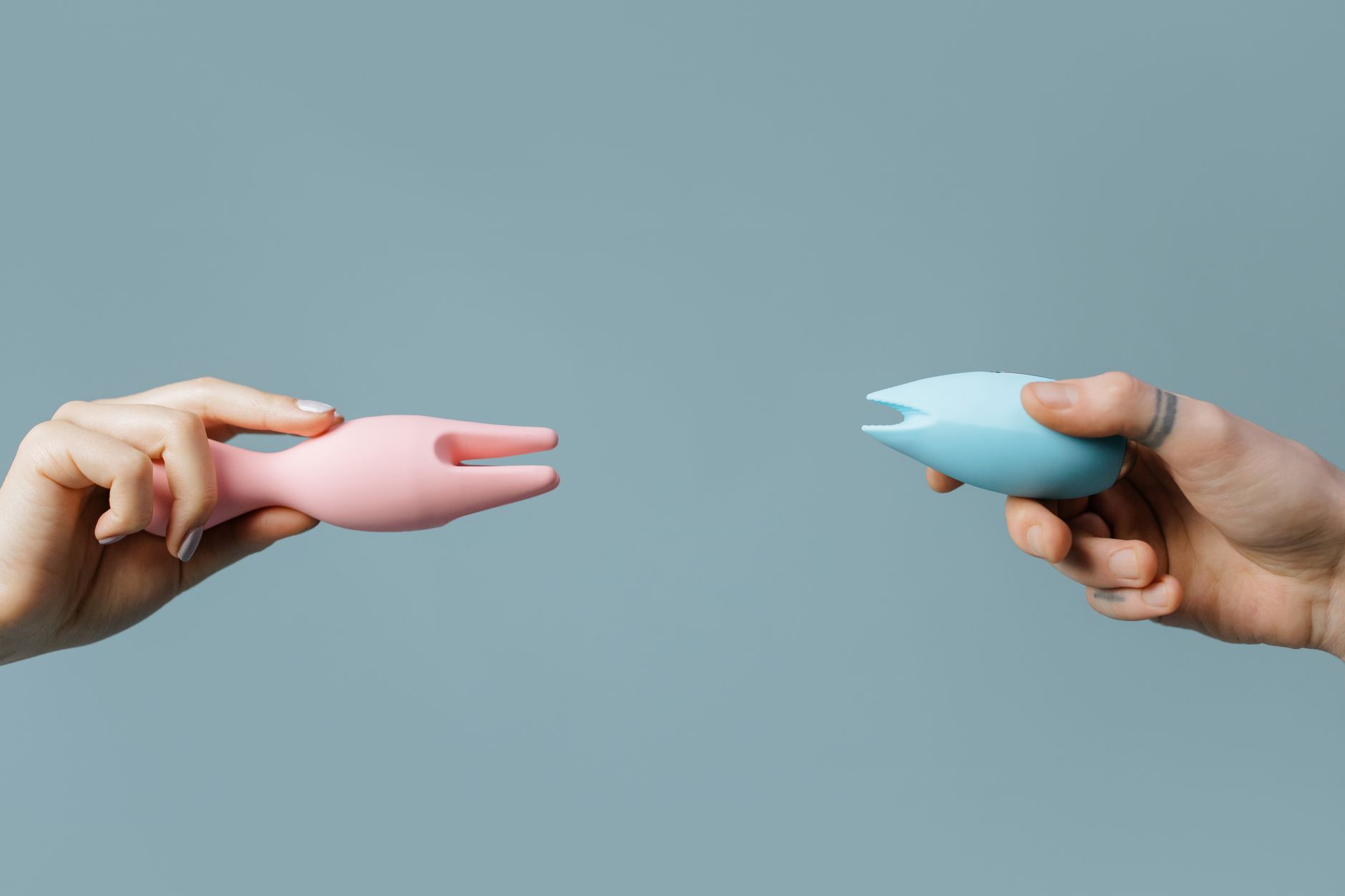
Lemon clitoral vibrators work differently here because they use suction instead of vibration alone. The Lem by Hello Nancy, for example, uses gentle air-pulse technology that feels more like a caress than a jackhammer. For postpartum bodies, this distinction is genuinely crucial.
Why intensity feels wrong right now
Two things are happening physiologically. First, your pelvic floor is still recovering from pregnancy and birth. Whether you had a vaginal delivery or a C-section, your entire pelvic region underwent massive change. The tissues are healing, nerve signals are re-establishing, and your pelvic floor muscles are rebuilding their coordination. Bombarding that area with intense vibration can trigger tension, not pleasure.
Second, your nervous system is in sympathetic overdrive. You're waking up multiple times a night, your cortisol is elevated, and your body is in a constant low-grade state of alert. When your nervous system is already activated, adding intense external stimulation doesn't create arousal. It creates irritation.
Many postpartum people report that their clitoris feels numb or weirdly sensitive at the same time, which sounds impossible but isn't. Some areas of the vulva are hypersensitive while others feel disconnected. This isn't permanent, but it does mean you need a tool that lets you modulate intensity instead of forcing you to pick between "off" and "overwhelming."
How suction changes the game
There are three main types of clitoral stimulation: direct vibration, pulsing vibration, and suction. Suction (what lemon vibrators and similar devices use) is gentler on healing tissue because it distributes pressure across a wider area instead of creating repetitive impact. Think of it as the difference between tapping someone's shoulder versus gently cupping it.
For postpartum bodies, this matters enormously. You can use a lemon vibrator on the lowest setting and still feel something pleasurable, whereas a traditional vibrator on the lowest setting often feels too muted or buzzy. The suction creates sensation without the aggression.
Another advantage: suction is less likely to trigger your pelvic floor's protective reflex. When your body feels threatened or overstimulated, the pelvic floor tightens automatically. This is why postpartum people often can't access pleasure with intense toys. Their bodies are literally protecting the healing area. Gentler suction-based stimulation often doesn't trigger that response because it doesn't feel invasive.
The practical steps to ease back in
Start with your device on the lowest setting, and I mean genuinely the lowest. If your lemon vibrator has settings, use one or two. Give yourself permission to feel like you're barely using it. This is intentional.
Next, choose a time when you're not already touched out. If you've been nursing or holding a baby all day, that's not the moment. You need a window where your nervous system has actually calmed down. This might mean 30 minutes after a shower, or an hour after your partner has given the baby a bottle. Don't treat this like a task to fit in. Treat it like a recovery window.
Use water-based lubricant even if you think you don't need it. Postpartum tissue is often thinner and more fragile than pre-pregnancy tissue, especially if you're breastfeeding. Lube makes everything feel better and protects your healing vulva. It's not a luxury. It's part of recovery.
Start by just holding the lemon vibrator against your vulva without turning it on. Let your body remember that touch can feel good instead of functional. This sounds silly but it's not. Your nervous system needs that reset.
When you do turn it on, spend time on lower intensities instead of moving up quickly. There's no rule that says you have to build toward stronger settings. Some people find that staying with suction at a gentle setting feels more pleasurable than pushing toward intensity. Your goal right now isn't the strongest orgasm. It's rebuilding the neural pathway that pleasure can exist in your body right now.
What to watch for
If you experience any pain, stop immediately. Pleasure and pain shouldn't coexist in this phase. Pain is your body's way of saying something's not healed enough. That's not failure. That's information. Give yourself more time and check in with your doctor or pelvic floor physical therapist if pain persists.
If you feel numb or like nothing's happening, that's also normal. Your nerves are literally still rewiring. Sometimes numbness is the first step before sensation returns. Use your lemon vibrator for a few minutes and then stop. You're not trying to force an orgasm. You're just rebuilding familiarity with your own pleasure.
Tightness in your pelvic floor during or after is a sign you need more time. If you feel your muscles clenching instead of relaxing, your body isn't ready yet. Back off, breathe, and try again in a few days. There's no rush. Your body will tell you when it's actually ready to explore pleasure instead of just defending itself.
The emotional piece that nobody talks about
Here's what gets skipped in most postpartum sex conversations: you might not want this. You might feel guilty about not wanting it. You might feel like your partner is waiting for you to "get better" and return to normal sex. And you might feel broken because you can't just flip a switch and go back to your pre-baby self.
This is exactly where the judgment stops. Your body has done something extraordinary. It doesn't owe anyone pleasure on a timeline. Using a lemon clitoral vibrator isn't about performing recovery for anyone else. It's about slowly, gently, on your own terms, remembering that you're a person whose pleasure matters. If that takes months, it takes months. If it takes a year, it takes a year.
The advantage of starting with gentle suction-based stimulation is that it removes the pressure of performance. You're not trying to have an impressive orgasm. You're just creating small windows where your nervous system can relax enough to remember that pleasure is possible. That's the whole goal right now.
When to check in with a professional
If you're months postpartum and still experiencing pain with any kind of touch, see a pelvic floor physical therapist. Not because anything's wrong with you, but because sometimes healing needs support. Pelvic floor PT can make the difference between another year of discomfort and actual recovery.
If you're struggling emotionally with the loss of pleasure, that's worth talking to someone about too. Postpartum anxiety and depression often show up as disconnection from pleasure or numbness. A therapist who specializes in postpartum mental health can help you figure out whether this is a nervous system issue, a tissue issue, or something else entirely.
Most importantly, use the lowest settings on your lemon vibrator. There's no badge for graduating to higher intensity. Gentle is not weak. Gentle is actually the smartest choice your recovering body can make.
People also ask
How long after birth can I use a vibrator safely?
Most doctors recommend waiting until any tearing or incision has healed, which is usually 6 to 8 weeks. But healing isn't just about closing wounds. Your pelvic floor needs months to actually recover its strength and coordination. Many people find that they can technically use a vibrator at 8 weeks but that they genuinely enjoy pleasure more at 3 to 4 months postpartum. Listen to your body, not a calendar. If something feels uncomfortable, wait longer.
Will using a lemon vibrator too soon hurt my healing?
If your tissues are still actively healing, intense stimulation could cause swelling or irritation. That's why starting with the gentlest setting on a suction-based vibrator like the Lem is so much safer than traditional vibrators. But if anything hurts, stop immediately. Pain isn't part of recovery. It's a sign you need more time.
Can I use a lemon vibrator while breastfeeding?
Yes, completely safely. There's nothing in breast milk that's affected by vibrators. What matters more is that you're not touched out when you start. Many postpartum people find it's easier to explore pleasure at times when they're not actively feeding. Your nervous system will thank you for that boundary.
Is it normal to feel nothing when I use a vibrator postpartum?
Completely normal. Your nerve endings are still recovering, and your brain is processing a thousand other things. Numbness often comes before sensation returns. Using your lemon vibrator gently for short periods is part of that reawakening process. You're not trying to feel a specific thing. You're just slowly rebuilding the pathway.
Should I tell my partner I'm using a vibrator to recover?
That depends on your relationship, but generally yes. Partners often assume that your reluctance to have sex is about them when it's actually about your nervous system being overwhelmed. Explaining that you're slowly reconnecting with your own body using a gentle tool like a lemon clitoral vibrator can actually help them understand what you need and why you need it. It also removes the pressure of performance, which helps both of you.
When should I move to higher intensity settings?
When lower intensity starts feeling too gentle and you find yourself craving a bit more. There's no timeline for this. Some people move up in weeks. Others take months. If you're not sure, stay where you are. Pleasure isn't about progression. It's about what actually feels good right now.
Take your time coming back
Postpartum recovery isn't linear, and neither is pleasure recovery. You might have a week where gentle suction feels amazing and then another week where you're back to feeling numb. That's not failure. That's your body still recalibrating. Using a lemon vibrator at the gentlest setting gives you a tool that won't pressure you into intensity you're not ready for. Your body's timeline is the right timeline. Trust it.
If you have questions about easing back into pleasure or want more guidance on recovery, reach out to us at Hello Nancy Avo. We're here to help you reconnect with pleasure on your own terms, without judgment or pressure.