Let's talk about what a breakup actually does to your body
Honestly? A lot more than we admit. When a relationship ends, especially one that lasted years or was emotionally significant, your nervous system doesn't just move on. Your body loses the familiar touch, the predictable rhythms, the physical validation that came with partnership. That absence is real.
And it shows up in your sexuality. You might feel numb where you used to feel eager. Or hypervigilant. Or completely disconnected from the idea that your own pleasure matters at all. Many people I work with describe post-breakup sexuality as a blank space. Not pain exactly, but emptiness. The neural pathways that lit up during partner sex need to be rewired back to yourself.
That's where rebuilding begins. Not with jumping into another relationship, not with forcing yourself to feel sexy before you're ready. With your own body, in your own time, using tools that actually work.
Why your nervous system needs time to reset
When you've been in a committed partnership, your arousal patterns become shaped by that dynamic. Your body learns to respond to your partner's touch, their timing, their energy. If the relationship ended painfully, your nervous system has learned to protect itself by dampening sensation. This is evolutionary wisdom, not a problem. It kept you from being hurt further.
But here's what happens next: even months after a breakup, some people still can't access arousal on their own. It's not about desire. It's about your nervous system being stuck in a protective posture. The pathways that used to light up during pleasure feel blocked.
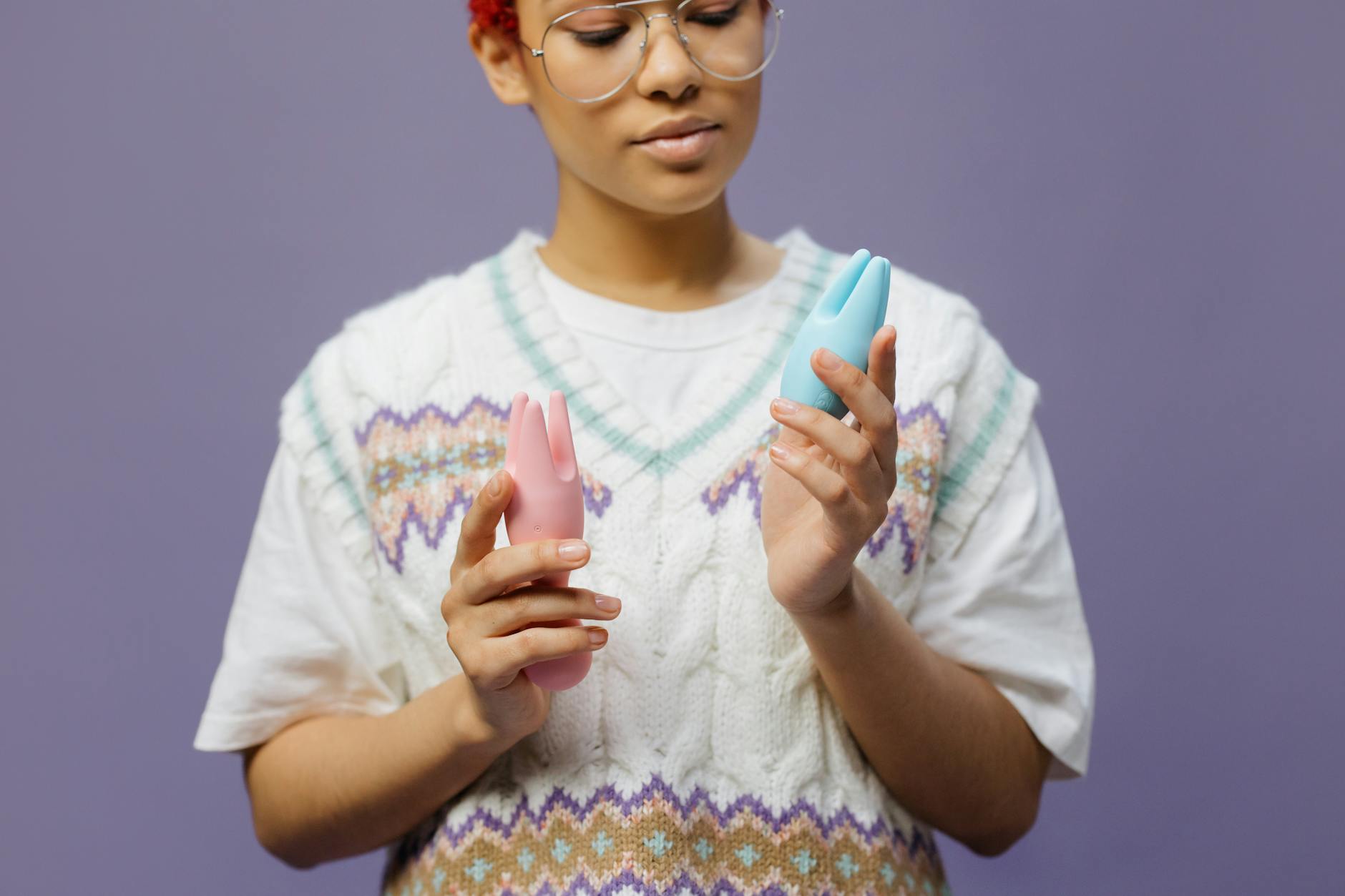
Lemon clitoral vibrators help because they work directly with sensation in a way that bypasses some of that protective armor. The suction mechanism is different from what you probably experienced in partnered sex. It's new. It's controllable. And because it's external stimulation rather than partner-dependent, it gives your nervous system permission to respond without any of the emotional baggage that comes with touch from someone else.
You're essentially teaching your body that pleasure is available again. Not with someone else. With you.
The three stages of post-breakup pleasure recovery
Stage one: Sensation exploration without pressure.
Right after a breakup, especially in the first month or two, you're not trying to have an orgasm. You're trying to remember what arousal feels like. A lemon sucker like the Lem is perfect for this because you can experiment with different intensity levels, different patterns, without the performance pressure of partnered sex.
Start with pattern one. Your job is just to notice what you feel. Is there numbness? Tingling? Does one side respond differently than the other? No answer is wrong. You're data-gathering. This is where curiosity replaces expectation.
Stage two: Rebuilding arousal tolerance.
After a few weeks of low-pressure exploration, you might notice arousal starting to build. It could be while using a lemon vibrator, or it could be just thinking about it earlier in the day. That's the signal that your nervous system is beginning to trust that pleasure is safe again.
At this point, you can stay with the sensations longer. Maybe you don't stop at pattern three. Maybe you keep going. The goal shifts from exploration to reconnection. Your body is learning that arousal can happen, can grow, and can lead somewhere.
Stage three: Integration and pleasure ownership.
A few months in, you're rebuilding confidence in your body's capacity for pleasure independent of partnership. You might notice your arousal patterns are different now. Maybe you're faster to respond. Maybe you need more warm-up time. Maybe you need fantasy, maybe you don't. Whatever you discover, that's your truth now, not a holdover from your last relationship.
Lemon clitoral vibrators support this stage because they're genuinely effective. Using a tool that consistently works rebuilds trust in your body. And that trust is foundational to everything that comes next, whether that's solo pleasure becoming a lifelong practice, or eventually partnered sex that's grounded in your own knowledge of what works for you.
Why lemon vibrators work differently than other toys
If you've used traditional vibrators before, you know they work through direct friction. That's effective, but it can feel intense on sensitive tissue, or numbing if you've been using the same toy for years. Air-suction technology, like the Lem vibrator, works by creating gentle pressure waves rather than buzz.
After a breakup, this difference matters. You're not looking for the numbing effect of high-intensity buzz. You're looking for sensation that feels fresh and grounded. The suction mechanism creates a different kind of stimulation that many people describe as more direct, more intentional, and easier to feel clearly.
For post-breakup recovery specifically, this means you're less likely to numb out while using it. The sensation is distinct enough that it keeps you present in your body, which is exactly what nervous system recovery requires. You can't dissociate as easily. You have to be there.
Building a solo pleasure practice that actually sticks
Here's the thing about post-breakup sexuality: if you're not intentional about rebuilding solo pleasure, you can end up chasing connection with other people before you're actually ready. The emptiness drives the search.
Setting a regular time for solo exploration helps. Not because you need to perform sexuality, but because ritual creates safety for your nervous system. Your body learns to anticipate that time, to prepare for it, to trust it.
Maybe it's once a week. Maybe it's three times a week. The frequency doesn't matter as much as consistency. You're not trying to have perfect orgasms. You're rebuilding the baseline belief that your body deserves attention, that your pleasure matters, and that you're capable of giving that to yourself.
A lemon clitoral vibrator fits into this practice because it's specific enough to create that ritual feeling. You're not just using whatever's in the drawer. You've chosen a tool designed for sensation. That intentionality signals to your brain that this time is for you.
What to expect emotionally
Sometimes using a vibrator after a breakup brings unexpected feelings. You might feel grief. You might feel relief. You might feel angry, suddenly and without warning, because your body remembers what it's like to be touched by someone who mattered.
All of that is normal. Your nervous system is processing both pleasure and loss at the same time. That's complicated neural work.
If you find that pleasure is triggering intense sadness or anger, that's actually a sign that the rebuilding is working. Your body is defrosting. And that means grief is going to come up. That's not a reason to stop. It's just information that you might benefit from talking to a therapist alongside this physical exploration. Pleasure recovery and emotional recovery don't have to happen simultaneously, but they're often intertwined.
When to introduce partnered sexuality again
There's no timeline here. But I'll tell you what I look for clinically: you're ready when you can use a lemon vibrator solo and feel genuinely present and pleasure-focused, not numb and not performing for an imagined partner. When you've established that baseline confidence in your own arousal, adding another person back into the picture becomes less about needing them to validate your sexuality and more about choosing to share something you already know works.
If you jump into partnered sex before you've done that solo work, you risk recreating the same patterns that got disrupted. You outsource your pleasure again. And that's an old habit, not a choice.
Take the time. Use the lemon vibrators. Build the practice. Your future partners will benefit from that work too, because they'll be partnering with someone who knows their own body and isn't dependent on external validation to feel sexy.
FAQ: Rebuilding pleasure after a breakup
How long does it take to feel normal again sexually after a breakup?
There's no universal timeline, but most people start noticing a shift in their body's response three to six months after a relationship ends. The nervous system needs time to downregulate from the protective posture a breakup puts it in. That said, if you're actively working with sensation through something like a lemon clitoral vibrator, you might notice shifts faster. You're signaling safety to your nervous system, which speeds up the reset process. Some people feel reconnected to pleasure within weeks. Others take a year or more. Both are completely normal.
Is using a vibrator after a breakup a sign I'm not healing?
Absolutely not. Using a lemon vibrator is active healing. You're not waiting around for someone else to validate your sexuality. You're taking responsibility for your own pleasure recovery. That's one of the healthiest things you can do post-breakup. Your body doesn't stop needing touch and sensation just because a relationship ended. Self-pleasure is how you maintain that connection to your own body while you're figuring out what comes next.
Can lemon vibrators help if I'm feeling completely numb after a breakup?
Yes, but you might need to approach it differently. Start with lower intensity levels and longer sessions. Numbness often comes from your nervous system being in a protective state, so gentle, consistent stimulation over time works better than trying to force intensity. You're essentially rewaking up nerve endings and teaching them that sensation is safe again. A lemon sucker works particularly well for this because the suction mechanism is distinct enough to potentially cut through numbness more effectively than traditional vibration.
What if I feel guilty using a vibrator solo when I'm used to partnered sex?
That guilt is usually about old messaging that female pleasure is something that happens for someone else, not for you. Post-breakup is actually the perfect time to unpack that. Your pleasure is not secondary. It's not a bonus that happens if your partner wants it to. It's foundational to your own wellbeing. Using a lemon clitoral vibrator solo is a direct rejection of that guilt-based framework. You're claiming pleasure as something that belongs to you, not to a relationship. That's not selfish. That's recovery.
Can I use a lemon vibrator if I'm still grieving the relationship?
Completely. In fact, grief and pleasure can coexist. Your nervous system is processing multiple things at once. You can feel sad about the loss and also feel your body respond to touch and sensation. Those aren't contradictory. They're both part of integration. The key is not using the vibrator to escape grief or to numb yourself from sadness. Use it as part of a broader healing practice that includes rest, time with friends, maybe therapy, and patience with yourself.
How do I know when I'm ready to consider dating again?
A good marker is when solo pleasure feels genuinely available, not performed. When you can use a lemon vibrator and stay present, feel the sensations clearly, and feel interested in your own pleasure independent of whether anyone else will benefit from it. That's the foundation you want under new dating. You're not looking for someone to complete your sexuality. You're inviting someone to share sexuality that you already know is alive in your body.
Moving forward on your own terms
Breakups fracture a lot of things. Your daily routines. Your sense of identity. Your connection to your own body. That last one is the quietest loss, and often the slowest to heal.
Using lemon vibrators or any tool designed for clitoral pleasure isn't about moving on fast. It's about moving forward intentionally. You're rebuilding the neural pathways that connect you to sensation, arousal, and your own capacity for pleasure. That's not a consolation prize while you wait for another relationship. That's the foundation of everything that comes after.
Take your time. Be gentle with your nervous system. Use tools that actually work. And trust that your body knows how to feel good again. It just needs permission and practice.