The weird gap nobody talks about
Here's the thing nobody preps you for: your body and brain can want completely different things during sex. Your clitoris might be waking up beautifully, your skin might be tingling, and simultaneously your mind is somewhere else entirely. Thinking about the dinner prep list. Checking in on whether your partner is enjoying this. Running through a spreadsheet. It's maddening.
This disconnect is wildly common, and it's not a sign you're broken or that your relationship is failing. It's usually a sign that something in your nervous system, emotional landscape, or dynamic with your partner needs attention. The good news? Lemon vibrators can actually help you rebuild that bridge between sensation and desire.
Why this happens (it's not what you think)
Sex therapists call this "spectatoring." You're in the experience but also watching yourself have the experience. You're monitoring, evaluating, making sure everything looks right. This splits your attention so completely that pleasure becomes theoretical instead of actual.
The causes vary. Sometimes it's anxiety. Sometimes it's a pattern you built over years of partnered sex where you learned to prioritize your partner's pleasure over your own sensation. Sometimes it's stress completely outside the bedroom. Sometimes it's lingering resentment that hasn't been named or addressed.
But here's the neurological part that matters: your body can respond to physical stimulation even while your brain is offline. Your clitoris doesn't need your permission to become engorged. Your nerve endings will fire without your conscious agreement. So you end up in this weird state where you're physically responsive but emotionally absent. You're getting sensation without desire.
The gap creates problems downstream
When sensation and desire are misaligned, sex starts to feel obligatory. Your body says yes but your mind says maybe. Over time, this creates confusion in your partnership. Your partner might feel like you're not present. You might feel guilty for not being present. The guilt then makes it harder to be present next time. The cycle tightens.
For solo play, the gap is different but equally frustrating. You might get physically stimulated and even orgasm, but the pleasure doesn't land the same way. You're finishing the motion without finishing the feeling.
How lemon vibrators bridge this specific gap
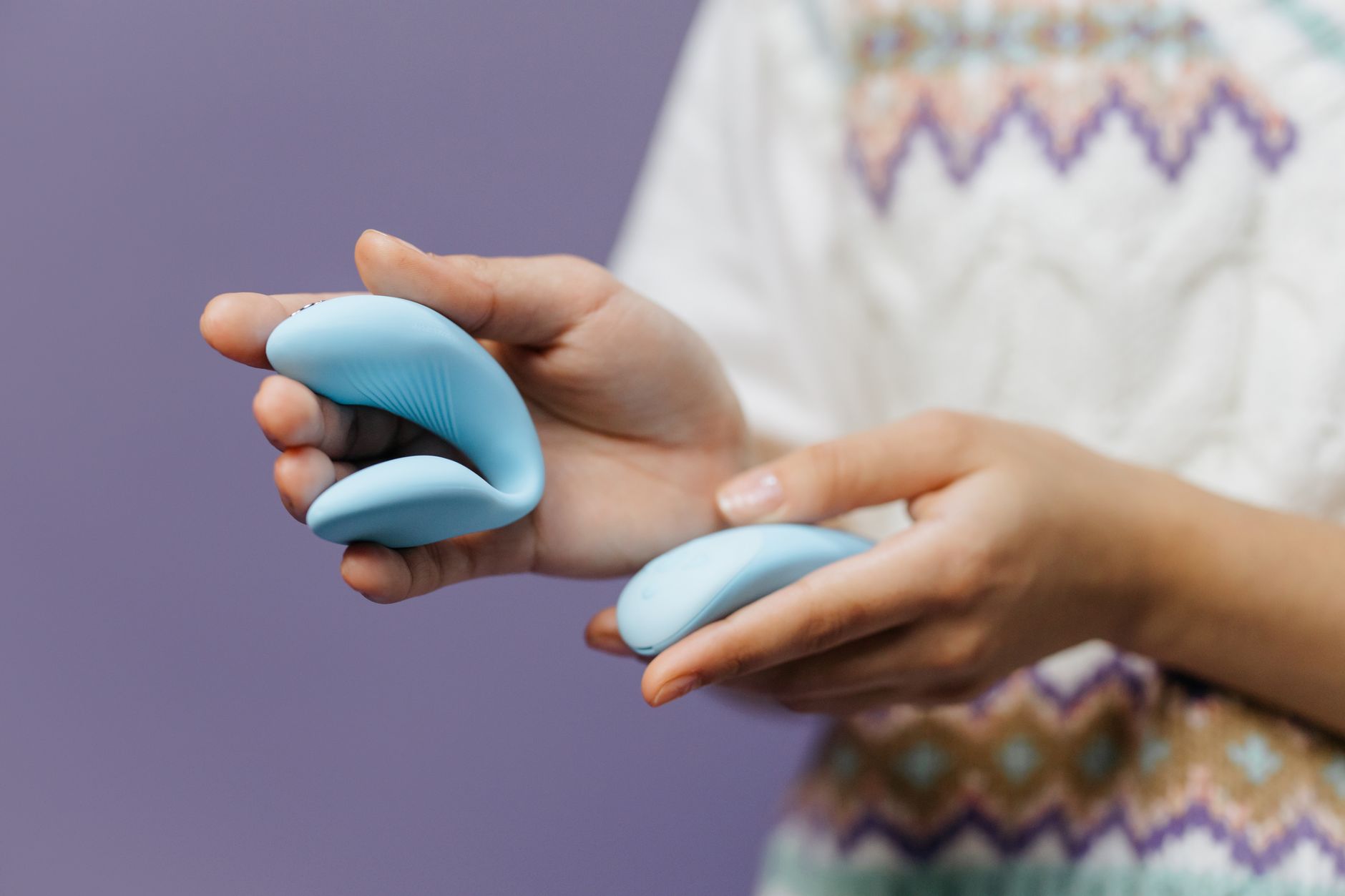
Lemon vibrators work differently than traditional vibrators because of how suction stimulation interacts with attention and focus. Suction requires micro-adjustments from you. You're not just lying passively receiving stimulus. You're actively managing intensity, positioning, rhythm. That active role pulls your brain back into your body.
When you're using a lemon clitoral vibrator, you have to stay present to the sensations. The suction pattern is different from what your body might have learned from fingers or penetration. That novelty alone can snap you out of autopilot. Your brain has to pay attention because the sensation is unfamiliar.
With a partner, using a lemon vibrator also creates a collaborative moment. Someone hands it to you or watches you use it. The dynamic shifts from passive to active. You're making choices about what feels good in real time. That's when your desire often reconnects.
Practical setup for reconnecting sensation to desire
If you're partnered: Talk about this before sex starts. Not during. Not in a defensive way. Something like: "Sometimes I notice my mind goes somewhere else during sex. I want to try something that helps me stay present. Would you be open to that?" Then explain that you want to use a lemon vibrator and you want them to know it's not about them. It's about you getting your brain and body on the same page again.
Then try this: Start with slow touch without the vibrator. Let your partner spend 10 minutes just exploring your clitoris with their hands or mouth. No goal. No performance. Just touch. Notice what thoughts come up. Are you thinking about whether they're enjoying it? Are you in your body or outside it?
When you introduce the lemon vibrator, start on the lowest setting. You control it. Your partner can touch other parts of your body, but they're not running the toy. This matters because you need to be making the decisions about intensity and rhythm. That's what brings your brain back.
If you're solo: Set aside time where there's genuinely no pressure. Not the five minutes before sleep. Not while multitasking. Actual time. Light a candle, lock the door, put your phone on silent. This sounds basic but it matters for your nervous system.
Start the same way. Touch yourself without the vibrator first. What are you thinking about? What brings your attention back to your body? Is it remembering a really good sensation? Is it focusing on your breathing? Is it fantasy?
Once you notice what pulls your attention, keep doing that while you introduce the lemon vibrator. If fantasy works, let your mind go there. If breathing brings you back, focus on how the suction feels against each exhale. You're not trying to force your brain to stay put. You're finding what naturally holds your attention and then adding stimulation on top of that.
The role of novelty and variety
One reason lemon vibrators are particularly useful for this gap is that they're genuinely different from what most people are used to. Your nervous system doesn't have an autopilot script for suction the way it might for vibration. That difference forces presence.
If you've been using the same toy or the same technique with a partner for years, your brain has learned to tune out. The sensation becomes background noise. A lemon clitoral vibrator interrupts that pattern. Your clitoris is receiving stimulus in a new way. Your brain has to show up.
When this is about the relationship, not just the body
Sometimes the sensation-desire gap is actually a relationship signal. You're present with your partner during everyday life but then absent during sex. Or you're resentful about something that hasn't been named. Or the intimacy has narrowed and you're going through motions.
Lemon vibrators can help with the physical piece. They can bring you back into sensation and rebuild some of the connection. But if the real issue is emotional distance or unaddressed conflict, the vibrator is a Band-Aid.
Talk to your partner about what's happening. Not accusatory. Not during sex. "I've noticed that my mind goes somewhere else sometimes. I think it might be because we haven't had a real conversation in weeks." Or: "I feel a bit disconnected right now and I want to fix that." Then actually address the thing. That's the real bridge.
Building the habit back
Once you find a rhythm that reconnects sensation and desire, do it again. Consistency matters here. Your nervous system learns through repetition that it's safe to be present. That it's worth being present.
Use the lemon vibrator regularly. Not because you're forcing pleasure but because you're training your attention back. Gradually you might notice that being present becomes easier even without the toy. Your brain remembers that your body is a place where good things happen. It stops tuning out as a default.
The reset button
Honestly, sometimes you just need permission to start over. To acknowledge that you've been somewhere else and to intentionally come back. That's not failure. That's wisdom. Your body and mind are supposed to work together. When they're not, it's worth the effort to sync them back up.
A lemon vibrator is a tool for that resynchronization. Use it with actual presence. Use it because you want to feel good, not because you should. Use it to remind yourself and your partner that your pleasure matters. That's when the magic happens.
FAQ
Why does my mind wander even when physical sensation is good?
Your brain might have learned over time to monitor rather than enjoy. This often happens in relationships where you've spent years paying attention to your partner's pleasure or managing anxiety about performance. Your nervous system gets stuck in observer mode. The good news is that you can retrain it. Lemon vibrators help because they require active engagement, which naturally pulls your focus back to sensation.
Can a lemon vibrator fix relationship problems that are causing the disconnect?
No. A lemon vibrator can help you reconnect physically and create moments of presence together. But if the real issue is emotional distance, unaddressed conflict, or mismatched intimacy needs, you'll need to address those separately. Use the vibrator as a way to rebuild physical connection while you work on the emotional piece.
How long does it usually take to reconnect sensation and desire?
It depends on why they disconnected in the first place. If it's situational stress or a recent pattern, you might notice a shift within a few weeks of consistent, intentional practice. If it's a longer-standing pattern, it might take a couple months. The key is consistency and genuine focus, not forcing it.
What if I use a lemon vibrator and still feel disconnected?
That's useful information. It might mean the disconnect has a deeper root. It could be about your relationship dynamic, unprocessed trauma, medication side effects, or something else entirely. Consider talking to a therapist who specializes in sexual health or relationship issues. Sometimes you need more than a tool. You need someone to help you understand what's happening.
Is it normal to need a vibrator to stay present?
Completely normal. Lemon vibrators aren't a sign you're broken. They're a tool that helps your nervous system reset and refocus. Lots of people need external support to reconnect. That's not weakness. That's actually self-awareness. You're noticing something isn't working and you're finding a solution.
Can my partner help me reconnect or should I do this solo first?
Both have value. Solo play lets you experiment without worrying about your partner's experience. That's useful for figuring out what actually brings your attention back. With a partner, you get the benefit of collaboration and the intimacy of being witnessed. Start wherever feels safer. Once you've noticed what works solo, you can bring that knowledge into partnered play.