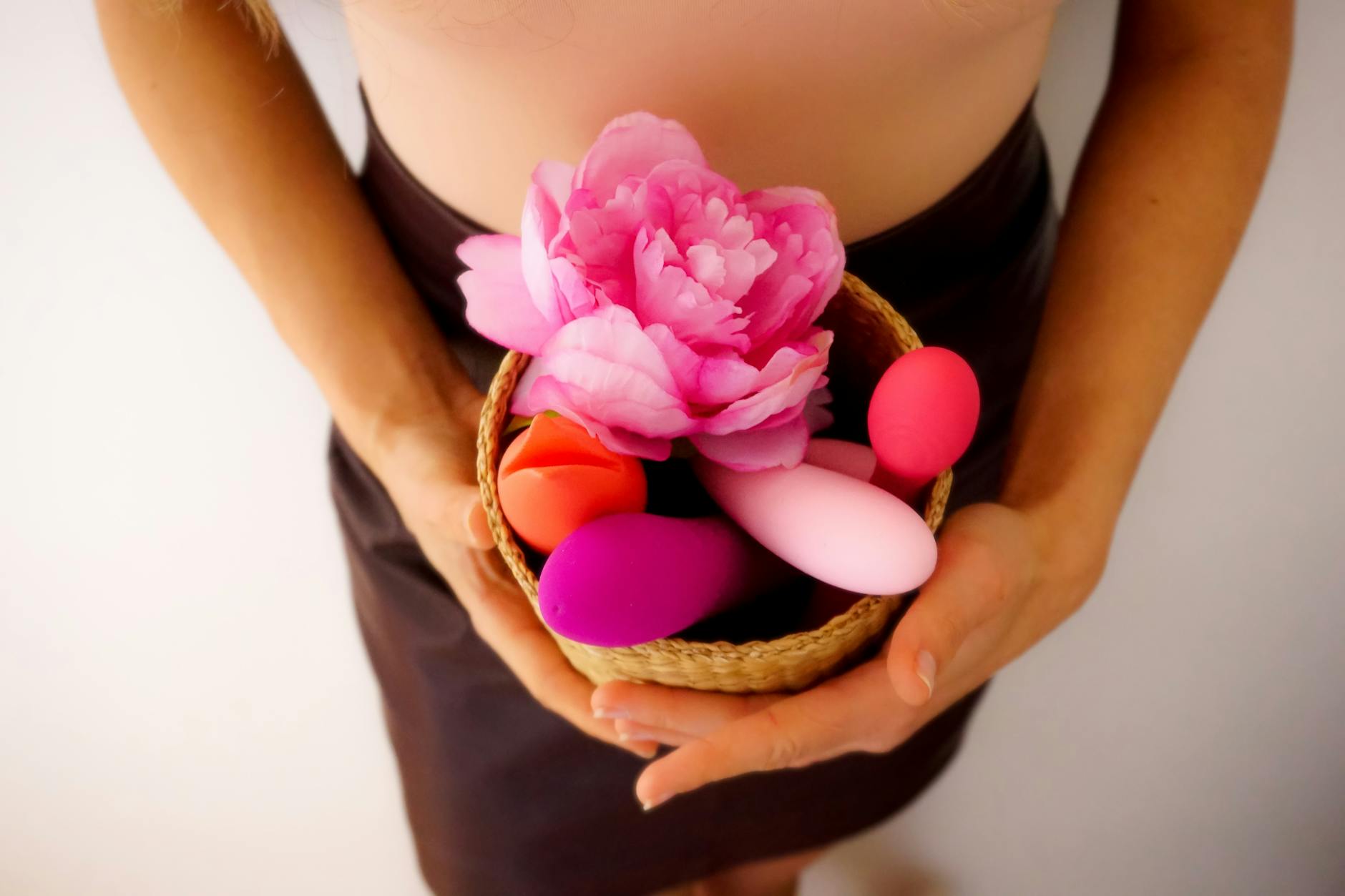
Let's be real about what dryness does to your pleasure
Vaginal dryness doesn't just make sex feel uncomfortable. It fundamentally changes how your nervous system experiences touch. When tissue is dry, sensation becomes muted and localized. Pain signals start drowning out pleasure signals. Over time, your brain learns to associate stimulation with friction instead of arousal, and that rewiring is stubborn.
Most people think dryness is a lubrication problem. It's not. Well, it is, but that's the symptom. The real issue is that dry tissue changes nerve firing patterns, reduces blood flow to the area, and makes arousal harder to build. And here's the kicker: using the wrong toys or techniques while dry can make it worse, not better.
That's where understanding how to use lemon vibrators specifically becomes crucial. Clitoral vibrators work differently than penetrative toys. They don't rely on friction. They use targeted oscillation to stimulate nerves in a way that actually restores sensation rather than punishing dry tissue.
Why dryness kills sensation (and how to rebuild it)
Your vaginal and vulval tissues thrive on moisture. Estrogen (whether from hormones, birth control, or just age) keeps tissue hydrated and supple. When moisture drops, tissue becomes thinner and more fragile. Nerve endings that sit close to the surface start firing at lower thresholds, which sounds good until you realize it means your nerves are misfiring from irritation instead of genuine pleasure.
The bigger issue is blood flow. Arousal works because blood rushes to your genitals, engorging tissue and making nerve endings more responsive. Dryness constricts that flow. Your body struggles to build arousal because the physical infrastructure isn't there.
Here's what matters: lemon vibrators bypass the friction problem entirely. Instead of requiring your tissues to slide and stretch (which hurts when dry), suction-based clitoral stimulation creates rhythmic pressure that pulls blood back into the area and reactivates your nervous system's pleasure pathways. You're not asking your dry tissue to perform. You're gently rebuilding its capacity to respond.
The lubrication layer: non-negotiable
Before you even pick up a lemon vibrator, acknowledge that lubrication isn't optional when you're managing dryness. Water-based lube is your baseline. It won't damage silicone toys, and it feels lighter than silicone-based alternatives, which matters when you're already uncomfortable.
But here's the nuance: apply lube to the external area around where the vibrator will sit, not inside. Clitoral suction toys like the Lem work on the external vulva. Internal dryness is a separate (solvable) issue, but it's not what the toy addresses. Focus on the opening of the vulva, the clitoral area, and your inner labia if you have irritation there.
Reapply as you go. Dryness means less natural lubrication, so your external lube will dry out faster. That's not a sign to stop. It's a sign to add more. Think of it as rebuilding moisture over time, not just making one session comfortable.
Starting slow with sensation recovery
When sensation is muted, the temptation is to jump to intensity. Resist it. Dryness makes high intensity feel abrasive and overwhelming rather than pleasurable. You're rebuilding your nervous system's ability to translate vibration into arousal, and that takes a gentler pace.
Start on pattern 1 or 2 with any lemon clitoral vibrator. Spend a full 10-15 minutes here. This isn't foreplay to "real" stimulation. This is the work. Your tissues need time to warm up, increase blood flow, and start responding. At this pace, you'll notice your body gradually loosening, your clitoris becoming slightly more engorged, and pleasure building instead of just discomfort happening.
If you feel irritation instead of pleasure, stop. Apply fresh lube and try again the next day. Sensation recovery isn't linear. Some days your body will be more responsive than others, and that's completely normal.
Building arousal without pain
One reason people with dryness struggle with arousal is that low-intensity stimulation doesn't feel like much of anything when sensation is suppressed. Your brain isn't getting a clear signal to build arousal. This is where patience really matters.
Stay at low intensity for 10-15 minutes. Let blood flow return to your clitoris. Let your nervous system start recognizing the stimulation as safe and pleasurable rather than threatening. Around the 12-minute mark, many people feel a shift. The sensation goes from "I feel the vibration" to "oh, I'm actually enjoying this." That shift is what you're waiting for.
Once you feel arousal building, you can gradually increase pattern intensity. But increase in small steps. Go from 2 to 3, not from 2 to 8. This prevents overstimulation and keeps the experience focused on pleasure, not chasing sensation.
If you're using a lemon sucker like the Lem, remember that suction adds a different dimension than vibration alone. The rhythmic pulling sensation can feel more intense than you expect, especially at first. Start with gentle suction (lower settings) even if you're already familiar with vibrators. Your dry tissue deserves that respect.
The partner variable: how to communicate during recovery
If you're recovering sensation with a partner present, set expectations beforehand. Tell them you're doing slow-intensity recovery work, not building toward penetration or quickies. This reframes the experience as intimate and intentional rather than foreplay that isn't "working."
Many partners worry that dryness means they've done something wrong or that pleasure is off the table. It's not. Watching your partner rebuild sensation with tools specifically designed to feel good is deeply intimate. Let them participate if it feels right: they could apply lube, adjust your position, or simply be present while you explore what feels good.
If you're single, this recovery is purely about you and your nervous system. No performance expectations. No timelines. You get to spend as long as you need discovering what feels good at each intensity level.
When dryness is systemic, not situational
If dryness is chronic, you might be dealing with genitourinary syndrome of menopause (GSM), a medication side effect, or a hormonal issue. That's worth a conversation with your doctor. Topical estrogen creams, vaginal moisturizers used daily, and sometimes systemic hormone therapy can genuinely change the game.
But while you're working through that with a healthcare provider, lemon clitoral vibrators can help rebuild sensation and pleasure in the meantime. They're not a replacement for medical treatment. They're part of a holistic approach to reclaiming pleasure during recovery.
FAQ
Can lemon vibrators help rebuild sensitivity after prolonged dryness?
Yes. Clitoral vibrators work by stimulating nerve endings in a way that doesn't require friction, which is crucial when tissue is dry. Consistent, low-intensity use over weeks helps your nervous system re-sensitize and rebuild arousal capacity. The key is patience and consistency, not intensity.
How often should I use a lemon clitoral vibrator when I'm recovering sensation?
3-4 times per week works well for most people. Frequent use helps rebuild neural pathways and increases blood flow to the area. More than once daily can lead to overstimulation or irritation, especially when you're starting out. Give your body recovery time between sessions.
Does using a lemon sucker feel different when you have vaginal dryness?
It can feel more intense at first because suction creates a different pressure sensation than vibration alone. Start on the gentlest suction setting and work up. The suction action actually helps pull fluid and blood back into the area, which can accelerate sensation recovery over time.
What if using a lemon vibrator still causes irritation?
Increase the amount of water-based lube you're using, drop the intensity by one level, and shorten your sessions to 5-10 minutes instead of 15-20. You might also benefit from a vaginal moisturizer used daily between sessions. If irritation persists after a week of adjusted use, check in with your healthcare provider to rule out infection or other concerns.
Can dryness get worse if I use vibrators?
No, but incorrect use can cause irritation that feels like dryness. If you're using high intensity without adequate lubrication, you're creating friction that inflames tissue. That inflammation mimics dryness because it prevents arousal. Use plenty of lube, keep intensity low initially, and prioritize sensation over orgasm, and vibrators actually improve the situation.
How long does it take to rebuild sensation after dryness has affected pleasure?
Most people notice shifts in 2-3 weeks of consistent low-intensity use. Real recovery, where arousal builds easily and sensation feels clear rather than muted, often takes 6-8 weeks. This varies wildly depending on the cause of your dryness, whether you're on medications, and your overall health.
You deserve sensation without penalty
Vaginal dryness is frustrating because it makes pleasure feel like work. Your body stops cooperating the way it used to. That's real, and it's valid to feel angry about it.
But dryness isn't a permanent loss of pleasure. It's a temporary change in how your body responds. Lemon vibrators are specifically useful here because they approach sensation differently than most toys. They don't demand friction or depth or internal arousal. They simply invite your nervous system to remember that pleasure is possible.
Start slow. Use lube generously. Give yourself weeks, not days. And if you're stuck, reach out. Hello Nancy Avo's care guide has more specifics on toy maintenance and safe use during recovery, and our team is here to help you figure out what works for your body.
Your pleasure matters. Even when sensation is muted. Especially then.