Let's be real about busy schedules and pleasure
You used to have sex. Maybe it was spontaneous, maybe it was planned, but it happened regularly. Now you're juggling work deadlines, kid pickups, aging parents, a partner who's equally exhausted, and somehow also supposed to remember to shower. The idea of setting aside an hour for intimacy feels like fantasy.
Here's what I see in my practice: people don't stop wanting pleasure because their desire vanishes. They stop because the infrastructure for pleasure collapses under time pressure. The solution isn't finding more time. It's working with the time you actually have.
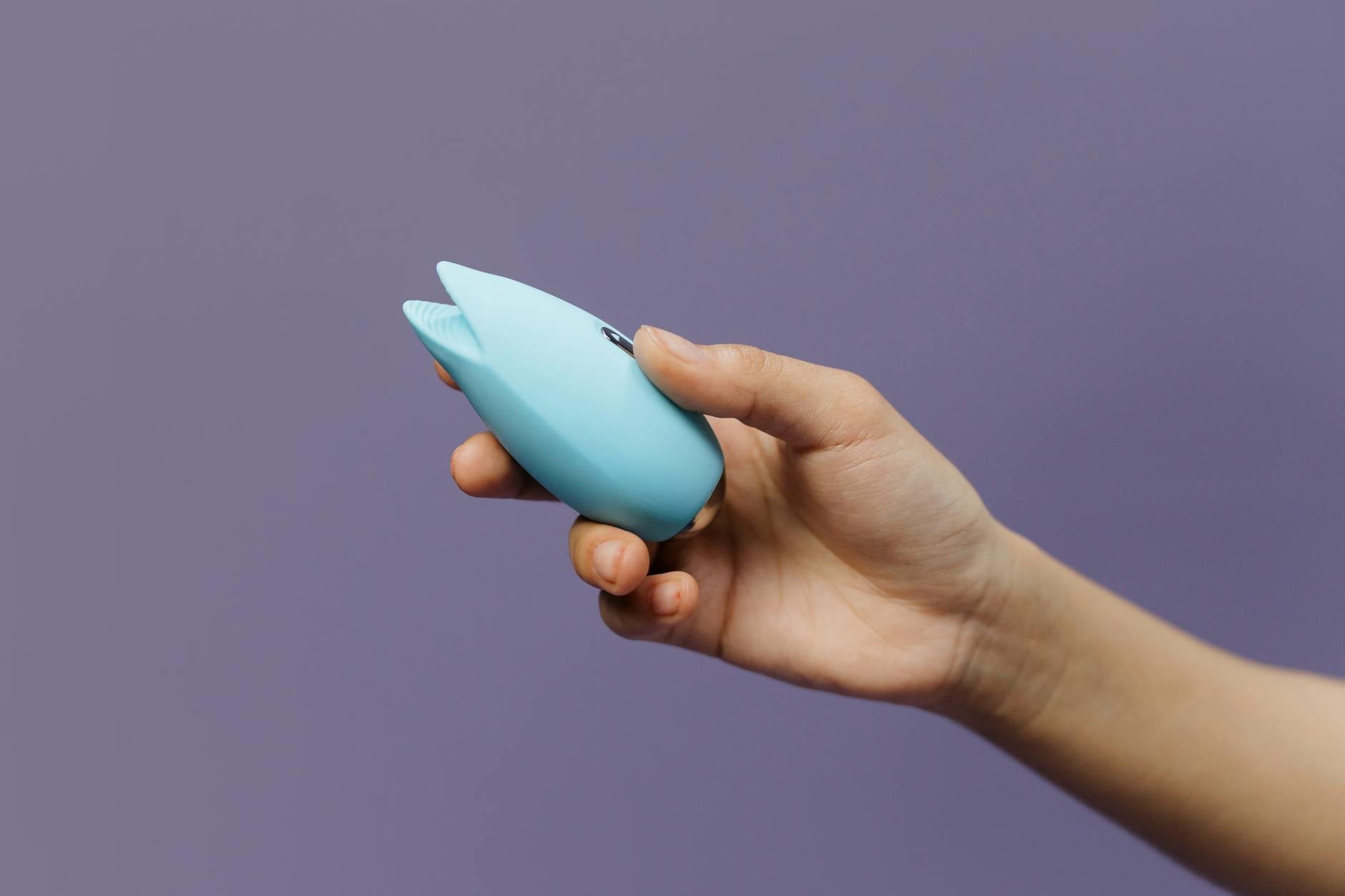
Lemon clitoral vibrators, specifically, are built for this. They work fast, they're discrete, they require zero warm-up conversation, and they deliver results in the window between when the kids go to bed and when you collapse. This isn't second-best pleasure. It's realistic pleasure. And sometimes realistic is exactly what saves a relationship.
Why speed matters without sacrificing satisfaction
Here's the gap between theory and practice: relationship experts tell you that quality intimacy takes time. They're not wrong. But they're also not standing in your kitchen at 10 p.m. knowing you have a 6 a.m. meeting tomorrow.
Lemon clitoral vibrators close that gap because they work with your body's actual neurology, not against it. The suction-based stimulation triggers a different neural response than traditional vibration. You don't need thirty minutes of gradual buildup. You need focused, efficient stimulation. The Lem vibrator, for example, can deliver an orgasm in five to ten minutes for many people once you know how you like it.
That matters because it means you can have real, satisfying pleasure without the time tax that used to come attached to it.
The anatomy of a 10-minute solo session
Here's what works when time is the constraint:
Minutes 1-2: Context. No performance pressure. You're doing this for you, not as a gift to your partner or because you "should." Sometimes that mental shift is the whole thing. Lock the door. Tell your partner you need ten minutes alone. No explanation required.
Minutes 2-4: Exploration. Your clitoris has about 8,000 nerve endings. Most of them are hypersensitive to repetitive pressure. The Lem's pattern system lets you start at intensity level 1 or 2 and move through sensations without committing to one rhythm. Let your body tell you what wants attention right now. This changes week to week based on hormones, stress, and where you are in your cycle.
Minutes 4-8: Rhythm. Once you find what feels good, you can stay there or escalate. Here's the game-changer: lemon vibrators don't require the choreography that partnered sex does. No checking in, no switching positions, no managing someone else's pleasure alongside your own. Pure focus.
Minutes 8-10: Resolution. Not every session ends in orgasm. That's fine. The point is pleasure, not hitting a quota. Some nights you'll peak fast. Other nights you'll spend the full ten minutes exploring. Both are wins.
When your partner's schedule and yours don't align
This is the scenario I hear most often: one person in the relationship still has bandwidth for sex. The other is genuinely tapped out. Neither person is wrong. Neither person has failed. But the mismatch starts to feel like rejection on both sides.
Lemon clitoral vibrators solve a specific part of this equation. They let the person with higher desire maintain a solo practice without it feeling like a consolation prize. More importantly, they take pressure off the partner who's depleted. Sex doesn't have to happen for intimacy to exist.
I worked with one couple where the partner with lower libido felt guilty every time the other person initiated. It became this dance of avoidance and resentment. Once we separated "my solo pleasure" from "our partnered time," everything shifted. The person with lower desire stopped feeling cornered. The person with higher desire got their needs met. And actually, knowing that their partner was taking care of themselves made the partner with lower libido feel less guilty and actually more able to show up for occasional partnered sex.
Lemon sexual toys become the infrastructure that lets both people's needs coexist.
The solo pleasure that makes partnered sex better
Here's something nobody talks about: regular solo sessions, especially with a tool that works for your body like a lemon clitoral vibrator does, actually improve partnered sex.
Why? Because you learn what you like. You discover your specific response patterns. You remove some of the performance anxiety because you've already had pleasure that week and you're not starving for it. And you map your own body in a way that lets you direct a partner more effectively when you do have time together.
Solo sessions become research. They answer questions like: Do I prefer concentrated stimulation or broader pressure? What speed takes me to the edge fastest? Which days in my cycle is my clitoris most sensitive? What kind of mental space gets me there easiest?
That information is gold when you're trying to maximize the thirty minutes a month you actually have together.
Quickies: the misunderstood category
There's a weird cultural story that quickies are bad. That real sex is slow and intentional. That rushing it means something is broken in the relationship.
I don't buy that. Sometimes a quickie is exactly right. Sometimes it's what your body needs and what your schedule allows. The mistake is treating a quickie like a failed attempt at full-length sex instead of its own thing with its own rhythm.
With a lemon vibrator and your actual honest desire, a quickie can be satisfying. Here's the difference: partnered quickies often feel rushed because someone is waiting for it to be over. Solo quickies with the right tool feel like you got exactly what you came for. There's no clock pressure, no performance narrative, just pleasure on your timeline.
Building the habit when consistency feels impossible
You know what kills pleasure practice? Treating it like another task on the to-do list. "I should find time for this." That turns pleasure into obligation, which is the opposite of the point.
Instead: anchor it to something that already happens. After you brush your teeth before bed. During your lunch break at work in a locked office. Right after your partner leaves for the gym. The specific time matters less than making it automatic.
I had a client who scheduled solo time right after she got home from work, before she switched to "mom and partner mode." Fifteen minutes of shower time became fifteen minutes with her lemon clitoral vibrator. It sounds small, but it anchored her pleasure to the physical space and time so that her brain eventually associated that window with the possibility of feeling good.
That consistency changes everything. You stop treating pleasure like a luxury. You start treating it like maintenance, which is closer to the truth. Your nervous system needs it. Your relationship needs it. Your stress levels need it.
When lube makes the whole thing faster
Here's a mechanical point that matters: if you're time-constrained, lubrication is your friend.
Your body produces lubrication when it's aroused, yes. But if you're going from zero to pleasure in ten minutes, your body might not ramp up production fast enough. Water-based lube (like you'd use with any adult toy) speeds up everything. It helps the lemon suction work more efficiently. It eliminates the friction that slows down response time.
Some people worry that using lube means their body "isn't working right." That's not how it works. Lube is a tool, like your vibrator. It's not failure. It's efficiency.
The permission piece (which is half the battle)
Honestly though? The hardest part of finding time for pleasure when you're busy isn't logistics. It's permission.
You have to believe you deserve it. Not as a reward for productivity. Not when everything else is done (it never is). Not when you're not too tired or too stressed. Just as a baseline right to your own pleasure.
That belief is harder to build than the habit. But once it's there, ten minutes becomes non-negotiable. Like brushing your teeth. Like drinking water. Like the thing you need to show up as yourself in your own life.
Frequently asked questions
How long does it actually take to have an orgasm with a lemon vibrator if you're time-constrained?
Anywhere from five to twenty minutes, depending on your body, your cycle, your stress level, and whether you've used the vibrator before. First-timers often take longer because they're figuring out what pressure and pattern works. Experienced users of lemon clitoral vibrators often drop to five to ten minutes because their body recognizes the signal. The key is stopping the clock-watching. You're not aiming for a time. You're aiming for sensation. Whether that resolves in an orgasm or just feels good is both fine.
Can I use a lemon vibrator if I'm with a partner who's in the same room but busy with something else?
Yes. The Lem and other lemon sexual toys are quiet enough that you can use them while your partner reads, scrolls, or watches something. Some couples find this weirdly connecting. Others prefer solo sessions alone. There's no right answer. The point is your pleasure isn't contingent on their availability or participation. You get to own that.
Is solo pleasure with a vibrator a sign that something's wrong with my partnership?
No. Actually the opposite often. People in happy partnerships use vibrators. People in struggling partnerships use vibrators. People in perfect partnerships use vibrators. The vibrator isn't the issue. It's a tool. The relationship issue is usually about communication and mismatched expectations around frequency. Using a lemon clitoral vibrator solo doesn't mean you don't want partnered sex. It usually means you're taking care of yourself so you have more bandwidth for actual partnership.
What if I feel guilty about needing to use a vibrator when my partner would prefer to be the one bringing me pleasure?
That's worth a conversation. Unpack whether they feel rejected or whether this is about them being the sole source of your pleasure (which is a setup that fails everyone). The truth is that you having an independent pleasure practice often makes partnered sex better because you're less desperate for it and more clear about what you actually want. I recommend finding language like "I'm adding to my pleasure, not replacing you" and seeing if that lands.
Can I keep a lemon vibrator accessible without it feeling weird in a shared space?
Yes. Bedroom drawer. Bathroom cabinet. A small decorative box under the bed. You don't need to hide it like it's contraband. If you're partnered, matter-of-fact is usually best. "This is where I keep my vibrator" lands way better than secret shame. If you live with other people (kids, roommates, parents), a locked drawer is practical. Not because pleasure is wrong. Because privacy is reasonable.
What if I'm so exhausted that even ten minutes feels like too much?
Then you're actually too exhausted for sex right now. But here's what I notice: sometimes a quick solo session is less draining than partnered sex because there's zero emotional labor. No checking in, no managing someone else's pleasure, no aftermath conversation. Sometimes ten minutes alone actually gives you more energy than you started with because you've decompressed your nervous system. Worth testing.
Your actual timeline for pleasure matters
You're not going to find extra hours. You're not going to suddenly have fewer obligations. Your calendar isn't getting bigger. But your pleasure doesn't have to shrink with it.
Lemon clitoral vibrators work because they work with your actual life instead of asking your actual life to change. They're fast, they're effective, and they let you reclaim something that busy people often lose: the belief that pleasure is available to you right now, in the fifteen minutes you actually have.
Start there. See what happens when you stop waiting for the perfect conditions and work with the conditions you've got. That's where real pleasure lives anyway.