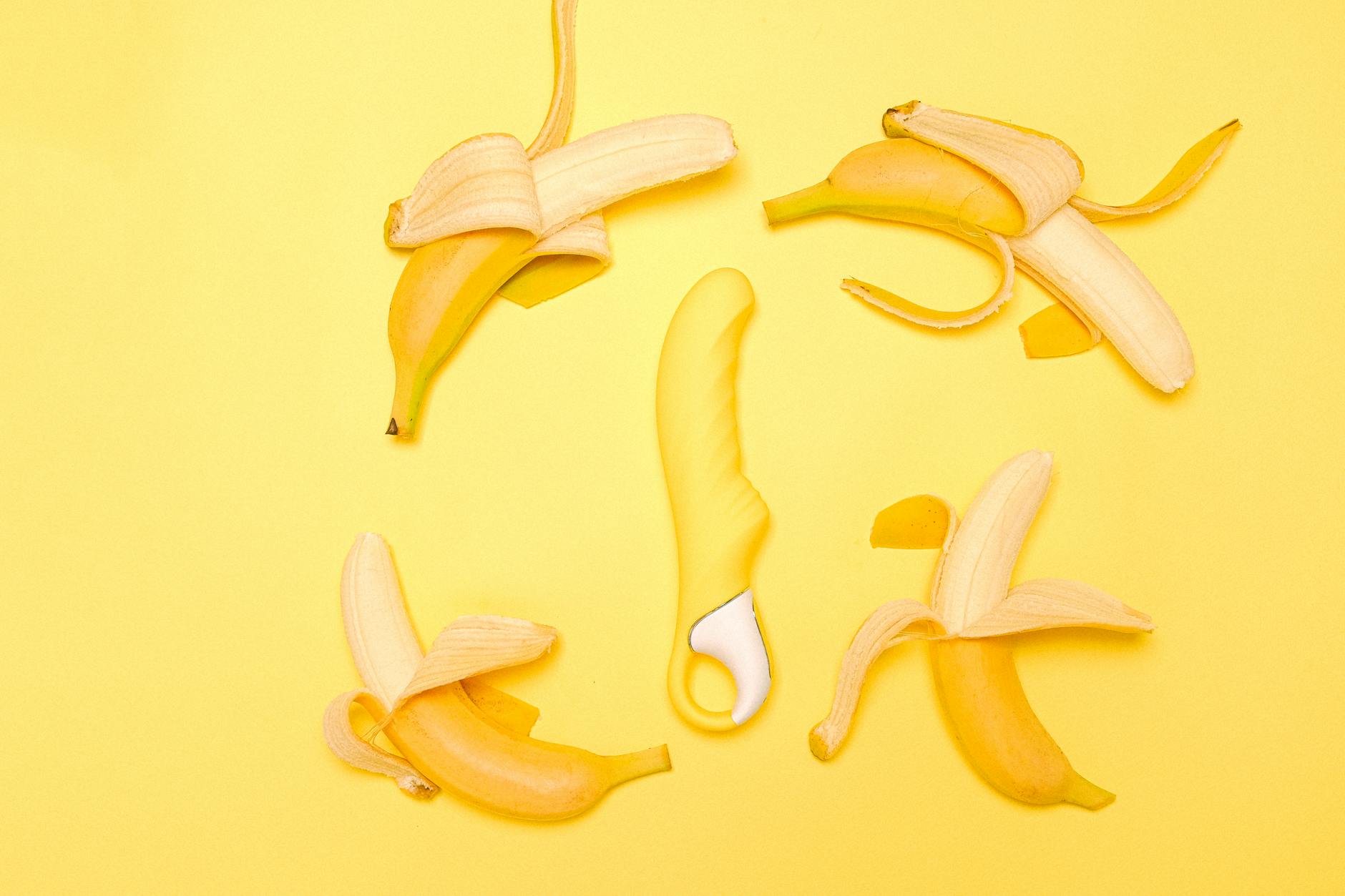
Let's name the feeling first
You're thinking about using a lemon vibrator. Maybe you already have one. And then guilt hits. Not the rational kind ("I should probably be doing something productive"). The deeper kind. The kind that whispers that solo pleasure is selfish, wrong, or a sign something's broken in your relationship.
That guilt is real. It's also not yours. It belongs to whoever taught you that your body's pleasure was something to manage or apologize for.
Where the guilt actually comes from
Most of us grew up in environments where masturbation was either forbidden outright or treated as a shameful secret. Religious upbringing, parents who never discussed pleasure, media that framed masturbation as a last resort for lonely people. These messages sink deep. They don't feel like beliefs you absorbed. They feel like facts about you.
But here's what research shows: people who feel comfortable with solo sex report higher relationship satisfaction, better orgasms, lower anxiety, and clearer communication with partners. Guilt about masturbation doesn't protect your relationship. It damages your ability to access pleasure, which damages intimacy.
The guilt is the problem, not the solution.
Why lemon vibrators make this particular guilt worse
There's something about holding a toy in your hand that feels less deniable than your own fingers. It's intentional. It's evidence. If you could wave it away as an accident, maybe the guilt wouldn't stick so hard. But a tool designed for pleasure is harder to minimize.
Which is exactly why using one is so powerful. Naming what you're doing ("I'm using a lemon clitoral vibrator for pleasure") instead of euphemizing it ("I'm just relaxing") forces you to reckon with your own worth. And that reckoning is where change starts.
The reframing work that actually matters
Guilt thrives on silence. It needs shame to survive. So start here:
Solo pleasure is not a substitute for partnered sex. It's a category of its own. When you're having sex with a partner, you're in a duet. When you're with a lemon vibrator alone, you're in a solo. Different instruments, different purpose. Both valid. One doesn't diminish the other.
Your body doesn't belong to anyone else. Not your partner, not your religion, not your family's expectations. If you wouldn't let someone else make decisions about your sleep, your career, or your food, you can't let them make decisions about your pleasure. This is non-negotiable.
Masturbation is a maintenance activity, not a luxury. You brush your teeth without guilt. You exercise without guilt. You hydrate without guilt. Pleasure is a neurological need. Your brain runs better when you're accessing your own arousal and release regularly. Treat it like the basic self-care it is.
How to use a lemon vibrator when the guilt is still there
You don't have to feel fine about it first. You can feel guilty and do it anyway. That's where the real freedom starts.
Set a time and claim it. Don't steal five minutes when no one's looking. Pick a time and tell yourself (and your partner, if applicable) "I'm having quiet time." The directness dissolves shame. It's not a secret anymore. It's just something you do.
Start low-intensity. If you're new to lemon vibrators or to acknowledging your own pleasure, begin with patterns 1 or 2 on the device. This isn't about rushing to orgasm. It's about learning what your body likes without pressure. Low intensity also gives your nervous system time to calm down while you're managing the guilt.
Focus on sensation, not performance. Don't ask yourself "Am I going to come?" Ask yourself "What does this feel like?" The shift from outcome-focused to sensation-focused turns solo pleasure from a goal into an experience. This also lowers the anxiety that guilt creates.
Name what you're doing in real time. "I'm touching my clitoris. This feels good. I deserve this." It sounds cheesy but it works. Narration pulls you out of shame and into your own body.
What to do if guilt comes up mid-session
It will. You're rewiring years of conditioning. When shame surfaces during solo time, pause the vibrator and ask yourself: "Whose voice is this?" Often it's not yours. It's a parent, a teacher, a religious authority, an ex-partner. Name it. Then tell yourself: "That's not my belief. That's their rule. I'm choosing something different."
Then resume. This is the actual work of pleasure: learning to override old programming. It's not shameful. It's brave.
The partner conversation, if you're not flying solo
If you're in a relationship, guilt often gets tangled with "Will my partner care?" or "Will they feel threatened?" Most partners don't. But the fear runs deep.
Here's what to do: separate the conversation from the timing. Don't have this talk while you're trying to have solo time. Sit down, calm and clothed, and say something like: "I want to start using solo time for pleasure with a vibrator. This is for me, not a replacement for us. I'd feel better if you knew."
You're not asking permission. You're offering transparency. And you're modeling the health you want for both of you.
The long game: what happens when the guilt fades
This takes weeks or months, not days. But here's what people report once they've moved through it.
They know their bodies better. They have better orgasms with partners because they've learned what works for them. They feel less resentful about their relationships because they're not looking to a partner to be their sole source of pleasure. They feel less anxious overall because they've given themselves permission to access one of the brain's most reliable stress-relief mechanisms.
And they stop running from themselves.
FAQ: Guilt and solo pleasure with lemon vibrators
Is it normal to feel guilty about masturbation if you're in a relationship?
Completely normal. Guilt doesn't mean something's wrong with you or your relationship. It means you've absorbed messages about whose pleasure matters and whose doesn't. Most people who grew up in traditional or religious households carry this. It's not a character flaw. It's conditioning. And it can shift.
Will my partner feel threatened if I use a lemon vibrator alone?
Most won't. Some might have an initial reaction if it's their first time hearing about it. But research on couples shows that partners who support solo pleasure report higher relationship satisfaction, not lower. You can also frame it as "This helps me know my body better, which helps us." Because it's true.
Is it okay to use a lemon clitoral vibrator if I'm not sure I can orgasm?
Yes. Orgasm isn't the goal of solo pleasure. Pleasure is. Some people use vibrators and never orgasm but still find them deeply relaxing. Some take months to have their first orgasm with a toy. The timeline doesn't matter. What matters is showing up for yourself without pressure.
How do I explain to myself that solo sex isn't selfish?
Remind yourself that taking care of your nervous system makes you a better partner, parent, friend, and worker. Self-care isn't selfish. Denying yourself care because you're scared of judgment is self-abandonment. You deserve better than that.
What if I start feeling more pleasure solo than with my partner?
That usually means one of three things: you're more relaxed alone, you know your body's signals better now, or there's something in the partnered dynamic that needs attention. The first two are signs you're on the right track. The third is a conversation to have together.
Can I use a lemon vibrator even if I was taught that masturbation is sinful?
Yes. You get to choose your own beliefs now. That was someone else's rule for their body. You're an adult. Your pleasure is not a sin. Your autonomy is not a betrayal. This is one of the most important reclamations you can make.
You don't have to earn pleasure
Guilt thrives on the idea that pleasure needs to be justified, that you need to be in the right circumstance or the right relationship or have the right credentials to deserve it. You don't. Your pleasure doesn't need permission. Your body isn't a moral test.
Your lemon vibrator is just a tool. The real work is learning to hold yourself with the same care you'd show a friend. That's the shift that changes everything.
If guilt is still heavy and blocking you, that's worth exploring with a therapist who specializes in sexual health. You don't have to carry this alone. And you definitely don't have to carry it forever.
For more on reconnecting with pleasure after disconnection, read about how to use lemon vibrators when disconnected from pleasure after a sexless period.
You also might find relief in understanding how lemon vibrators help rebuild desire after major stress or loss. Sometimes guilt is tangled with grief or overwhelm, and untangling it requires looking at the whole picture.