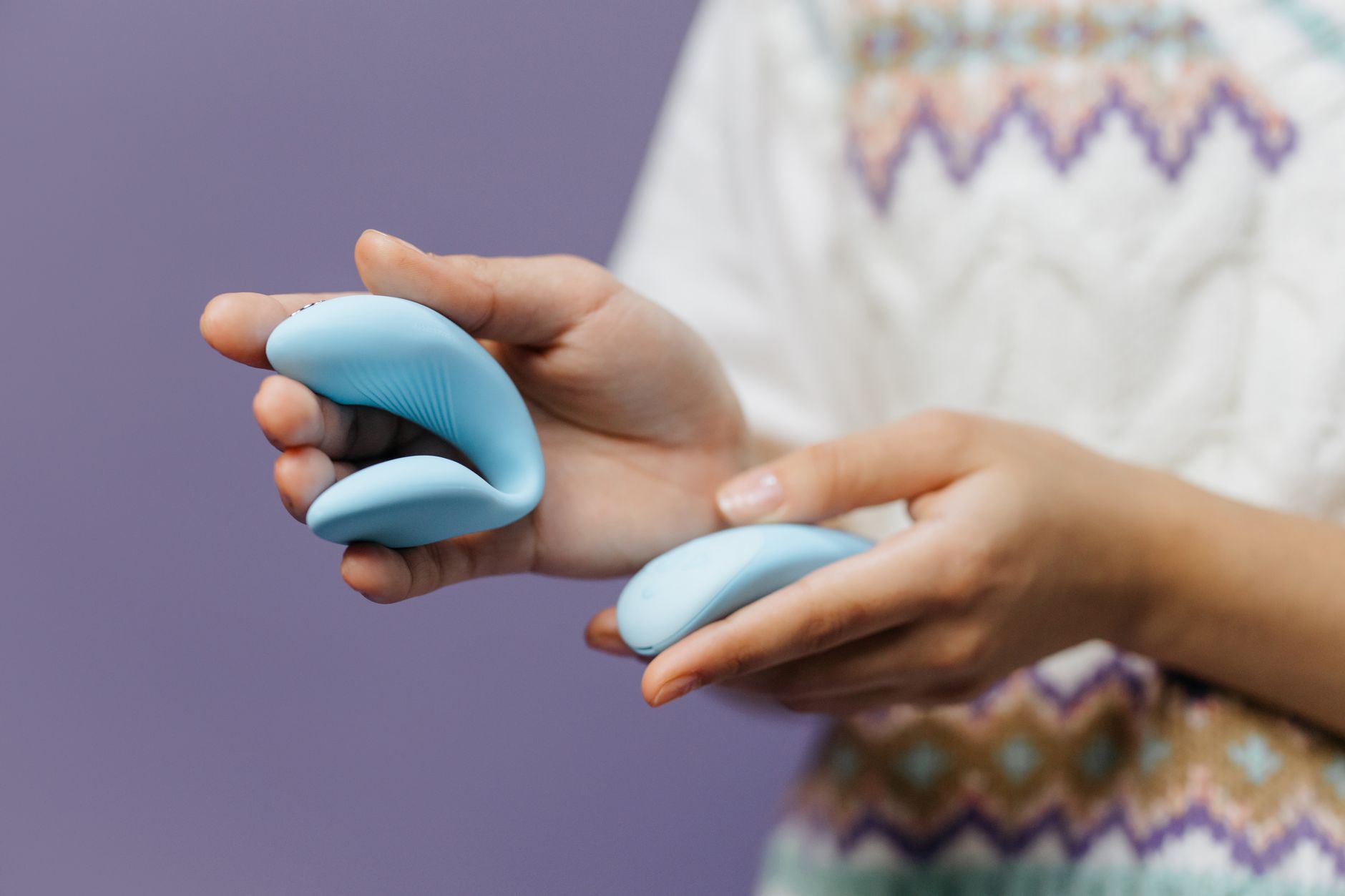
Here's the thing about pelvic floor tension and pleasure
A tight pelvic floor and lemon vibrators can absolutely work together. Most people assume that tension down there is a barrier to using sex toys, but honestly, the opposite is often true. The right approach with a lemon clitoral vibrator can actually help you release that tension while building arousal in a way that feels safe and controlled.
The key is understanding what's happening in your body and adjusting how you use the device to match where you are right now, not where you think you should be.
What pelvic floor tension actually is
Your pelvic floor is a group of muscles that support your bladder, uterus, and bowel. When people talk about "tightness," they usually mean hypertonicity. That's muscular tension that won't release, even when you're trying to relax. It's not the same as strength or fitness.
This happens for lots of reasons. Stress, anxiety, a history of painful sex, childbirth trauma, or even just years of unconsciously clenching during daily life. Some people clench their pelvic floor the way others clench their jaw when they're stressed. Your body learns the pattern and locks it in.
The tension itself isn't a sign something is wrong with your ability to experience pleasure. It's just a communication problem between your nervous system and your muscles.
Why lemon vibrators are actually ideal for tight pelvic floors
Lemon vibrators, especially air-suction devices like the Lem, work differently than traditional vibrators. Instead of direct mechanical vibration that can intensify tension, suction stimulates the nerve endings around the clitoris in a way that feels less invasive. That matters when your muscles are already in a state of protection.
The suction also naturally creates a massage effect. When you apply the opening to the clitoral area, it's gently drawing the tissue slightly inward. For a tight pelvic floor, this can actually help signal to your nervous system that it's safe to soften, rather than clenching harder.
That's a fundamentally different signal than the buzz of a traditional vibrator, which can sometimes read as "threat" to an already-guarded nervous system.
How to prep your body before using a lemon vibrator
Prep is where most of the work happens. You're essentially telling your nervous system it's safe to relax before you even introduce the vibrator.
Start 10 to 15 minutes before you actually want to use the device. Lie on your back with your knees bent and feet flat on the floor. Close your eyes and breathe into your belly for a minute or two. Feel where your pelvic floor is holding tension. You don't need to force relaxation. Just notice it.
Then try this: On an exhale, imagine the muscles softening like they're melting down toward the floor. You're not "letting go" in one moment. You're inviting the muscles to gently release over several breaths. Most people feel a subtle shift after five or six breaths.
Some people find that external heat helps. A hot water bottle or heating pad on your lower abdomen for five minutes can relax the muscle group and reduce protective clenching before you start.
The pacing technique that matters most
When you introduce the lemon vibrator, start at the lowest intensity setting. On most devices, that's setting one or two. Your body has probably built an expectation that stimulation will be intense, so starting low actually helps your nervous system downshift expectations.
Apply the suction gently. You don't need to create a deep seal right away. A loose fit that lets you feel the suction without pressure is perfect. Spend the first two to three minutes just getting used to the sensation without any expectation of arousal. This is pure exploration.
If you notice your pelvic floor starting to tighten up, pause. Breathe. You're not failing. Your nervous system is just reminding you it's scared. Breathe through it for 30 seconds and try again at an even lower intensity or with the device barely making contact.
Gradually increase intensity as your body feels safer. This might take five minutes, or it might take twenty. Neither is wrong. The goal is teaching your nervous system that pleasure doesn't require clenching.
What positions work best
Your position matters more than you'd think. Lying on your back with knees bent is ideal because it naturally softens your pelvic floor. Gravity isn't fighting against relaxation.
Sitting upright can sometimes increase tension because your body tends to brace when sitting. If you do use a seated position, lean back at an angle rather than staying fully upright.
Avoid positions where you're gripping or holding yourself in place. That's just repeating the pattern of tension. Let gravity support you instead.
Using a lemon vibrator with a partner
If you're using a lemon clitoral vibrator with a partner, communication becomes even more important. Before you start, tell them exactly what you need. "I'm going to pause sometimes to breathe and reset my nervous system. That's not about you or the experience. That's me taking care of my body."
Having a partner who can slow down and check in with you removes one major source of pressure. If your partner is present and patient, that safety itself helps your pelvic floor relax.
Some people find that having their partner outside the direct experience actually helps. They might be nearby but not directly involved, which reduces the performance pressure that often increases pelvic floor tension.
Recovery and sensation building over time
Using a lemon vibrator regularly, in the way I've described, actually teaches your pelvic floor to relax more easily. Think of it as nervous system training. Each time you have an experience where stimulation doesn't require clenching, you're building a new pattern.
After a few sessions, many people notice they can move to higher intensity settings more comfortably. That's not because the device got less intense. It's because your body learned that it can release tension and still experience pleasure.
Some people find that pairing lemon vibrator use with actual pelvic floor physical therapy accelerates this process. A pelvic floor PT can teach you specific relaxation techniques that you then practice during solo or partnered pleasure. The two reinforce each other.
One note: if you're experiencing pain with a lemon vibrator or any device, that's different from tension. Pain is your body saying no. Tension is your body saying maybe, slowly. Know the difference and stop if there's actual pain.
The nervous system piece nobody talks about
Here's what I wish more people understood. A tight pelvic floor isn't usually a physical problem that needs a physical solution. It's a nervous system problem that happens to live in a physical space. Your muscles are tight because your nervous system thinks it needs to protect you.
Using lemon vibrators effectively means addressing that protection instinct. You do that through patience, breath, gentleness, and the willingness to go slower than feels natural. That's not sexy in the fantasy sense, but it's deeply sexy in the real sense, because it's you learning to trust your own body again.
Common questions about lemon vibrators and pelvic floor tension
Can I use a lemon vibrator if my doctor said I have vaginismus?
Yes, but follow the prep protocol I described above religiously. Vaginismus is extreme pelvic floor tension, usually with a pain component. A lemon vibrator can be part of your recovery toolkit, but it works best alongside professional support from a pelvic floor PT or sex therapist. Go slowly and pause often.
How long does it take to feel comfortable using a lemon vibrator with a tight pelvic floor?
That varies widely. Some people feel a shift in the first session. Others need three to five sessions before they feel genuinely comfortable. The timeline isn't a reflection of something being wrong with you. It's just how long your nervous system needs to build trust.
Should I do Kegels before using a lemon vibrator if I have tension?
No. Kegels are actually the opposite of what you need. Kegels teach your pelvic floor to squeeze. If you already have tension, you need to teach relaxation. Save Kegels for later, after your pelvic floor has learned to release.
Is suction from a lemon vibrator safe if I have a really tight pelvic floor?
Yes. Suction is gentler than vibration for tight floors because it doesn't rely on mechanical buzz that can trigger more tension. Start at the lowest setting with loose contact and work up. Your body will tell you what's comfortable.
Can pelvic floor tension get worse from using a lemon vibrator?
Only if you push through discomfort or use the device intensely before your nervous system is ready. The protocol here is specifically designed to avoid that. Listen to your body and pause whenever you feel tightening.
What's the difference between tension and just taking a while to warm up?
Tension usually feels like an active clench or a sensation of bracing. A slow warm-up feels more neutral or gradually pleasurable. If you're noticing active clenching or a gripping sensation, you have tension. If arousal is just slow but feels good, that's a warm-up.
The bigger picture
A tight pelvic floor is your body's way of saying it doesn't feel safe. Using a lemon vibrator is one way to gently teach it that pleasure can happen without clenching. But it works best when you're also addressing the underlying stress, anxiety, or relationship dynamics that created the tension in the first place.
If you're navigating pelvic floor tension alongside other relationship or life challenges, talking to a therapist or sex-positive counselor can accelerate your progress. Your physical and emotional nervous systems are connected. They heal together.
Your pleasure matters. Your body's safety matters. And you deserve both.
If you're struggling with persistent pelvic floor pain or severe tension, reach out to a pelvic floor physical therapist. They're the specialists in this. A therapist can also help you understand what emotional patterns might be living in your body. Both approaches matter, and they work best together.
Ready to explore pleasure in a way that honors your body's timeline? Let's talk about what that looks like for you. Contact Hello Nancy Avo to connect with resources that support your journey.