The plot twist nobody tells you
Most women assume orgasms get worse after 45. They don't. What changes is the path to get there. And once you understand that path, orgasms often become more intense, more reliable, and frankly more satisfying than they were in your 20s and 30s.
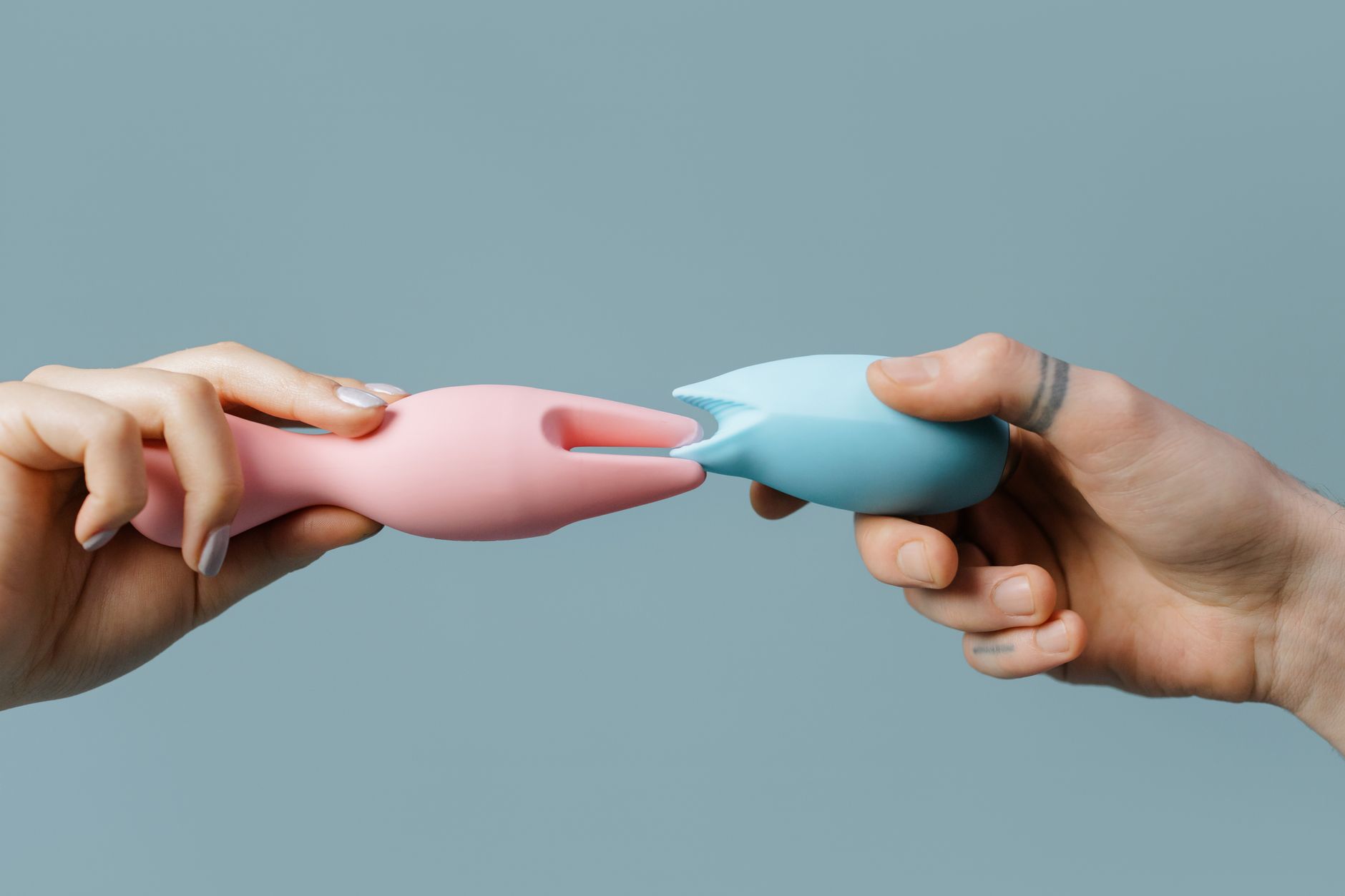
Here's the catch: getting there requires a shift in approach. Traditional vibrators that worked before might feel too much, too little, or just wrong. Lemon clitoral vibrators, which use air-suction technology instead of direct mechanical vibration, solve problems you didn't know you had.
I've worked with hundreds of women navigating this exact transition, and the story is almost always the same: "I thought I was broken. Turns out, I just needed different equipment."
What actually shifts in your body after 45
Let's get the biology straight because it matters for understanding why lem vibrators work so well.
Estrogen drops after perimenopause and menopause, which means clitoral tissue becomes thinner and more sensitive in ways that change sensation. Your clitoris doesn't shrink or stop working. Instead, the tissue becomes more delicate. The same vibration intensity that felt pleasant at 35 might feel overwhelming at 55.
Nerve density doesn't change. The neural pathways for arousal stay exactly the same. What changes is the tissue surrounding those nerves. It's like the difference between touching satin and touching crepe paper. The hand is the same. The sensation is completely different.
Lubricating capacity drops too, which affects how quickly arousal builds. But here's what people miss: this often means orgasms become more localized and intense because blood flow patterns shift. You're not losing capacity for pleasure. You're gaining specificity.
Why air-suction lemon vibrators outperform traditional vibration
Traditional vibrators rely on mechanical movement. Your skin is in contact with the vibrating surface, experiencing friction and pressure. For thinner, more sensitive tissue, this can feel janky, overstimulating, or numb-producing.
A lemon clitoral vibrator uses air-suction technology. Instead of friction, it creates gentle waves of pressure that stimulate without grinding against tissue. Think of the difference between tapping someone's shoulder versus holding their hand. Same communication. Different sensation.
For tissue that's changed with age, this matters wildly. Air-suction doesn't require the same tissue resilience that friction does. You get more direct stimulation of nerve clusters with less mechanical strain. Most women over 45 who switch from traditional vibrators to lemon vibrators report that sensations feel sharper, more pleasurable, and less exhausting to achieve.
One more thing: lemon vibrators have variable intensity patterns, usually starting low. You can build arousal gradually without forcing tissue to adapt to intensity it's not ready for. That control alone changes the game.
The emotional part is often bigger than the physical part
Honestly though, the physical changes are half the story.
After 45, a lot shifts emotionally. You've probably spent decades calibrating your pleasure around someone else's needs, timeline, or preferences. Perimenopause and menopause often bring a strange gift: permission to stop doing that. Your body is already changing. You might as well change how you approach pleasure too.
Women I work with often report that their most satisfying orgasms happen after they stop trying to perform them the old way and actually explore what their bodies want now. That exploration almost always involves clearer communication with partners (if they have them) and honesty about what feels good in real time. Not what used to work. What works now.
A lemon clitoral vibrator becomes part of that recalibration. It's a permission slip to try something new. It's also evidence that there's nothing wrong with you. Your body evolved. Your tools just need to evolve too.
What the recovery period actually looks like
If you're coming to a lemon vibrator after years with traditional vibrators, expect a small adjustment window.
Your clitoris has likely adapted to certain input patterns. Air-suction feels radically different, which means your nervous system might take 3 to 5 sessions to fully trust it. That's normal and actually healthy. You're not losing sensation. Your body is learning a new language.
Start with the lowest setting. Spend time just exploring the sensation without pressure to orgasm. Many women say that once they relax into the experience, orgasms show up faster and feel stronger than before.
The biggest mistake is comparing it to what you remember from 20 years ago. Don't. Your body isn't the same body. You're not supposed to feel the same thing. You're supposed to feel something better suited to who you are now.
Why lemon vibrators work particularly well during hormonal recovery
If you're in early menopause, perimenopause, or on hormone therapy, your body is in a transition state. Hormone levels fluctuate, tissue sensitivity shifts day to day, and what felt amazing last week might feel off this week.
A lemon clitoral vibrator's adjustable intensity becomes invaluable here. You can dial sensation up or down depending on what your body needs on any given day. You're not locked into a one-size-fits-all vibration pattern.
Many women also report that air-suction feels less draining. Traditional vibrators can leave tissue slightly inflamed if used at high intensity regularly. The gentler pressure of a lemon vibrator means you can use it more frequently without sensitivity loss. Over time, that consistency actually improves sensation rather than degrading it.
If you're taking hormone replacement therapy, your recovery timeline might look different than someone who isn't. The combination of returning estrogen and the right equipment often creates a compounding effect where pleasure improves pretty quickly.
Building confidence after sensation loss or past disappointment
Some women come to lemon vibrators after experiencing real sensation loss. Maybe they've been on certain medications. Maybe they spent years with a partner who didn't prioritize their pleasure. Maybe they've just convinced themselves that good orgasms are a younger woman's game.
All of that is valid. And almost all of it shifts once you experience what air-suction actually feels like.
I had a client who spent two years convinced her body was broken. She'd tried three different traditional vibrators, nothing clicked, and she'd basically decided that chapter was closed. She tried a lemon clitoral vibrator almost as a lark. Her words: "It was like someone finally translated what my body was trying to say."
That's the most common reaction I hear. Not "it's fine," not "it's good." It's relief. Recognition. Permission to enjoy pleasure again without fighting your own body.
The partner conversation, if there is one
If you're in a relationship, integrating a lemon vibrator often opens conversations that have been stuck.
Most partners want to please their partner and feel a little lost when sensation shifts. Having equipment that works becomes a shared win. It's not "my body is failing." It's "here's how we both feel better." That mindset shift is surprisingly powerful for reconnection.
Some couples find that bringing a lemon vibrator into partnered sex adds novelty and play after years of routine. Others use it solo as a confidence-building tool before coming back to partnered intimacy. There's no right way. The right way is whatever makes both people feel good and respected.
Frequently asked questions
Does switching to a lemon vibrator mean I've lost sensitivity permanently?
No. If you've been using high-intensity traditional vibrators for years and felt sensation loss, that's usually temporary and reversible. Taking a break and switching to a gentler approach like air-suction usually restores sensation within a few weeks. Your nerves are resilient. They just need a reset.
Will a lemon clitoral vibrator work if I'm on antidepressants or hormone therapy?
Most medications that affect arousal don't affect orgasm capacity itself. Antidepressants can make orgasms harder to reach but not impossible. A lemon vibrator's adjustable intensity and air-suction approach often help bypass that friction. Hormone therapy usually improves tissue health and sensation fairly quickly, so you might find that results improve over the first few months. Every person responds differently, but it's absolutely worth trying.
Is 45 too late to start using vibrators if I never have before?
Absolutely not. If anything, 45 is an ideal starting point because your body has changed enough that you're past performance pressure and clear about what you want. A lemon vibrator is a gentler introduction than traditional vibrators, so it's a smart first choice.
How often can I use a lemon clitoral vibrator without losing sensation?
Daily use is fine. Unlike traditional vibrators, air-suction technology doesn't create the same numbness risk because it's not creating repetitive friction. Many women use lemon vibrators daily or several times a week without sensation loss. If you do notice dulling, just take a week off and your sensitivity usually bounces back.
Can I use a lemon vibrator if I have vaginismus or pelvic floor tension?
Yes, and it's often helpful. Because air-suction doesn't require deep penetration or pressure, it can work well for people with pelvic floor tension. The key is starting at the lowest setting and giving your body time to relax. For some women with vaginismus, the gentleness of a lemon vibrator makes it their first positive experience with any vibrator.
What if a lemon vibrator still feels too intense?
Try the lowest setting for longer. Some women need 5 to 10 minutes of very gentle sensation before their body is ready for anything stronger. You're not building toward intensity. You're exploring sensation. Patience usually wins here.
The bottom line
Your body at 45, 50, 55 is not broken. It's different. And different often means better once you have the right tools and expectations.
A lemon clitoral vibrator works particularly well for this transition because it's designed for tissue that's changed. You're not fighting your body anymore. You're working with it. And that's when orgasms become less performative and more genuinely satisfying.
If you're curious, start low, give yourself permission to explore without pressure, and see what happens. Most women find that the orgasm they get at 50 with the right equipment beats anything they experienced at 30.
Your pleasure matters. Your body deserves tools that actually work for it now. That's not settling. That's evolution.
If you'd like to explore this more or talk through what might work for your specific situation, we're here to help. Reach out anytime.