
How to Use a Lemon Vibrator When You Have Pelvic Floor Tension or Pain
Pelvic floor tension is weirdly common and almost never talked about. You're trying to have pleasure, something you're touching starts to feel tight or even painful, and then everything stops. The instinct is usually to assume you need to push through it or that something is fundamentally wrong with your body. Neither is true.
The pelvic floor is a group of muscles, like any other. When they tighten habitually (from stress, trauma, posture, or just chronic tension), they stay locked even when you want them to relax. A lemon clitoral vibrator can actually help unlock that pattern, but only if you use it the right way.
What pelvic floor tension actually is
Your pelvic floor muscles form a sling underneath your pelvis. They're responsible for bladder control, supporting your organs, and yes, pleasure. When they're healthy, they contract and release smoothly. When tension builds, they stay somewhat contracted even at rest. It's like having a perpetually clenched fist inside your body.
This tension can come from several places. Stress and anxiety often live in the pelvic floor first. Past trauma, medical procedures, or pain during sex can create protective tension that your body holds onto even years later. Poor posture, sitting for long periods, or even intense abdominal workouts without proper breathing can contribute.
The kicker: the tighter the muscles are, the harder it is to feel pleasure. This creates a frustrating loop. You want to relax, but the thing that would help you relax (stimulation) is uncomfortable precisely because of the tension. A lemon vibrator breaks that loop in a specific way.
Why lemon vibrators help when other toys don't
Traditional vibrators work primarily through vibration alone. If your pelvic floor is tight, direct vibration can actually increase tension rather than release it. Your muscles respond to the stimulation by contracting harder as a protective reflex.
Lemon suction vibrators work differently. Instead of pure vibration, they use gentle air-pulse technology that mimics the sensation of suction without aggressive mechanical movement. This gentler approach doesn't trigger the protective tightening response that direct vibration can. You're getting sustained stimulation without the jarring intensity.
For someone with pelvic floor tension, this difference matters enormously. The suction sensation works at the level of nerve endings in your clitoris, which means you can feel pleasure without the intense muscle engagement that makes tension worse.
The warm-up that actually makes a difference
You cannot skip the warm-up. I know that sounds obvious, but most people either don't do it or do something too quick to actually work.
Start 20 to 30 minutes before you plan to use a lemon vibrator. Your nervous system needs time to shift from sympathetic (fight-or-flight) to parasympathetic (rest-and-digest). Here's what helps:
Breathing first. Spend 5 minutes on slow, intentional breathing. Inhale for a count of four, hold for four, exhale for six. Long exhales activate the vagus nerve and signal safety to your body. Your pelvic floor will literally relax more when your nervous system feels safe.
Heat next. A hot bath, shower, or heating pad applied to your lower abdomen loosens tissue and blood vessels. Fifteen minutes is enough. The warmth also signals comfort to your system.
Gentle internal stretching. Once you're warm and relaxed, lie on your back with knees bent and try this: slowly and gently press your fingers about an inch inside the vaginal opening and press downward and outward, like you're trying to stretch the opening wider. Hold for 20 to 30 seconds. Release. Do this 4 to 5 times. You're teaching your pelvic floor that opening is safe.
After this sequence, your pelvic floor will be noticeably more relaxed. This is when you pick up a lemon vibrator.
How to actually use a lemon suction toy with tension
Start at the lowest setting. I mean the actual lowest. Many people assume the first button is the lowest, but check your specific toy. With tension, you're not looking for intensity. You're looking for consistent, gentle stimulation that helps your nervous system stay in rest mode.
Place the toy gently and don't press hard. The whole point of a lemon clitoral vibrator is that you don't need pressure. Let the suction do the work. If you find yourself pressing or tensing around the toy, you're not relaxed enough yet. Stop and do another round of breathing.
Keep your breathing going throughout. This is key. Holding your breath = pelvic floor tension. Slow exhales = pelvic floor relaxation. If you catch yourself holding your breath, pause and breathe for 20 seconds before continuing.
Expect the session to take longer than you think. Pleasure when you have pelvic floor tension isn't about speed. It's about your body gradually learning that this sensation is safe and that relaxation is possible during stimulation. This can take 20 to 45 minutes. That's completely normal and actually a sign it's working.
The patterns that keep tension locked in
If you've been holding pelvic floor tension for months or years, your body has built neural pathways around it. Pleasure situations automatically trigger bracing. This isn't something a lemon vibrator alone will fix in one session.
But regular, gentle use does rewire those pathways. Your nervous system learns: "Okay, this situation is safe. I don't need to clench." After consistent practice over a few weeks, the reflex softens. Your baseline tension lowers.
This is also where partnered work or pelvic floor physical therapy can help dramatically. If you have access to a pelvic floor PT, going 4 to 6 times can reset your baseline in weeks rather than months. But even without that, consistent, patient use of a lemon vibrator will create change.
What you shouldn't do
Don't try to push past sharp pain. Discomfort is sometimes part of the process (it means you're working with tension), but sharp pain is a signal to stop. If pain appears, pause and just breathe for a few minutes.
Don't use this as a substitute for help if pain is severe or persistent. If you have vaginismus, endometriosis, or a history of pelvic trauma, a pelvic floor physical therapist should be part of your plan. A lemon vibrator is a tool within a bigger approach, not the whole solution.
Don't assume you're broken if this takes time. Pelvic floor tension often reflects stress or past experiences that live in your body. Unwinding it is a bit like learning to relax a chronically tight muscle anywhere else. Consistency and patience matter more than any single session.
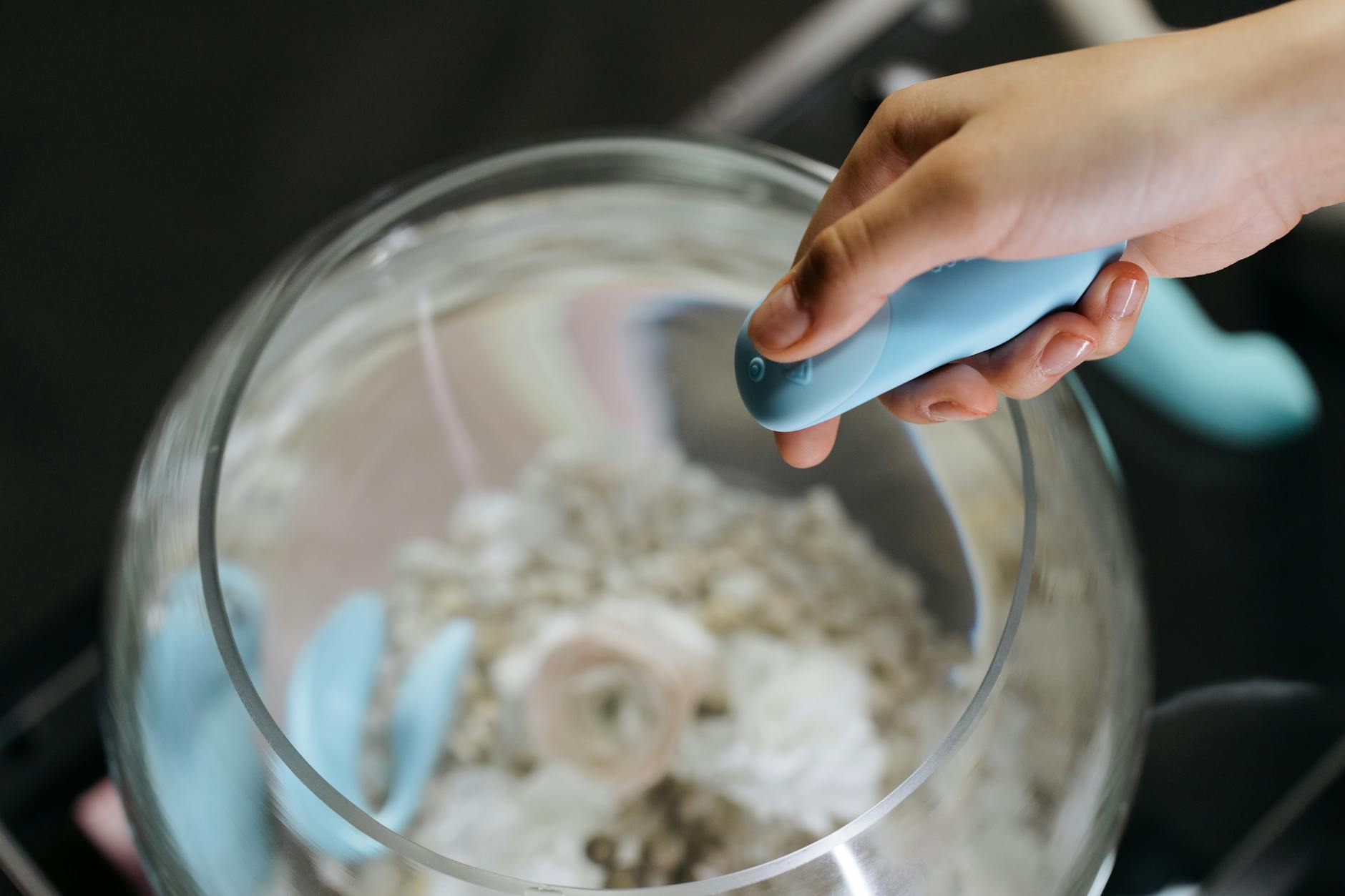
Photo by cottonbro studio on Pexels
Building a routine that works
After the first successful session, aim for 2 to 3 times per week. More isn't better. Consistency is. Your nervous system learns from repetition, not from intensity.
Keep the same warm-up before each session. Your body will start recognizing the ritual as a cue to relax. After a few weeks, you might find that you need less warm-up time because your pelvic floor starts anticipating relaxation.
If you hit a plateau where pleasure isn't deepening, try changing the lemon vibrator's intensity slightly or the position you're using. Small variations help prevent your system from getting too used to one stimulus pattern.
If you're working with a partner, how to use a lemon vibrator during sex with penetrative partners has specific strategies for incorporating this into shared intimacy without triggering tension spikes.
When pelvic floor relaxation opens up pleasure
After consistent work, most people report a noticeable shift. Pleasure becomes easier to find. Orgasms often feel deeper and more full-body rather than localized. You might also notice less tension during everyday activities, better bladder control, and less pain with penetration if that was an issue.
You're not fixing anything that was broken. You're training your nervous system to recognize that pleasure is safe. A lemon vibrator, used with this approach, is an incredibly effective tool for that training.
Your body deserves this attention and care. Pelvic floor tension is real, but it's also incredibly treatable. Patient, consistent work with the right tool makes a measurable difference.
FAQ: Using a Lemon Clitoral Vibrator With Pelvic Floor Tension
Will using a lemon vibrator make my pelvic floor tension worse?
No, if you use it with the approach outlined above. In fact, it's the opposite. A lemon clitoral vibrator's gentle suction stimulation, combined with the nervous system shifts that come from warm-ups and breathing, actually helps pelvic floor muscles relax. The key is starting at the lowest setting and avoiding high pressure. If you're pressing hard or clenching around the toy, you need more warm-up time. But gentle, consistent use breaks the tension pattern rather than deepening it.
How long before I feel a difference?
You'll probably feel relaxation during the session itself if your warm-up works. But the bigger shift—where your baseline pelvic floor tension actually lowers—usually takes 4 to 6 weeks of consistent use (2 to 3 times per week). Your nervous system rewires slowly. That's not a drawback; it means the changes tend to stick.
Can I use a lemon vibrator if I have diagnosed vaginismus?
Vaginismus (involuntary pelvic floor clenching) benefits from a very specific progression, and a lemon vibrator can absolutely be part of that. But you should work with a pelvic floor PT who can give you a personalized plan. Usually, the first steps involve internal relaxation exercises before introducing any external stimulation. Once your PT clears you to start with toys, a lemon suction vibrator's gentle approach is often an excellent choice compared to more intense vibrators.
Does the lemon vibrator's setting matter more than the warm-up?
The warm-up matters more. Your nervous system state determines whether stimulation feels good or triggers tension. You could have the most expensive lemon clitoral vibrator at the highest setting, but if your pelvic floor hasn't been given time to relax, you'll feel discomfort. Conversely, the lowest setting on a simple lemon vibrator, combined with proper breathing and warm-up, often brings relief and pleasure. The tool is secondary to the nervous system state.
What if breathing feels awkward or distracting during use?
That's actually common at first. You're adding a conscious task to something usually intuitive. Start with just noticing your breath without trying to change it. Once you're comfortable, shift to the slow exhale pattern. It might take a few sessions before it feels natural. But once it does, the difference in how your pelvic floor responds is dramatic.
Can pelvic floor tension be related to relationship stress or emotional issues?
Completely. The pelvic floor is where your nervous system often stores stress and unprocessed emotion. If you're in a relationship with unresolved tension, or you're carrying grief or anxiety, your pelvic floor will hold that tension. Using a lemon vibrator can help with the physical release, but addressing the emotional layer—often with a therapist or counselor—speeds the whole process. Pleasure and emotional safety are intertwined. If you'd like guidance on rebuilding emotional connection with a partner, lemon vibrators for couples reconnecting after major life transitions covers that territory.
Is it normal to feel no pleasure the first time even with the warm-up?
Yes. Your body is learning that pleasure is safe during a period when it's been tensing as protection. The first few sessions might feel more like "interesting sensation" than obvious pleasure. That's still progress. Your nervous system is getting the message. Pleasure usually deepens once the protective tension starts releasing, which takes a couple of sessions. Stay consistent and patient.
Pelvic floor tension is treatable. A lemon vibrator, combined with the right warm-up and breathing work, is a practical tool that helps your body relearn how to relax during pleasure. The key is patience and consistency, not pressure or intensity.
If you're struggling with persistent pelvic tension or pain, reach out to us or consult a pelvic floor physical therapist. You deserve pleasure that feels genuinely good, not just technically possible.