Let's talk about what surgery actually takes from you
Any surgical procedure in or near the pelvic region changes sensation. Sometimes it's temporary numbness. Sometimes it's sharp sensitivity where there wasn't any before. Sometimes pleasure feels distant, muted, or just different. What most people don't hear is that this is not permanent, and it's not a sign something went wrong. It's how nerve tissue heals.
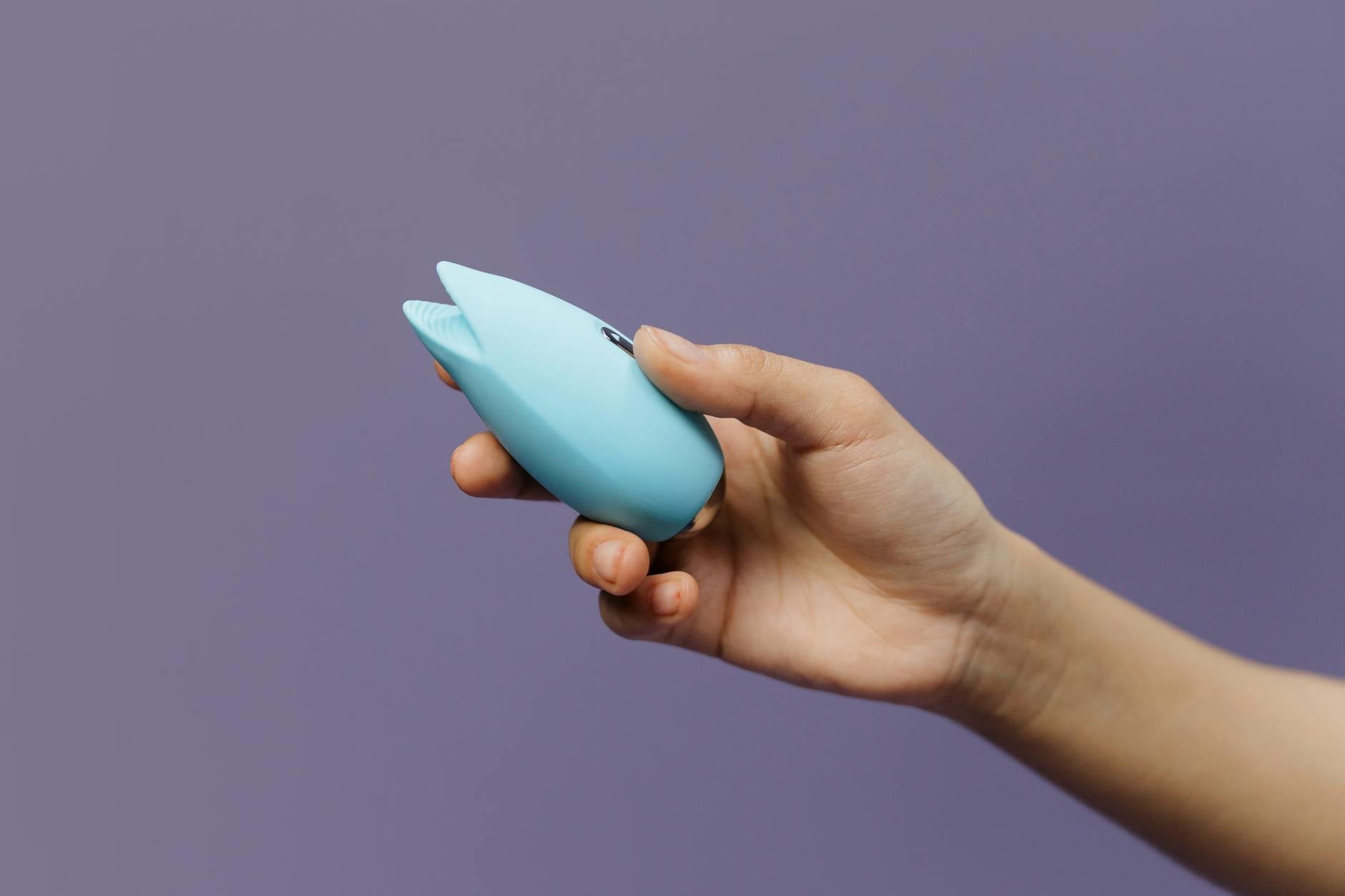
When you're ready to explore sensation again, the tool matters. Not all vibrators feel the same during recovery, and some can actually slow down your nervous system's ability to recalibrate. Lemon vibrators work differently than traditional vibration, which is why so many of my clients find them easier to work with postoperatively.
Why sensation changes after pelvic surgery
Surgery disrupts nerve pathways, temporarily deadens nerve endings, and creates inflammation while tissues heal. This is not damage. It's your body's natural response to trauma, and it resolves over time. The timeline varies wildly depending on the procedure. Minimal-invasive laparoscopy might restore sensation in weeks. More extensive surgery can take months.
What actually matters is understanding the phases. The early phase is about not irritating healing tissue. The middle phase is about nerve reawakening, which often feels uncomfortable or weird. The late phase is when you can gradually reintroduce sensation and rebuild pleasure.
Trying to use any vibrator too early is like running on a healing stress fracture. You're not being patient. You're being counterproductive.
The difference between lemon suction and vibration during recovery
Traditional vibrators rely on rapid movement to stimulate nerves. After surgery, this can feel overwhelming, painful, or numb all at once because the nerves aren't ready for that frequency of input. Lemon clitoral vibrators use gentle suction instead. This creates sustained pressure rather than repeated impact.
Why does that matter during recovery? Two reasons.
First, suction provides a different kind of nerve stimulation that doesn't require the tissue to be in perfect working order yet. You're not asking damaged nerves to fire in rapid succession. You're asking them to respond to gentle, continuous pressure.
Second, with suction you have much finer control over intensity. On a traditional vibrator, your choices are basically on or off. With a lemon vibrator, you can work at patterns 1 through 3 for weeks before moving to stronger settings. That graduated approach is exactly what your nervous system needs during recovery.
The four-phase timeline for reintroduction
I walk my clients through this framework, and it helps them know when they're actually ready to move forward.
Phase One: Clearance (Week 0-6). Your surgeon says it's fine. You're still not ready. Pain is still present, or numbness is complete. Stick to nothing at all. This is not the time to explore. Trust me.
Phase Two: Gentle reawakening (Week 6-12). Sensation is starting to come back, but it feels foreign or uncomfortable. If you're going to use anything, this is when a lemon clitoral vibrator on its lowest setting (pattern 1) makes sense. Two minutes maximum. Expect it to feel odd. Expect it not to feel good yet. The goal is nervous system recalibration, not orgasm.
Phase Three: Building tolerance (Week 12-20). You can tolerate sensation without discomfort. Numbness is fading. You're ready to experiment with longer sessions and slightly higher patterns. This is when most people actually start feeling pleasure returning. A lemon vibrator lets you stay in pattern 2-3 for extended periods, which is where real sensation work happens.
Phase Four: Integration (Month 6+). You're mostly healed. Sensation is largely back. You can use full-strength settings and experiment with what actually feels good. You're no longer thinking about recovery. You're just enjoying pleasure again.
Every person heals differently. Your phase two might last eight weeks. Someone else's might be sixteen. The point is honoring what your body actually needs, not what you think you should be ready for.
Practical steps for safe reintroduction
If your surgeon has cleared you and you're ready to try again, here's exactly how I guide clients through it.
Start fully clothed. Yes, really. In phase two, you're not trying to experience direct stimulation. You're trying to let your nervous system remember that sensation is okay. A lemon vibrator through underwear and pants gives you that without the intensity. Use it for thirty seconds. Stop. Notice how you feel. Wait an hour. Do it again.
Keep the lemon vibrator at pattern 1 for as long as you can stand it. Boring is healing. The urge to skip ahead to "real" pleasure will be strong. Resist it. Pattern 1 is doing work in your nervous system even if it doesn't feel remarkable.
Use lube from phase three onward. Post-surgery tissue is sometimes drier than usual. Water-based lubricant makes sensation feel less intense and strange. It also protects healing tissue from friction.
Never push through pain. Discomfort that fades within minutes is normal. Sharp pain, burning, or intense soreness is not. Stop, wait, and contact your surgeon. Pleasure is always optional. Health is not.
Track what feels okay. Keep a simple note on your phone. "Pattern 1, five minutes, felt weird but not bad." Over weeks, you'll see the pattern. You'll know when you're actually ready to move forward.
Why lemon vibrators beat other toys for recovery
I often recommend a lemon vibrator over traditional clitoral vibrators for post-surgical clients because of how much control you have. A standard vibrator on low is still faster than a lemon vibrator on low. The suction mechanism gives you graduated intensity that matches the slow pace of nervous system recovery.
The other reason is psychological. You can feel like you're exploring pleasure again without the pressure to perform or feel something specific. A lemon sucker doesn't demand an orgasm. It just invites sensation. That permission to go slow changes everything.
The emotional part nobody talks about
Surgery affects more than physical sensation. It often comes with grief about your body, anxiety about whether pleasure will return, and sometimes resentment toward the partner who couldn't be patient during recovery. These feelings are real and they matter just as much as the physical healing.
If you have a partner, this is worth discussing explicitly. "I'm starting to reintroduce sensation. I'm not doing this to have sex with you yet. I'm doing this to rebuild my relationship with my own body." That boundary matters. It keeps you from feeling like you're on a timeline that isn't actually yours.
Some people find that solo exploration with a lemon vibrator actually helps them reconnect with their body in a way they couldn't with a partner present. The pressure to respond disappears. You get to discover what feels good on your own terms. That's not selfish. That's actually the smartest thing you can do for your long-term pleasure and your relationship.
When to involve a specialist
If six months have passed and sensation still hasn't returned, or if pain is persistent and worsening, talk to your surgeon again. Sometimes scar tissue needs attention. Sometimes a physical therapist trained in pelvic health can help. Sometimes there's an actual issue that needs addressing, not more patience.
If you're feeling anxious or depressed about the changes to your body, that's also worth discussing with a therapist or counselor. Surgery can trigger real emotional wounds that separate from the physical healing. Pleasure isn't just about what you feel physically. It's about feeling okay in your body at all.
The fact that you're thinking about this at all means you haven't given up on pleasure. That matters more than you probably realize. Be patient with your body. The sensation comes back. The pleasure comes back. It just takes time and the right approach.