Lemon Vibrators for Couples Rebuilding Connection After Life Transitions
When a move, job loss, illness, or grief shakes your relationship, shared pleasure can rebuild what stress broke. Here's how lemon clitoral vibrators fit into that work.
A promotion that requires relocation. A job loss. An illness or surgery. The death of a parent. A cross-country move for a partner's dream. These aren't small things. They're tectonic shifts that remap everything.what happens in the bedroom is never just about the bedroom. When your external life destabilizes, the first thing most couples lose is physical connection. Not because they've stopped loving each other, but because their nervous systems are in survival mode. Touching feels like too much. Sex feels impossible. And then weeks turn into months, and silence settles in.
I've worked with hundreds of couples navigating these transitions. The pattern is always the same. Partners withdraw. They stop initiating. They assume the other person isn't interested anymore. And by the time they realize they've drifted, reconnecting feels terrifying.
What I've found is that couples don't need to jump straight back to sex. They need a bridge. Something that feels lower-stakes than traditional intimacy but opens a door back to each other's bodies. This is where shared pleasure tools, especially lemon vibrators and other clitoral vibrators from Hello Nancy Avo, become unexpectedly powerful.
When your life feels unstable, your body interprets touch as a demand you don't have bandwidth to meet. This isn't rejection. It's physiology. Your amygdala is activated. Your cortisol is elevated. Sensuality requires safety, and safety feels distant.
Partners often mistake this for a deeper problem. "They're pulling away because they don't want me anymore." Or, "I'm not attracted to them anymore." Sometimes neither is true. You're both just contracted. Bracing.
The second piece is vulnerability. After grief, job loss, or major life upheaval, partners often feel less sexy to themselves. You've been crying. You've been anxious. Your body doesn't feel like a source of pleasure. It feels like the thing carrying you through crisis. Opening it up to a partner feels risky when you're already raw.
A shared pleasure tool changes the script. It's not about proving you're still attractive or performing your sexuality. It's about saying, "I want to feel good with you. Even in this mess."
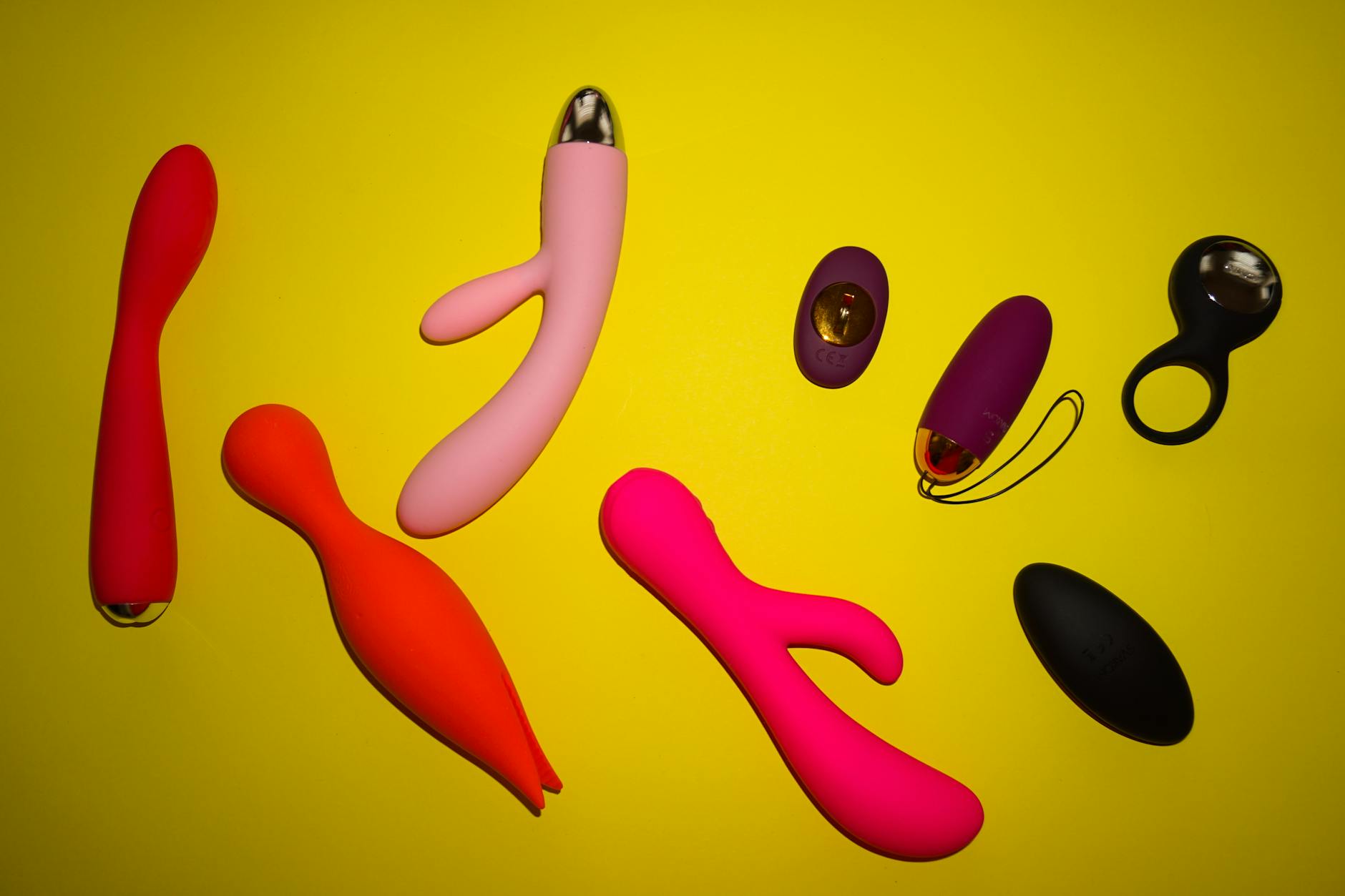
The suction technology in lemon clitoral vibrators works differently than traditional vibrators. Instead of deep rumbling vibration, they use gentle pulsing suction that mimics oral stimulation. For couples rebuilding after stress, this matters because suction feels more intimate and playful than aggressive vibration. It's less clinical. More connected.
A partner can hold the lemon vibrator. Explore it together. Watch how your body responds. There's curiosity in that. Tenderness. You're not performing. You're investigating pleasure as a team.
Photo by FounderTips on Pexels
Start small. Introduce the lemon vibrator as a curiosity, not a main event. "I read about this. Want to try it together?" Lower the stakes. Make it about exploration rather than outcome. Many couples find that the novelty itself is enough to shift the energy. You're doing something new together. You're being a little playful after weeks of heaviness. That alone can soften the distance.
Three things happen when couples introduce shared pleasure tools during transition recovery.
First, you rebuild touch confidence. After weeks of not touching, your skin forgets how to receive pleasure. A lemon vibrator reintroduces sensation gradually. The person with the vibrator gets to move at their own pace. The partner holding the toy feels agency. You're both rebuilding the neural pathways for pleasure in a low-pressure way.
Second, you create shared experience. Grief and stress are isolating. When you're each processing privately, you feel alone even in the same room. Exploring pleasure together isn't a distraction from the hard stuff. It's proof that you still exist in joy together. That you haven't just become survival partners.
Third, you interrupt the avoidance loop. The longer couples avoid physical connection, the more impossible it feels. A small act of shared pleasure breaks that cycle. It says, "We still do this. We still can." Momentum builds from there.
Don't introduce a lemon vibrator when someone is in acute crisis. During the first weeks of job loss or grief, pleasure probably isn't on the table. But after the acute wave passes, when life has restabilized enough to breathe, that's the opening.
And don't do it without talking first. "I've been thinking about us. I miss touching you. I found this thing I think we'd enjoy exploring together. Would you be open to that?" Direct, vulnerable, specific. No pressure.
The person receiving the suggestion might need time to sit with it. They might feel self-conscious. They might worry about performance. Acknowledge all of that. "We don't have to be good at this. It's just us trying something together."
Expectations shift everything. If you're both expecting mind-blowing orgasms, you're adding pressure when pressure is the last thing you need. If you're approaching it as gentle reconnection, you've already won.
After certain life transitions, bodies become more sensitive emotionally and physically. Surgery recovery, hormonal changes triggered by stress, or just the general fragility of being shaken all mean that direct intense vibration can feel aggressive or even painful.
Lemon vibrators use suction rather than penetrative vibration. That distinction is huge for bodies that need gentleness. You can start on the lowest setting. You can experiment with rhythm. The suction feels novel and intimate without being overwhelming. For couples navigating vaginismus or pain during intimacy, this becomes especially valuable.
Once you've introduced shared pleasure tools into your reconnection, consider making it a ritual. Not every night. But once or twice a week, "This is our time. We're exploring together." Rituals matter because they take decision-making off the table. You're not negotiating every time. You've already committed.
These rituals become anchors during continuing transitions. Another move coming? You've already got your rhythm. A health scare? You know how to show up physically for each other.
Couples tell me these sessions become their favorite time together. Not because the orgasms are the best, but because there's no other agenda. No work stress looming. No family logistics to manage. Just two people, a lemon vibrator, and permission to feel good together.
Don't use pleasure tools as a band-aid for deeper relationship ruptures. If the transition has surfaced incompatibility or resentment that runs deeper than stress, a vibrator won't fix that. You might need couples counseling. That's not failure. That's honesty.
Don't introduce this if one partner is resistant. Pressure turns tools into weapons. If someone's not interested, keep talking. Maybe they need more time. Maybe they need something different. The goal is reconnection, not convincing.
Don't expect immediate results. Sometimes the first time feels awkward. That's normal. You're learning each other's pleasure again. That takes repetition and permission to be imperfect.
If you've tried shared pleasure tools and the distance persists, that's the moment to consider therapy. A couples counselor can help you name what's actually blocking reconnection. Sometimes it's not the stress itself. It's how you're processing it separately. Sometimes it's old wounds that the transition triggered.
That work is separate from pleasure. But it often clears the space where pleasure becomes possible again. You address the psychological distance. The physical connection follows naturally.
Start with curiosity, not expectation. "I've been reading about these and I'm intrigued. Want to explore together?" Frame it as adventure, not performance. Let them hold it, feel it, ask questions. Watch how it works on you if that helps them feel less self-conscious. The first time is about familiarity, not outcomes.
A vibrator can't fix deep incompatibility or unresolved conflict. But it can create a moment of connection that reminds you why you're together. If the struggle is specifically around physical distance due to stress or transition, it can be a meaningful bridge. If the struggle is about fundamental misalignment, you need couples therapy first.
That's important information. Explore why gently. Is it shame? Anxiety? Discomfort with toys? Different desire levels? You're not trying to convince them. You're trying to understand what's actually getting in the way. Sometimes people need time. Sometimes they need education. Sometimes they're just genuinely not interested, and that's okay too.
There's no rule. Once a week is enough to rebuild connection. Some couples prefer twice weekly. Others find once monthly enough. The consistency matters more than frequency. You're creating a reliable moment of intimacy. That predictability is healing.
Yes, absolutely. You don't have to have processed the move or the job loss to want physical connection. In fact, pleasure can be a respite from the processing. A moment where you're just together without the weight. That's healthy and important.
First time awkwardness is completely normal. You're learning new territory together. Give it two or three attempts before deciding it's not for you. And "not for us" is a valid conclusion too. There are lots of ways to reconnect. This is one tool. If lemon vibrators don't fit, something else will.
Life transitions will keep happening. Job changes, moves, illness, grief, family shifts. You can't control whether they come. But you can control how you show up for your partner when they do.
Shared pleasure tools like lemon clitoral vibrators from Hello Nancy Avo aren't a cure-all. But they're a conversation starter. They're permission to prioritize connection when the world is pulling you apart. They're a way of saying, "We're still us. And I want to feel good with you."
That's the bridge that matters. Everything else builds from there.
If you and your partner are struggling to reconnect after a major life transition and traditional approaches aren't working, reach out to explore how professional support can help. Sometimes the bridge is therapy first, pleasure second. And that's exactly right.