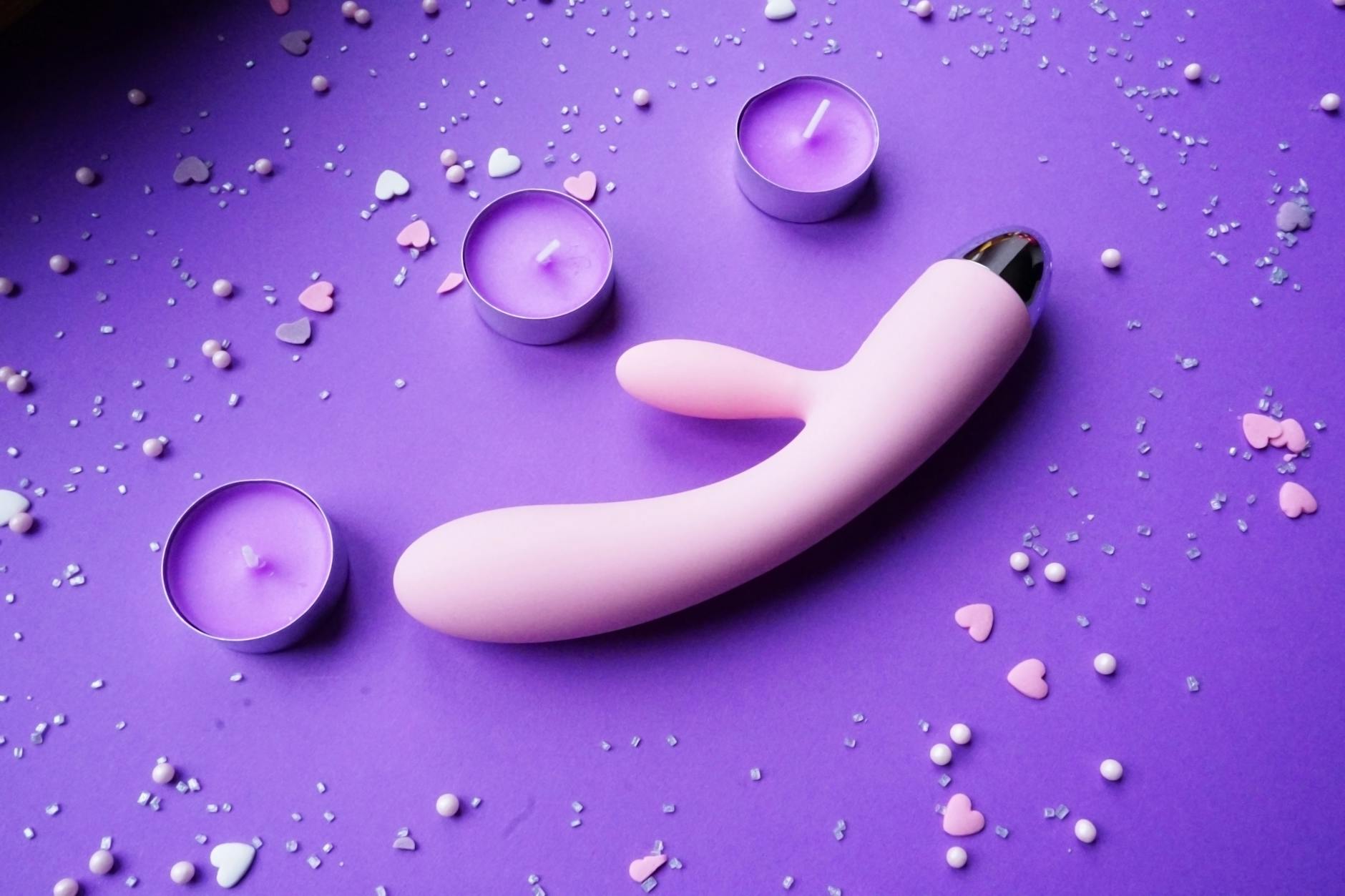
Here's what nobody tells you about big life changes and sex
A job loss lands. A sudden move happens. Someone gets a diagnosis. Within weeks, the physical intimacy that once felt natural starts to feel impossible. Not because you stopped loving each other. Not because desire vanished. But because the baseline of safety, stability, and presence needed for connection got torn up.
I've worked with hundreds of couples navigating this exact moment. The pattern is consistent: they feel guilty for "not being in the mood," they avoid touching altogether to sidestep the awkwardness, and six months later they're looking at each other like roommates. The gap grows because nobody knows how to bridge it.
The good news is that gap is recoverable. And one of the most effective ways I've found to start rebuilding that bridge is through intentional, supported touch. Lemon clitoral vibrators, specifically, have become a surprisingly powerful tool in this work. Not because a toy fixes grief or uncertainty. But because they create a frame where pleasure can exist alongside everything else you're going through.
Why major transitions wreck intimacy (and it's not what you think)
When external stability crumbles, your nervous system locks down. This isn't a choice. It's survival biology. Your body is in resource-conservation mode. Digestion gets slower. Sleep gets fragile. And yes, sexual response becomes nearly impossible to access because from your body's perspective, this is not the moment for pleasure.
Add to that the mental load. A relocation means researching schools and estimating timelines. Job loss means financial conversations that spiral at 3 a.m. Grief means your partner is grieving too, and sometimes it feels unsafe to want anything when someone you love is in pain.
The third layer is relational. You're both stressed. You're both touched out or withdrawn. Someone tries to initiate, feels rejected, and stops trying. The other partner misinterprets silence as rejection and pulls back further. Within weeks, physical intimacy hasn't just paused. It's become something you both avoid because the failed attempts hurt.
Lemon vibrators don't fix any of this directly. But they do something clever: they separate pleasure from the pressure to perform. You're not waiting for spontaneous desire. You're not negotiating initiation. You're creating a structure where touch and sensation can happen.
The specific ways suction toys help couples after upheaval
They require presence without requiring conversation. You don't have to have processed the job loss or the relocation to use a lemon vibrator together. You don't need to have resolved anything. You just need to be in the room. That simple presence matters.
They bypass the shame spiral. After months without sex, many people feel broken. Like their body has forgotten how to respond. A suction toy like a lemon clitoral vibrator gives you a higher chance of pleasure on the first try, which demolishes the narrative that "we're broken." You're not broken. You were just dysregulated.
They create a permission structure. Using a toy together signals that pleasure is a priority again. Not more important than processing what happened. But important. That signal alone often unfrozen the couple in ways nothing else does.
They reframe the dynamic. Instead of a partner trying to guess what will work, they're watching and learning what actually turns you on. That observation and attunement feels deeply loving in a way that's hard to describe until you're inside it.
A practical approach to starting again
If you're in this position, here's how I guide couples to make this work.
First, name the transition together. "We've been through something. And we're not as close as we were." Don't blame anyone. Don't say you need to fix it by Friday. Just acknowledge it exists.
Second, plan the timing. Not spontaneous. Not when you're both exhausted at 11 p.m. Pick an afternoon or early evening when you have maybe 45 minutes and neither of you is running on fumes.
Third, set expectations low. The goal is not an orgasm. The goal is to remember what sensation feels like. If it's awkward, that's normal. Awkward means you're trying something new together.
Fourth, use lubrication. Always. Stress depletes natural lubrication, and lemon vibrators work best with water-based lube anyway. This isn't a problem to solve. It's a setup choice. Same as setting a timer.
Fifth, start slow. If you're introducing a lemon vibrator for the first time in a reconnection, begin on the lowest setting. The sensation of suction might feel unfamiliar if it's been months since any sexual touch. Let your body remember gradually.
Sixth, talk about it after, but not immediately. Wait until you're getting dressed or having tea. "That felt weird and good" is a perfect sentence. You don't need to analyze it. Just reflect it back.
What often shifts when couples restart this way
Three things tend to happen.
First, the body remembers faster than the mind expects. One session doesn't undo months of distance. But two or three sessions, spaced a few days apart, and most couples report that touch starts to feel less scary.
Second, the conversation changes. Instead of "When are we going to have sex again," the question becomes "What do you actually like?" That's a different inquiry entirely. It's generous. It's curious. It assumes your partner is worthy of understanding.
Third, the couple starts to reconnect in other moments. Not in the bedroom. Someone reaches for their hand while driving. Someone brings tea without being asked. Someone laughs more easily. The physical intimacy doesn't fix the job loss or the relocation. But it does seem to make everything else feel a little less desperate.
When to involve a professional
If you're using lemon sexual toys together and one partner is in real pain, or if the reconnection attempts trigger a grief spiral that doesn't settle, that's a signal to see a couples therapist. There's nothing wrong with needing professional support. It's actually the responsible move. A Gottman-trained therapist or a couples counselor specializing in transition work can help you process the big thing while you're rekindling the physical side. Both matter.
Also, if major transitions have surfaced anger or betrayal (someone lost a job due to company wrongdoing, or a relocation happened without real discussion), pleasure won't bridge that gap. You need to address the underlying rupture first.
The deeper permission in all this
After a major life transition, couples often tell me they feel guilty for wanting sex again. Like it's disrespectful to the grief or the struggle. It's not. Your body and your pleasure are not betrayals of hardship. They're proof that you're still alive and still capable of joy. And experiencing that joy together, even in small ways, reminds you both why you chose each other in the first place.
Lemon clitoral vibrators don't solve transitions. But they do create a small, structured space where you and your partner can remember that touch and sensation are still available. That pleasure is still possible. That you're not broken. And sometimes that's exactly the permission a couple needs to start the longer work of rebuilding what was disrupted.
People also ask
Can lemon vibrators help after specific events like a move or job loss?
Yes, but indirectly. The move or job loss itself requires practical and emotional processing. What a lemon vibrator does is reestablish physical connection while that processing is happening. It signals that your relationship isn't on pause. It isn't about the toy fixing the situation. It's about the couple saying to each other, "We're still here. We still want each other." That matters more than you'd expect.
What if my partner is grieving and doesn't want to use lemon sexual toys?
Then respect that. Grief has its own timeline. What you can do is stay open. "I'm here when you're ready" is a complete sentence. Some couples do need months before any sexual touch feels right. That's okay. The reconnection work can happen through other forms of touch first. Hand-holding. Massage. Bathing together. When the time is right, toys can become part of that journey.
How often should couples use clitoral vibrators while going through a big transition?
Start with once a week, or even every other week. The goal isn't frequency. It's consistency. You're rebuilding a habit of presence. Twice a month, sustained over a few months, often does more than intense, sporadic attempts. Steady presence beats sporadic intensity.
Are lemon vibrators better than other clitoral toys for couples reconnecting?
Lemon vibrators have one specific advantage: suction feels different from vibration alone, and that difference often feels novel and present. If you haven't been intimate in months, that novelty can help bypass some of the avoidance. But honestly, any toy you're both comfortable with works. The tool matters less than the intention to use it together.
What if we've grown apart for other reasons, not just the transition?
That's a deeper question that requires more than a toy. A major life transition often accelerates existing relational issues. If you were already disconnected before the transition, a lemon vibrator might not be enough. That's when couples therapy becomes essential. A professional can help you figure out what's underneath the distance.
How do we talk to our partner about introducing lemon vibrators?
Start simple. "I've been thinking about how we've lost physical connection, and I miss it. I found something that might help us ease back in together." If they're resistant, ask why. Is it about toys specifically, or is it about something deeper? Listen to the real answer. Sometimes the resistance isn't about the lemon vibrator. It's about fear of being disappointed again.
Getting back is possible
Major life transitions don't have to leave your intimate life in ruins. The gap created by upheaval is real, but it's also recoverable. With intentionality, patience, and tools like lemon clitoral vibrators, you and your partner can rebuild that physical connection. Not to ignore what happened. But to move through it together, held by presence and touch.