The thing nobody warns you about
Honestly though. You start an SSRI for anxiety or depression, and after a few weeks you feel better. Clearer. Less trapped. Then you try to have an orgasm and it's like trying to start a car with a weak battery. The engine turns over. Nothing happens. You try harder. Still nothing. And suddenly you're wondering if the medication that fixed your mind just broke something else entirely.
Here's the part doctors often gloss over: sexual side effects from SSRIs aren't a personal failure or proof you're "not ready" for pleasure. They're a direct pharmacological consequence of how these drugs work in your brain. And they're not permanent. But understanding what's actually happening will help you decide whether to switch meds, adjust your approach, or work with what you've got.
How SSRIs change the sexual response
SSRIs work by increasing serotonin availability in your brain. That's brilliant for anxiety and depression. But serotonin also plays a starring role in sexual response. Specifically, it dampens dopamine and norepinephrine, the neurotransmitters that drive arousal and orgasm. Think of it like this: dopamine is the accelerator. Serotonin is the brake. Most SSRIs turn the brake pedal up to maximum.
The result? Three things happen to your body:
Delayed or absent orgasm. Your arousal builds fine. Your heart rate climbs. The physical sensation registers. And then orgasm just...doesn't arrive. Or it takes thirty minutes of intense effort instead of five. This affects about 60 percent of people on SSRIs.
Reduced genital sensation. The clitoris, vulva, and penis become less responsive to direct touch. It's not numbness exactly. It's more like the signal reaching your brain gets quieter. A vibrator that used to feel amazing now feels muted.
Lower initial desire. You're not necessarily thinking "I don't want sex." It's more that the spontaneous spark ignites less often. You can get interested once you start, but that first 30 seconds of "oh, this sounds good" happens less frequently.
Here's what doesn't change: your capacity for pleasure. Your ability to experience joy. Your interest in intimacy. Those are brain systems separate from the serotonin-dopamine interplay.
Why lemon clitoral vibrators are actually useful here
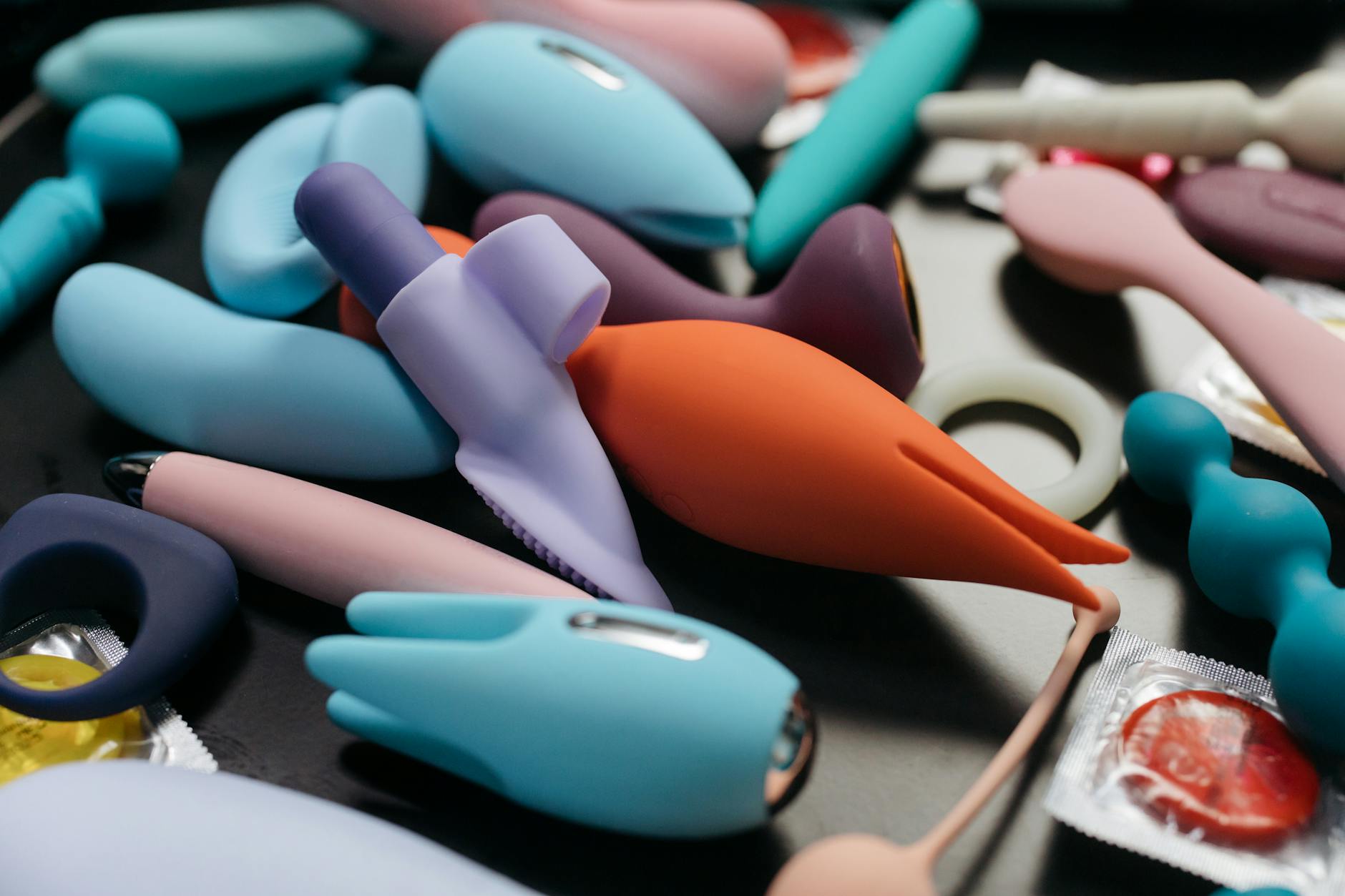
This is where the tool matters. Lemon suction vibrators like the Lem work differently from traditional vibrators. Instead of relying on high-frequency vibration to build sensation, suction-based designs stimulate nerve clusters through rhythmic pressure and release. The effect is gentler on desensitized tissue and reaches nerves through a different pathway.
Three practical reasons this helps on SSRIs:
1. Less reliance on direct friction. When genital sensation is muted, traditional vibrators often respond with more speed or intensity, which can feel uncomfortable or numb you further. Suction stimulates without that friction, so you're not fighting against muted sensation.
2. Breaks the feedback loop. Sexual response partly works through anticipation. Sensation builds, your brain anticipates more, your body responds. When SSRIs flatten that cycle, a different stimulus can restart it. Switching toy types interrupts the "this isn't working" thought pattern.
3. Engages different nerve clusters. The clitoris has about 8,000 nerve endings. Most traditional vibrators target one area. Suction-based designs create a wave of pressure and release that engages more of them at once, which can bypass some of the SSRI dampening.
Practical adjustments that actually work
Before you ask your doctor for a medication switch, try these first. Most of them cost nothing.
Separate arousal from orgasm as goals. Stop expecting your body to follow the old timeline. Spend two weeks focused solely on "does this feel pleasant right now" without any expectation of climax. Your nervous system will relax, and orgasm often returns once you stop treating it as a test you're failing.
Extend your warm-up. SSRI bodies need more runway. Budget 20 to 30 minutes of foreplay or solo exploration before you introduce a lemon vibrator. The dampening effect is partly neurological and partly about time. Give your brain time to shift gears.
Experiment with different intensities and patterns. If you're on a pattern 5 out of 10, try pattern 2. If you've been going for twenty minutes, stop at fifteen and come back tomorrow. SSRIs respond to novelty. The same stimulus at the same intensity becomes background noise.
Check your timing. Most SSRIs work at their peak effect four to six hours after you take them. Some people find pleasure easier first thing in the morning or right before their next dose, when levels dip slightly. Track what works for your body.
Consider a lemon sexual toy alongside a different approach. Mixing suction-based stimulation with a partner, or combining it with fantasy or audio content, adds sensory channels. Your brain gets more information to work with.
When to talk to your doctor about switching
Sexual side effects matter. They're not something to white-knuckle through if they're affecting your quality of life or your relationship. But before you ask for a different medication, know that switching isn't automatic relief.
Three conversations worth having:
"Can we adjust the dose?" Sometimes a lower dose maintains the mental health benefit while reducing sexual side effects. Not always, but sometimes.
"Are there alternatives that might have a lower sexual impact?" Certain SSRIs (like sertraline) have a lower sexual side effect rate than others. Some people do better on bupropion (Wellbutrin), which actually increases dopamine. Your prescriber can discuss this.
"Would a medication holiday help?" or "Can we add something that counters the sexual effects?" Some doctors prescribe buspirone or other agents specifically to offset SSRI sexual dampening. It works for some people. Medication holidays (stopping for a weekend) work for others. Neither is right for everyone, but they're options to discuss.
The key: bring this up directly. Your doctor prescribes medication to improve your life overall, not trade mental health for sexual numbness. If it's doing the latter, the conversation isn't punishment. It's information they need.
What you need to know about pleasure while medicated
Your body isn't broken. Your brain isn't rejecting pleasure. You're literally experiencing a known, documented, reversible pharmaceutical effect. And reversible doesn't mean it disappears overnight. It means there are levers you can pull.
Honestly? Many people on SSRIs discover that lemon vibrators, patience, and a different approach to their own pleasure actually create more satisfying orgasms than they had before. The rushing, the pressure to perform on a certain timeline, the assumption that "real" pleasure should look a certain way. SSRIs force you to slow down and rebuild the conversation with your body from the ground up.
That's worth something.
People also ask
Can you orgasm on SSRIs?
Yes. About 40 percent of people on SSRIs experience no sexual side effects at all. Another 40 percent have some delay or difficulty but can still reach orgasm with time and the right stimulus. It's not a universal or permanent barrier. If you're struggling, it's not because your brain can't do it. It's because the chemical environment has shifted, and you need to adjust your approach.
How long do SSRI sexual side effects last?
That varies. Some people notice improvement within a few weeks as their body adjusts to the medication. Others experience persistent effects for months or years while staying on the same dose. A small percentage find they persist for the entire duration of treatment. This is individual and worth tracking. Keep notes on what changes over time.
Do lemon vibrators work better than other toys for SSRI side effects?
Not necessarily better for everyone. But suction-based lemon clitoral vibrators reach nerve clusters through a different mechanism than traditional vibrators, which can bypass some of the dampening effect. They're worth trying if standard vibrators feel muted. Other people find success with wands, rabbits, or app-controlled toys. The point: try something different from what stopped working.
Should you stop your SSRI if it's affecting your sex life?
No. Stopping medication without medical guidance can be dangerous and lead to relapse or withdrawal symptoms that are far worse than sexual side effects. Adjusting your approach to pleasure, trying different tools like lemon adult toys, or talking to your prescriber about alternatives are the right moves. Quitting on your own isn't.
Can switching to a different SSRI help?
Yes, sometimes. Different SSRIs have different sexual side effect profiles. Sertraline and paroxetine tend to have higher rates. Fluoxetine sometimes has lower rates. But this varies person to person. Your doctor can discuss options, and switching takes time to take effect (usually two to four weeks). It's worth exploring if sexual side effects are severe, but don't expect instant relief.
Is it normal to feel less desire on SSRIs?
Absolutely. Lower desire or a quieter spontaneous impulse to initiate is one of the most common SSRI side effects. This usually improves with time, adjustment, or medication tweaks. It's not a sign you're "not ready" for pleasure or that your relationship is broken. It's a pharmacological effect, and recognizing that often makes it easier to work with rather than fight against.
The real talk
Taking care of your mental health matters. A medication that stabilizes your mood and lets you show up for your life is doing something profound. Pleasure matters too. They're not opposing forces. They're both part of a full life.
If an SSRI is helping you think clearly and feel less trapped, that's a win. If it's also flattening your orgasms, that's a real conversation to have with your doctor. In the meantime, tools like lemon vibrators, patience with your body, and a willingness to explore a different approach can bridge the gap.
Your body isn't broken. You're just working with a different chemistry. And different chemistry just needs a different strategy. Want help figuring out what works for you? Reach out to our team at /contact. We're here.