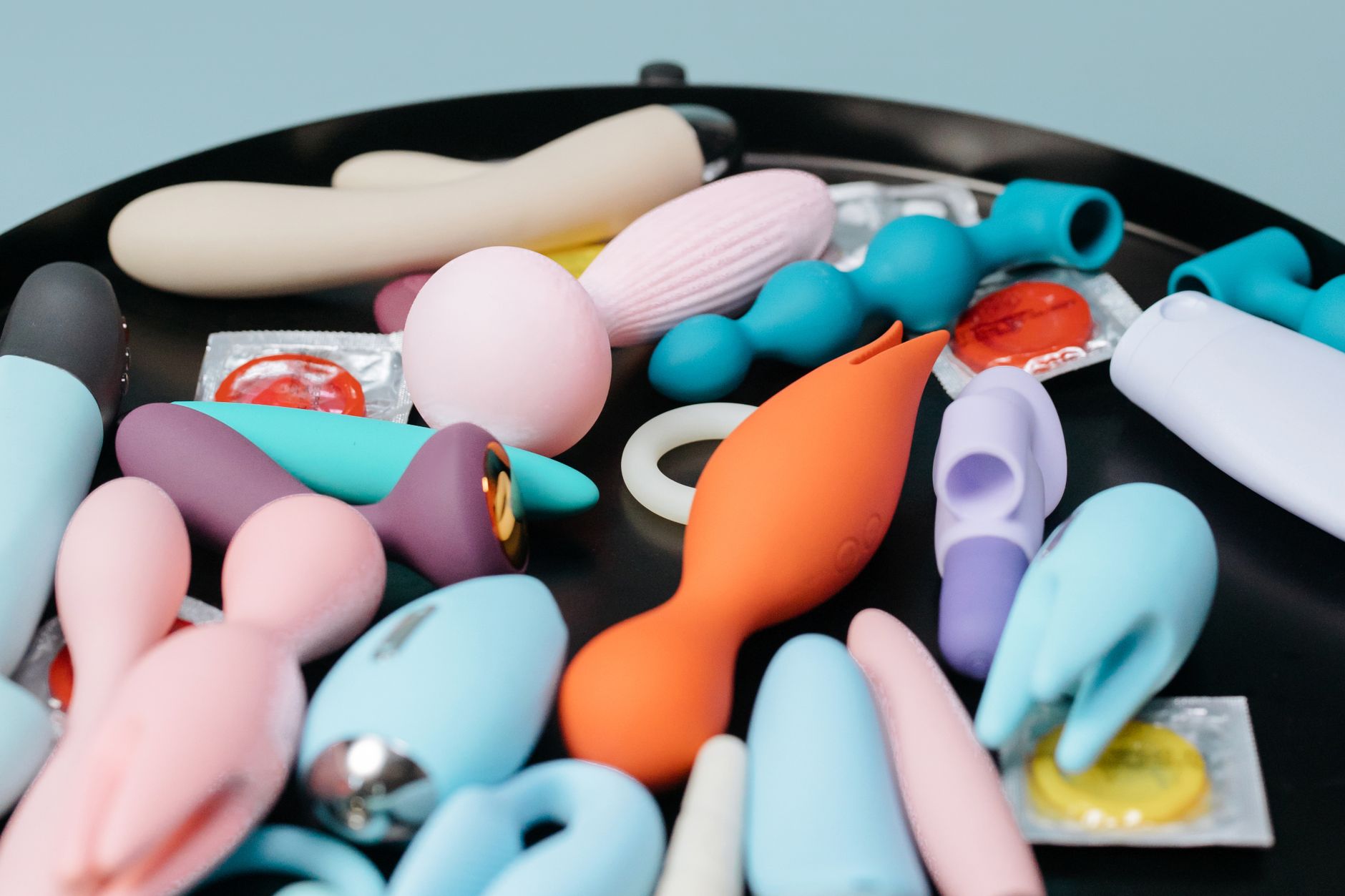
Let's talk about delayed sensation
You buy a lemon vibrator. You've heard the hype. You get home, settle in, and... nothing. Or worse, something like a dull buzz that doesn't build into the peak everyone talks about. So you assume either the toy's faulty or you are. Neither is usually true. What's actually happening is your nervous system has adapted away from pleasure, and it needs time to remember how to feel it again.
I see this constantly with clients, and it's not something manufacturers talk about openly because it makes the product sound less magical. But understanding why your lemon clitoral vibrator might take longer to work is the fastest way to make it work better.
How desensitization actually works
Your clitoris has about 8,000 nerve endings packed into a space the size of a pea. Those nerves fire in response to specific patterns of stimulation. Over time, if you use the same pattern, the same pressure, the same rhythm repetitively, those nerves stop firing at the same intensity. This is neurological adaptation, and it's not a character flaw. It's how nervous systems work.
Think of it like listening to the same song on repeat. The first time, you notice every instrument. The 50th time, it becomes white noise. Your brain literally stops processing novelty.
This happens especially with two patterns of use. First, death-grip syndrome. If you've spent years using high manual pressure before trying a toy, your body has learned to require that pressure to respond. A lemon vibrator, even at full intensity, might feel like a whisper because it's not delivering the same mechanical force.
Second, vibrator addiction. If you've been using the same intensity, the same pattern, multiple times a day for weeks, your nerves have adapted downward. They're waiting for a stronger signal to fire. This is why someone might tell you lemon sexual toys stopped working for them. The toy didn't change. The nervous system did.
The pattern that matters most
Most people don't realize that all lemon vibrators, all clitoral vibrators really, have multiple patterns, not just raw intensity. The Lem has seven. People often gravitate toward the same one. It's the strongest or the fastest or just the one they found first. Then they use it so consistently that their body optimizes for exactly that pattern and nothing else.
When that pattern stops delivering the dopamine hit, they assume the toy's worn out. In reality, their nervous system has developed a very specific expectation that pattern satisfies less and less each time.
The fix is counterintuitive. Stop using that pattern. Rotate to patterns you've ignored. Use lower intensities. Change the duration of your sessions. Every variable you alter forces your nervous system to re-engage rather than autopilot.
Why some people feel nothing immediately
Here's a second reason lemon vibrators might not land right away. Anxiety and pelvic tension.
Your pelvic floor muscles are like a security system for your genitals. When you're stressed, distracted, or your body doesn't trust that pleasure is safe, those muscles tighten. Even micro-contractions that you can't feel consciously will block sensation. A toy pressing against a tense pelvic floor doesn't reach the nerve clusters effectively. It feels like rubbing a muscle through thick fabric instead of touching skin.
This is especially true if you're using a lemon clitoral vibrator in a new environment, with a new partner, or after a long period without sexual activity. Your body might need five to ten minutes of gentle breathing and mental settling before the nervous system downregulates enough to receive pleasure.
I always recommend starting sessions at pattern one at the lowest setting. This does two things. It gives your body time to recognize the signal without overwhelming it. And it gives your pelvic floor permission to relax because you're not asking for intensity immediately.
The warm-up you're probably skipping
Here's what most people do: insert or apply toy, turn it on, wait for magic. That's about three seconds of foreplay.
Here's what works: spend ten to fifteen minutes on other sensations first. Manual touch. A partner's touch if you have one. Mental focus on what feels good. Breathing. Only after your heart rate has risen and your body is producing natural lubrication should a lemon vibrator enter the scene.
Why? Because arousal is a process with distinct stages. Blood flow needs to shift toward your genitals. Lubrication needs to increase. Muscle tension needs to shift from guarding to relaxation. Neurons need priming. A vibrator is a powerful amplifier of arousal, but it's not a starter switch. You can't amplify something that hasn't started yet.
I recommend thinking of it this way. If you were warming up before a workout, you wouldn't jump straight to your maximum weight. You'd do five to ten minutes of lighter movement first. Sex works the same way. Your nervous system needs a runway.
Environmental factors that slow response
Your setting matters wildly. If you're using a lemon sexual toy in a place where you're worried about being heard, or where you're not fully relaxed, your sympathetic nervous system (fight-or-flight) stays partially active. That system and the parasympathetic system (rest-and-digest, where arousal lives) are competing. Guess who wins when you're half-listening for someone to walk in.
Temperature also plays a role. Cold hands, a cold toy, a cold room. Your body will focus on thermoregulation instead of pleasure. It sounds silly but it's real. The Lem sitting on your nightstand at room temperature will feel different than one you've warmed in your hands for 30 seconds first.
And mental space. If you're mentally running through tomorrow's to-do list or worrying about something, your prefrontal cortex is occupied. That part of your brain needs to be somewhat offline for pleasure to move front and center. This isn't mystical. It's neuroscience. Arousal requires cognitive bandwidth.
When to suspect something else is going on
If after consistently using a lemon clitoral vibrator with proper warm-up, good technique, pattern rotation, and mental focus over four to six weeks you still feel nothing, it's worth checking a few other boxes.
Some medications genuinely blunt sensation. Antidepressants, birth control, blood pressure meds, antihistamines. Not always, but commonly enough that it's worth reviewing with your doctor.
Hormonal shifts matter. Menstrual cycle phase, thyroid function, cortisol levels from chronic stress. Your body isn't a constant thing. Pleasure responsiveness fluctuates.
And pelvic floor tension from trauma, past pain, or anxiety sometimes requires professional support. A pelvic floor physical therapist can identify tension patterns that you can't feel consciously. This isn't a judgment. It's information that changes everything about how you approach sensation.
Many people find that recovering pleasure after vibrator overuse requires a different strategy than just rotating patterns. Sometimes you need to step back entirely for a week or two to let your nervous system recalibrate.
The reset that actually works
If you've been using lemon vibrators intensely and sensation has flatlined, here's a protocol that works.
Week one. No vibrator at all. Spend ten to fifteen minutes every few days on manual touch only. No goal, no pressure to orgasm, just feeling. This gives your nervous system permission to reset without external stimulus.
Week two. Introduce a lemon sexual toy at the lowest intensity, one pattern only. Use for no more than five to seven minutes. Stop before you feel frustrated. This prevents the doom spiral of "I'm chasing an orgasm that won't come."
Week three and beyond. Rotate patterns intentionally. Build in longer warm-ups. Experiment with different times of day and environments. Gradually your nerve sensitivity returns.
This takes patience. It's not as fast as the first time you ever experienced pleasure. But your nervous system didn't desensitize overnight, and it won't resensitize overnight either. The timeline matters less than consistency.
FAQ
Why does my lemon vibrator feel less intense than the first time I used it?
Your nervous system has adapted to that specific pattern and intensity. This is neurological adaptation, not a defect in the toy. Nerve endings stop responding as strongly when exposed to the same stimulus repeatedly. Switching patterns, varying intensity levels, and taking breaks all help reset sensitivity.
How long does it take for sensation to come back after desensitization?
Typically two to four weeks of intentional reset, depending on how long you've been using the same pattern. Some people notice changes within days of switching to new patterns. Others need a full two-week break to feel significant shifts. Consistency matters more than speed.
Can lemon clitoral vibrators cause permanent nerve damage?
No. Your nerve endings adapt, but they don't permanently lose capacity. Even after months of heavy use, taking a break and varying your approach restores sensation. Permanent nerve damage from vibrator use is extremely rare and typically only happens from extreme pressure or injury, not normal use.
Is it normal to need longer warm-up time with a vibrator than without?
Completely normal. A vibrator amplifies existing arousal but doesn't create it from nothing. Most people benefit from five to fifteen minutes of foreplay before introducing a toy. Your pelvic floor also needs time to relax, which vibration alone won't trigger.
Should I try a different toy if my lemon vibrator isn't working?
Not necessarily. Most people who think they need a new toy just need to change their approach. That said, if you've been using the same lemon vibrator for months with zero sensation even after resetting, trying a different pattern of stimulation (like suction versus traditional vibration) can help. But the issue is usually technique, not the toy.
What if I have pain instead of no sensation when using lemon sexual toys?
Stop immediately and see a healthcare provider or pelvic floor physical therapist. Pain indicates either tension in your pelvic floor that needs release, tissue irritation, or something that requires professional assessment. Pain and numbness are different problems requiring different solutions.
The bottom line
Lemon vibrators work beautifully. They work best when your nervous system is primed, your environment is safe, and your patterns stay varied. If sensation has flatlined, you haven't broken anything. You've just adapted to repetition, which is exactly what nervous systems do. Reset your approach, give your body time, and sensation comes back. That's not frustrating. That's just how bodies work.
If you're navigating pleasure changes alongside relationship shifts, talking with a partner about lemon vibrators opens a different conversation entirely. Sometimes delayed sensation isn't about the toy. It's about what's happening between you and someone else.
Your pleasure matters. And understanding why it sometimes needs recalibration is the fastest path to getting it back.