
Let's talk about what actually works
You've probably tried a vibrator before. Maybe it felt okay. Maybe it felt like nothing. And if you're here, there's a decent chance you're wondering why lemon vibrators create a completely different sensation. Here's the thing: it's not marketing. It's neurology.
Traditional vibrators buzz. Lemon vibrators create suction. That single word difference explains why some people orgasm easily with one and struggle for years with the other.
How your clitoris actually receives pleasure
The clitoris has roughly 8,000 nerve endings concentrated in the glans (the visible part). But the structure goes way deeper than that. What most people don't realize is that the clitoris is shaped like an upside-down wishbone, with internal branches that extend several inches into the body.
When vibration stimulates the surface, it's working primarily on the glans and maybe the first layer of tissue. The sensation is direct, mechanical, and localized. It's like tapping on a door from the outside.
Suction works differently. Instead of tapping the surface, suction gently pulls and releases, which activates the internal architecture of the clitoris as well. Think of it as a rhythmic pressure wave that travels through the tissue rather than vibrating across it. This is why so many people report that lemon vibrators activate sensations they've never felt before, even if they've owned dozens of traditional vibrators.
The science of suction versus vibration
There are actually two distinct types of sensory receptors in the clitoris.
Meissner's corpuscles respond to light, moving touch and are exquisitely sensitive to texture and rhythm changes. Traditional vibrators work primarily here, and they work fine for some people. The problem is that vibration at a fixed frequency (typically 30-100 Hz) can actually numb these receptors over time if used repeatedly at high intensity.
Pacinian corpuscles respond to pressure changes and deeper movement. This is where suction dominates. The suction of a lemon vibrator creates pressure fluctuations that activate these deeper receptors, which means you're engaging a whole sensory system that most vibrators completely ignore.
For people who've struggled with vibrator numbness or who find that traditional vibrators just don't do much, this is the missing piece. You weren't broken. The toy wasn't matching your neurology.
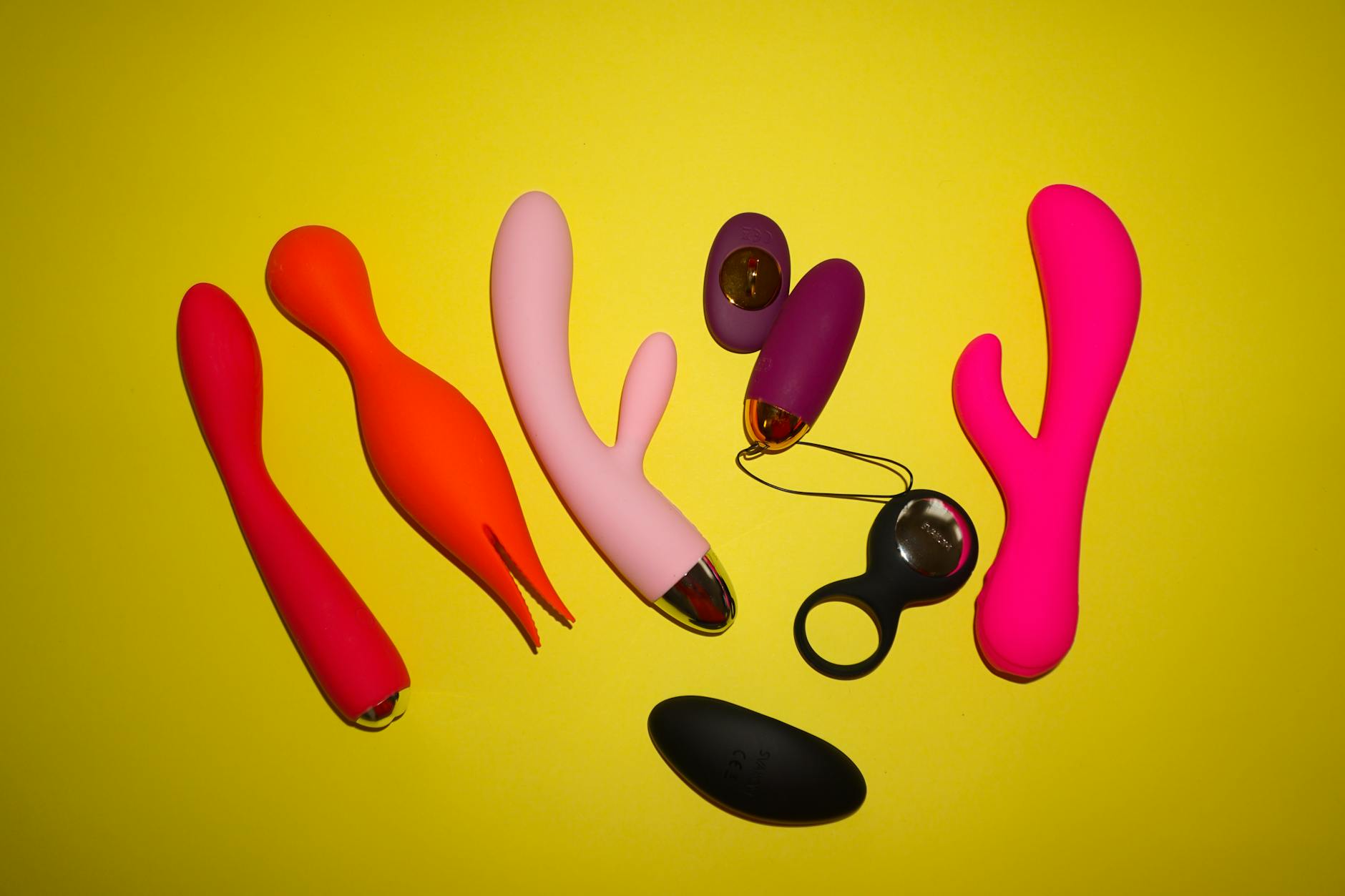
Photo by FounderTips on Pexels
Why intensity matters less with suction
One of the strangest things people report when they switch from traditional vibrators to lemon vibrators is this: you need way less intensity, yet sensation feels way stronger.
This happens because vibration works by repetition. Faster buzz, more sensation. This logic drives people to buy ever-more-powerful vibrators, and it works right up until it doesn't. Many people hit a plateau where adding power just creates numbness instead of pleasure.
Suction doesn't work that way. The intensity isn't about speed or power. It's about the quality of the pressure rhythm. A lower suction setting on a lemon vibrator often delivers more satisfying sensation than a high-power traditional vibrator, because you're activating a different (and often more responsive) sensory system.
This also means less wear on tissue. If you have sensitive skin or vulval tissue that gets irritated easily, suction tends to feel gentler because it's not relying on friction or high-frequency vibration against delicate skin.
The partner factor
Here's something people don't always talk about: how well a toy works during partnered sex matters. Most traditional vibrators buzz at a high frequency and need constant repositioning. They're also loud, which creates this ongoing awareness that you're "using a toy" rather than just enjoying sensation.
Lemon vibrators are quieter. The sensation they create doesn't require constant readjustment because suction holds itself in place more effectively than vibration alone. And because the pleasure response is often faster and more intense, many couples find that lemon vibrators actually help reconnect during sex, rather than creating distance or a sense of inadequacy.
If you've been considering bringing a toy into partnered sex, the difference between how a partner experiences a vibrating toy and a suction toy is honestly significant. One creates teamwork. The other can feel like competition.
The learning curve
Honestly though, lemon vibrators do feel strange the first time. The suction sensation is completely different from anything traditional vibrators do. It's not better or worse on day one; it's just unfamiliar.
This is why intensity settings matter. When you're learning a lemon vibrator, starting at the lowest setting is non-negotiable. Your body needs time to recognize what this sensation is and where it's pleasurable. Most people report that by session two or three, the sensation clicks and suddenly becomes addictive.
If you jump to intensity 4 or 5 on your first try, you're likely to feel overstimulation or even numbness that makes you think the toy isn't for you. But that's user error, not a flaw in the toy. This is why read the guides on how to ease into lemon vibrators if you've never used suction toys before.
What research actually shows
Most of the published research on clitoral stimulation methods comes from clinical studies on sexual dysfunction. What's interesting is that across these studies, suction-based stimulation (which includes air-pulsing and suction devices) consistently shows higher orgasm rates and user satisfaction than vibration-only devices, especially in people who haven't reliably orgasmed before.
One reason is neurological: suction activates a broader network of nerve pathways. Another is psychological: because suction feels so different, it breaks the mental pattern of "I've tried everything and nothing works." Novelty itself can reset your nervous system's response.
The third reason is mechanical: suction is forgiving. Vibration requires precision positioning. Suction creates its own seal. This means you spend less mental energy on technical adjustment and more on sensation itself.
Common myths about suction toys
Myth 1: Suction is too intense. Reality: the gentlest setting on a quality lemon vibrator is often less intense than a mid-range traditional vibrator. You have way more control.
Myth 2: They work better for some people but not others. Reality: the people for whom suction doesn't work are usually the people who used high intensity on day one, got numb, and never went back. It's not incompatibility. It's setup.
Myth 3: Suction toys are noisier. Reality: they're typically quieter than equivalent vibrators. The sensation travels through tissue differently, so you don't need the buzz to travel through the air.
When to switch from traditional to suction
You don't have to choose. But if any of these describe you, lemon vibrators are worth a real try.
You've used vibrators for years and orgasms feel difficult or numb. You've struggled to orgasm with partners even though you can alone. You have sensitive vulval skin that gets irritated easily by texture or friction. You want a toy that works during partnered sex without creating awkwardness. You're curious about sensation but traditional vibrators have always felt meh.
The switch isn't an admission that traditional vibrators are bad. It's permission to try something that might match your neurology better.
FAQ
How do lemon vibrators compare to bullet vibrators for clitoral stimulation?
Bullet vibrators are small, portable, and work well for light external stimulation. Lemon vibrators engage deeper nerve pathways through suction, which creates a different (and often more intense) sensation. Bullets are vibration-only; lemon vibrators combine suction with gentle pulsing. If bullets have never worked for you, lemon vibrators are worth trying because they're activating different receptors entirely.
Can you use a lemon vibrator if you're numb from using other vibrators too much?
Yes, actually. Numbness from vibrators usually means those particular nerve receptors have been overstimulated. Lemon vibrators activate different sensory pathways, so they often feel fresh even if you've been numb to vibration. Start low though. The novelty will feel intense at first.
Why do lemon vibrators feel better than traditional vibrators for some people?
The clitoris has two main types of sensory receptors: those that respond to light touch (vibration works here) and those that respond to pressure changes (suction works here). Many people have equal sensitivity in both systems. If vibration alone hasn't worked, it's often because suction-responsive nerves haven't been activated. It's not that vibrators are bad; they're just incomplete for your particular neurology.
Are lemon vibrators quieter than traditional vibrators?
Yes, typically much quieter. Vibration needs to buzz through the air to reach maximum perceived intensity. Suction works through pressure changes in tissue, so it's quieter and sometimes more private, which matters if you share space with others.
How long does it take to adjust to a lemon vibrator if you've only used traditional vibrators?
Most people adjust in two to three sessions. The first session usually feels weird because your brain doesn't yet recognize what suction pleasure feels like. By the second or third use, the sensation clicks for most people and becomes very pleasurable. If it still feels strange after five uses, it might not be your thing, but that's rare.
Can lemon vibrators replace traditional vibrators entirely?
For some people, yes. For others, having both is ideal because they activate different sensations. Think of vibrators as tools with different purposes. A lemon vibrator (suction-based) excels at deep clitoral stimulation. Traditional vibrators excel at lighter, faster stimulation. Your preference might be situational or might be about neurology. You don't have to choose one.
The bigger picture
Pleasure is personal. The fact that lemon vibrators work better for some people and traditional vibrators work better for others isn't a mystery. It's biology. Your clitoris has multiple types of sensory receptors, and different toys activate different ones.
If you've spent years thinking vibrators just weren't your thing, or if you've felt broken because nothing seemed to work, the problem might have been equipment, not you. That's actually good news. It means the solution might be as simple as trying a different type of stimulation.
Want to explore what works best for your body? Start with our guide to choosing the right clitoral vibrator, or reach out. We're here to help you find what actually works.