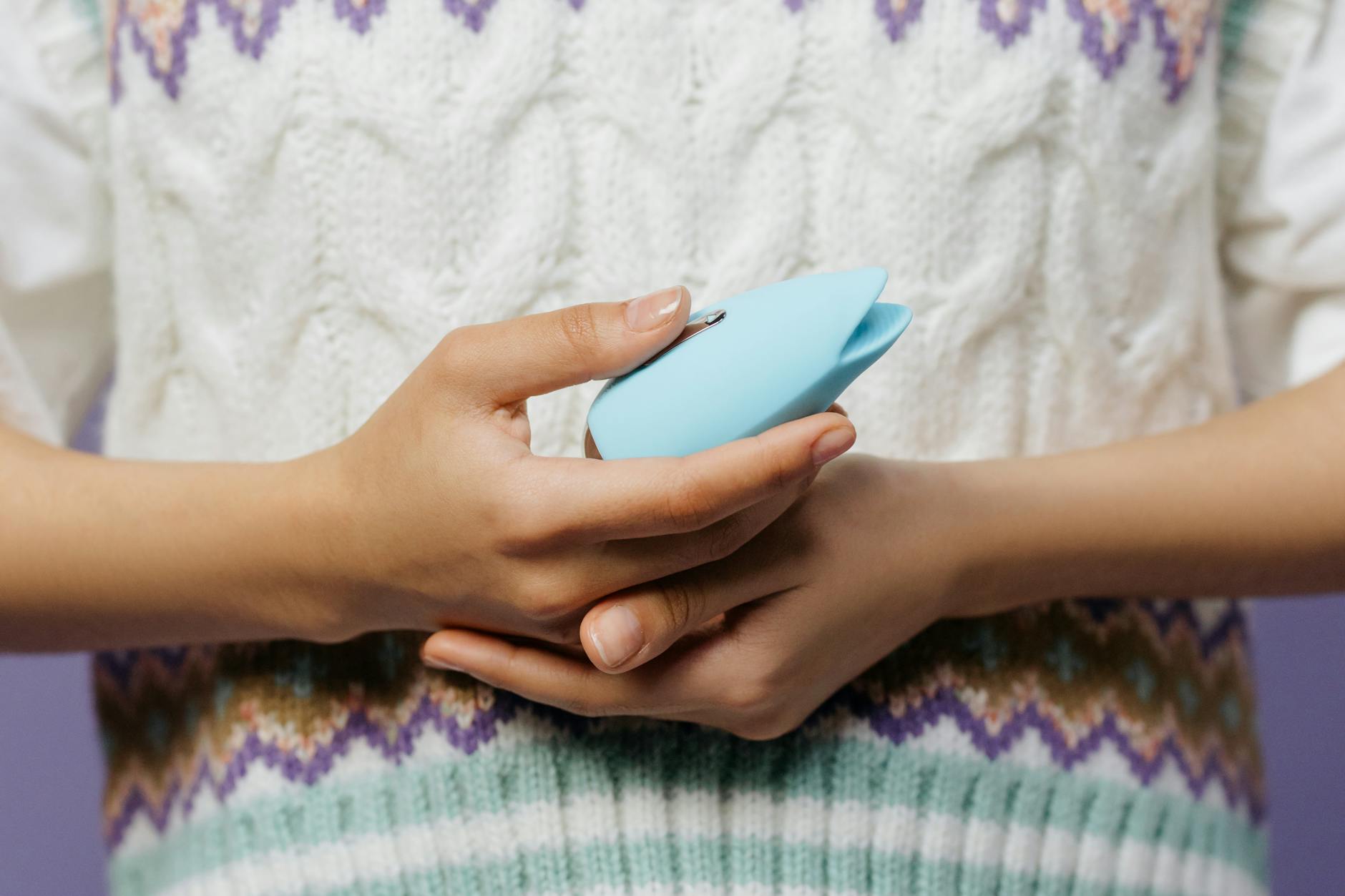
Why Lemon Vibrators Work Better With Thin Sensitive Tissue After 40
Let's be real. Your body at 40 doesn't work the same way it did at 25. Tissue changes. Elasticity shifts. What felt amazing then might feel uncomfortable now. And most of the advice out there treats that as the end of the story. It's not.
What actually happens is this: your tissue becomes thinner and more sensitive. That's not a problem to manage around. It's an invitation to use a better tool. Lemon clitoral vibrators were designed with exactly this in mind, and understanding why they work so much better than traditional vibrators on delicate tissue changes everything.
The tissue reality nobody explains clearly
Estrogen affects everything below the belt. As it drops (whether from age, medication, or surgery), several things happen at once:
The epidermis, that protective outer layer, gets thinner. The underlying tissue becomes less hydrated. Blood flow changes. Nerve sensitivity actually increases, even as the tissue itself becomes more fragile. That's the twist nobody mentions. You're not losing sensation. You're gaining it in a tissue that's less cushioned.
This is why traditional bullet vibrators, designed for thicker tissue with more bounce, feel harsh on aging skin. They deliver constant, direct pressure to tissue that's literally thinner and more tender. It's not your imagination. It's biomechanics.
How lemon vibrators approach the problem differently
Lemon clitoral vibrators (and other air-suction toys) work through gentle, pulsing suction rather than direct mechanical vibration. Think of it like the difference between jabbing a bruise and massaging around it.
Instead of pressing down, suction pulls tissue gently into a chamber where it receives rhythmic pressure. The stimulation is:
- Distributed across a wider surface (not concentrated on one small point)
- Rhythmic rather than constant (giving tissue recovery time between pulses)
- Non-abrasive (no direct friction that can irritate delicate skin)
- Deeper (activating nerve pathways without surface trauma)
For thin, sensitive tissue, this is the difference between discomfort and genuine pleasure.
Why tissue thickness matters more than you'd think
Here's the practical part. Tissue thickness directly affects how stimulation feels. Thick tissue has more buffering. When you apply vibration to thick tissue, the energy spreads out. When you apply it to thin tissue, the intensity concentrates.
A traditional vibrator set to medium on younger skin might feel like a whisper. The same vibrator on tissue that's lost elasticity and volume feels like a shout. Your sensitivity hasn't changed. Your tissue's capacity to absorb pressure has.
Lemon vibrators solve this because suction doesn't rely on direct pressure. The sensation comes from the pull, not the push. For thin tissue, that's gentler on the surface while still being deeply pleasurable.
Lubrication becomes non-negotiable (and that's okay)
Water-based lubricant stops being optional after 40. If tissue is thinner and less naturally hydrated, friction increases. Even with a lemon clitoral vibrator, which requires less lubrication than traditional toys, a good quality water-based lube transforms the experience.
Use it generously. Reapply if sensation changes or feels drier. This isn't a sign something's wrong. It's how your body works now, and accounting for it means better sensation, zero irritation, and way more pleasure.
Avoid silicone-based lubes if you're using silicone toys, including the Lem vibrator. Water-based only. Yes, it requires reapplication. That's a feature, not a bug. It means you're checking in with your body and adjusting as you go.
Starting slowly matters more at 40 than at 25
Thin tissue isn't fragile in the way that suggests you should avoid pleasure. It's more responsive. That responsiveness means you can start at lower intensities and still feel everything.
Most people over 40 report better results starting at pattern 1 or 2 on a lemon vibrator, building to 3 or 4, rather than starting at medium and ramping up. The lower starting point isn't a compromise. It's where real sensation lives on aging tissue.
Some people never move past level 2. That's completely normal. Thin tissue actually reaches full arousal faster once you're using the right tool.
Warm-up time changes but doesn't disappear
Blood flow to genital tissue changes with age. You might need 15 to 25 minutes to fully arouse, rather than 5 to 10. That's not dysfunction. That's the timeline of your body now.
The good news: a lemon clitoral vibrator actually accelerates this process compared to traditional vibrators, because the suction mechanism triggers a different neural pathway. Many people find arousal builds faster with suction toys once they're on the other side of 40, despite the slower initial warm-up.
Plan for longer foreplay. Use that time to check in with yourself. Notice what feels good. Thin tissue benefits from attention, not rushing.
When to get professional input
If you're experiencing pain during use (not pressure or intensity, but actual pain), see a gynecologist or pelvic floor specialist. Genitourinary syndrome of menopause is real and treatable. Topical estrogen creams work remarkably well and take about three weeks to show results.
If you're noticing tearing or bleeding, stop and consult a provider. These aren't reasons to give up pleasure. They're reasons to get medical support so you can enjoy it safely.
A lemon vibrator is a tool, not a treatment. But it's an exceptionally good tool for aging tissue when used with intention.
The permission piece is bigger than the mechanics
After 40, pleasure often gets tangled up with other things: relationship changes, body image shifts, grief about aging, permission to prioritize your own sensation. A lot of what feels like a physical problem is actually an emotional one wearing a physical disguise.
If you're struggling with desire or comfort, separate the two conversations. "My tissue is responding differently" is different from "I don't feel sexy anymore." One is mechanics. One is belief. Both matter. Neither needs to end your sexual life.
A lemon clitoral vibrator, used intentionally, is a way of saying your pleasure matters at any age. It's a tool that meets your body where it is now, not where it was.
FAQs about lemon vibrators and aging tissue
Can you use a lemon vibrator safely if you have genitourinary syndrome of menopause?
Yes, but treat it as a complementary tool, not a substitute for medical care. If you have significant dryness, pain, or tissue fragility, start topical estrogen cream first and wait two to three weeks for improvement. Then introduce a lemon vibrator at the lowest setting with plenty of water-based lubricant. The suction mechanism is gentler than traditional vibrators, making it a good choice once tissue has some support. Always check with your provider about timing and any bleeding or tearing.
Do lemon vibrators feel different on thin tissue than on thicker tissue?
Completely. On thin tissue, the sensation is more diffuse and can feel stronger overall, even at lower settings. People often report that lemon clitoral vibrators feel almost too intense on aging tissue when they first try them, then realize they were starting too high. Many people after 40 find their sweet spot at pattern 1 or 2, versus younger users who might prefer 3 or 4. Start low and build. Your tissue will tell you what's right.
How often can you use a lemon vibrator if you have thin, sensitive tissue?
Daily use is fine if it feels good and doesn't cause irritation. Thin tissue doesn't lose sensation from regular use the way some people worry. What matters is lubrication, starting at low intensity, and paying attention to any discomfort. If you notice irritation, take a day off and return with fresh lubricant. Your body will adapt to regular pleasure.
Will using a lemon vibrator make thin tissue even thinner?
No. Gentle, consistent stimulation actually improves blood flow and tissue health over time. Avoiding pleasure or stimulation can contribute to further atrophy. Using a lemon clitoral vibrator, which is gentler than traditional vibrators, is actually protective of tissue. The key is starting at appropriate intensity and using lubricant.
Should you use a different vibrator after 40 than you did before?
Most people do. The tool that worked at 25 often doesn't work as well at 45, not because you're broken, but because your tissue changed. A lemon vibrator is specifically designed for sensitive tissue. Many people who struggled with traditional vibrators after 40 find lemon clitoral vibrators transform their experience. It's not about losing capacity. It's about matching the right tool to your body now.
Can you feel orgasms differently with a lemon vibrator on thin tissue?
Often yes. Some people report that orgasms feel more concentrated or internal with suction toys compared to traditional vibrators. This isn't better or worse, just different. The nerve endings on thin tissue respond differently to the suction mechanism. Many people report their most satisfying orgasms after 40 came with the right tool and permission to slow down.
The bottom line
Thin, sensitive tissue after 40 isn't the end of your sexual life. It's the beginning of a different chapter. Your body has changed, and the tools that worked before don't. A lemon clitoral vibrator, designed with gentle suction instead of direct vibration, meets aging tissue where it actually is. Add water-based lubrication, start at lower intensities, give yourself time to warm up, and check in with your pleasure as you go.
Your body deserves a tool that works for it now. That's not compromise. That's wisdom.