Here's what nobody tells you about getting off antidepressants
You feel better emotionally. The fog lifts. But then you notice something else. Pleasure is still... muted. Distant. Like you're experiencing sensation through a thick window. You stopped the medication weeks or months ago, but your body hasn't caught up yet.
This is real, it's common, and it doesn't mean you're broken.
Why antidepressants affect pleasure in the first place
Most SSRIs (selective serotonin reuptake inhibitors) dampen sexual response as a side effect. They're doing their job neurologically, but that job includes slowing the arousal pathway in your brain. Serotonin is involved in orgasm too, which is why some people lose the ability to come at all while taking them. Others feel physically numb even when mentally aroused.
Here's the part that catches people off guard: when you stop the medication, the sexual side effects don't always reverse immediately. Your nervous system took months to adapt to the presence of the drug. It can take weeks or even months to readapt without it.
Worse, after years of dampened sensation, your body and brain have learned a new baseline. Your clitoris is still sensitive, but the neural pathways for arousal have gotten quiet. Rebuilding them isn't hard, but it requires intention.
The gap between stopping and recovering
There's a waiting period. I call it the liminal space. You're off the medication. You're not depressed. But pleasure still feels like a language your body is forgetting to speak.
Some people experience this gap for 4-6 weeks. Others report it lasting 3-4 months. Brain chemistry is glacial. The good news is that your capacity for pleasure hasn't vanished. It's just dormant.
During this time, people often panic. They assume they'll never feel like they used to. Or they jump into sex before they're ready, feel disappointed, and give up. Neither approach works.
How clitoral vibrators fit into recovery
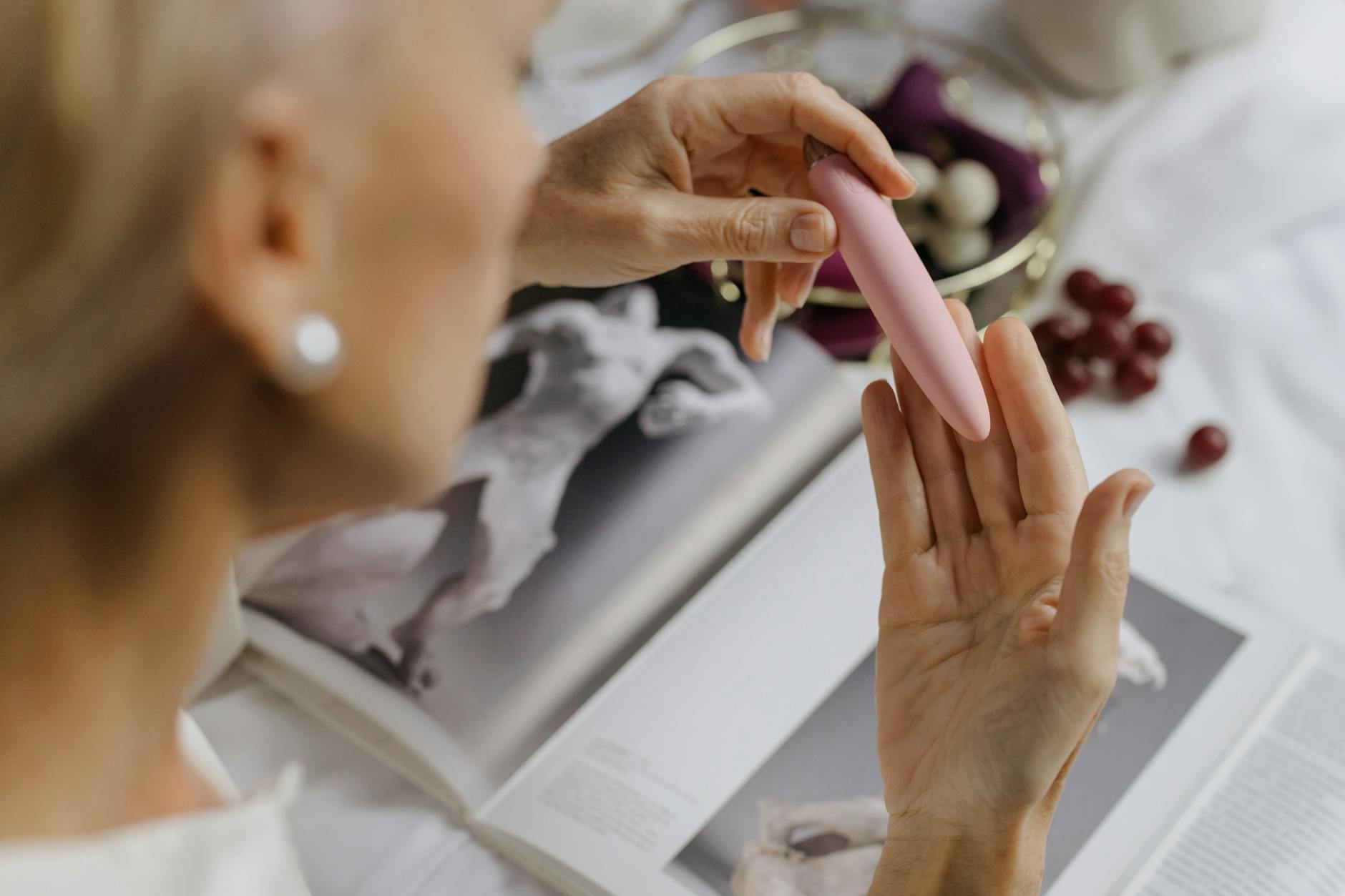
This is where lemon vibrators come in. Air-suction clitoral vibrators like the Lem are uniquely useful during this phase because they do something traditional vibrators don't: they stimulate through gentle suction rather than pure vibration.
Why this matters after antidepressants: your nervous system is hypersensitive to retraining. Intense friction or rapid vibration can overstimulate tired nerve endings. Suction creates a gentler, more diffuse kind of stimulation that actually helps wake up the arousal pathways without overwhelming them.
It's also psychological. When sensation feels muted, knowing that a clitoral vibrator is specifically designed to create intense sensation in that exact spot gives permission. You're not trying to feel something that isn't there. You're using a tool that's genuinely engineered to help.
The sensate focus approach
I recommend combining a lemon sucker with a technique called sensate focus. This is where you touch yourself with zero goal of orgasm. Sounds counterintuitive. The point is to rewire pleasure back into your nervous system without the performance pressure.
Here's the practice:
Week one through two. Spend 10-15 minutes exploring your body with your hands only. No goal. No rush. Notice where sensation lives. Touch your thighs, your neck, your breasts. Most people discover that sensitivity returned to unexpected places first.
Week two through three. Introduce the Lem on its lowest setting. Use it on your inner thighs, your labia, anywhere but directly on the clitoris at first. You're teaching your nervous system that pleasure is coming back. This is the recalibration phase.
Week three onward. Now use the clitoral vibrator on your clitoris. Start at pattern one. Most people find they can build arousal faster than they could six months ago, even if orgasm still takes longer than it used to.
The timeline matters less than the permission structure. You're saying to your body: we're doing this slowly, on purpose, and sensation is allowed to return.
What helps it go faster
Sensation recovery after antidepressants is faster when you address three things at once: nervous system regulation, pelvic floor relaxation, and the physical environment.
Nervous system regulation. This sounds vague, but it's concrete: deep breathing during arousal matters. When pleasure starts returning, anxiety often resurfaces ("what if I lose it again?"). Box breathing, four counts in, hold for four, out for four, genuinely helps keep the sympathetic nervous system calm enough for pleasure to continue building. Do this while using a lemon vibrator and you'll notice arousal deepens.
Pelvic floor awareness. After years on antidepressants, many people unconsciously hold tension in the pelvic floor. It's a habit. Gentle internal massage, kegels done slowly (not rapid), and deliberate relaxation help. Some people benefit from pelvic floor therapy if sensation doesn't return. But you can start this alone.
Environment and time. Hot water, privacy, no phone, no clock watching. This isn't about luxury. It's about your sympathetic nervous system (fight or flight) actually downregulating so your parasympathetic system (rest and digest, where pleasure lives) can activate.
When sensation still hasn't returned
If you're three months off antidepressants and clitoral pleasure is still completely absent, it's worth a conversation with your prescribing doctor. Sometimes the right move is a different medication class that has fewer sexual side effects. Sometimes it's a dosage adjustment if you're still on something.
There's also a condition called post-SSRI sexual dysfunction where sexual side effects persist long after stopping the medication. It's real but rare, and there are treatments. A doctor who understands this matters. Not all do.
If depression returns and you need to go back on medication, you don't have to choose between mental health and pleasure forever. Different medications have different sexual side effect profiles. You have options worth exploring.
The emotional side of coming back online
Here's something I see happen that isn't talked about enough: when sensation starts returning, people feel grief. They're relieved, yes. But they're also angry about the years they lost. About partners who left during the numb phase. About the life they didn't live while their body was on pause.
That grief is valid. It's not something a lemon vibrator solves. But it's part of recovery, and pretending it isn't makes the physical work harder.
If you have a partner, this is worth naming. "I'm rebuilding pleasure, and I'm also processing what I lost in that time." That one sentence can shift everything.
If you're solo, give yourself permission to grieve and also celebrate that your body is waking back up. Both things are true.
FAQ: Sensation recovery after antidepressants
How long does it actually take to feel pleasure again after stopping SSRIs?
Everyone's timeline is different, but most people notice shifts within 4-8 weeks. Full sensation recovery can take 3-4 months. Some people feel shifts even faster; others take longer. Brain chemistry isn't a sprint. The key is consistent, gentle practice rather than checking the clock.
Can a clitoral vibrator like the Lem actually help, or is that placebo?
It's not placebo. Air-suction vibrators create a specific kind of stimulation that gentler friction vibrators don't. They're also psychologically powerful. Knowing you're using a tool specifically designed to create intense clitoral sensation gives your nervous system permission to expect pleasure. That matters neurologically, not just mentally.
Will I ever feel as good as I did before antidepressants?
Maybe even better. Depression dulls pleasure in a different way than medication does. Many people find that once both depression and medication are gone, pleasure actually returns richer than it was during depression. It's not the same as before, but better often means more conscious, more intentional, more grounded in your actual body.
Is it bad to use a clitoral vibrator if I'm still building sensation back?
No, it's helpful. Use lower settings and go slowly. You're not forcing anything. You're creating the conditions for your nervous system to remember what it's capable of. Start on the gentlest setting and let sensation build from there.
Should I try to have partnered sex while I'm in sensation recovery?
Not immediately. Sensate focus works best solo first. Once you've spent a few weeks rebuilding sensation on your own, bringing a partner in becomes easier. You know your body again. You know what feels good. That foundation makes partnered sex much less pressured.
What if I'm still on antidepressants but the dose is lower?
Talk to your doctor about whether sensation is likely to return at a lower dose. Sometimes it does. Sometimes it doesn't. In the meantime, all the same practices apply. A lemon clitoral vibrator, sensate focus, nervous system regulation. These help regardless of medication status.
The truth about moving forward
Your body didn't forget pleasure. It paused it. The pause is over now. Recovery isn't about returning to exactly where you were. It's about meeting yourself where you are and gently, without pressure, inviting sensation back into the picture.
A lemon vibrator is a tool for that. Breathing is a tool. Time is a tool. Patience with yourself is the biggest tool of all. You deserve to feel good in your body again. Not eventually. Not someday. Now. And the work starts wherever you are right now.