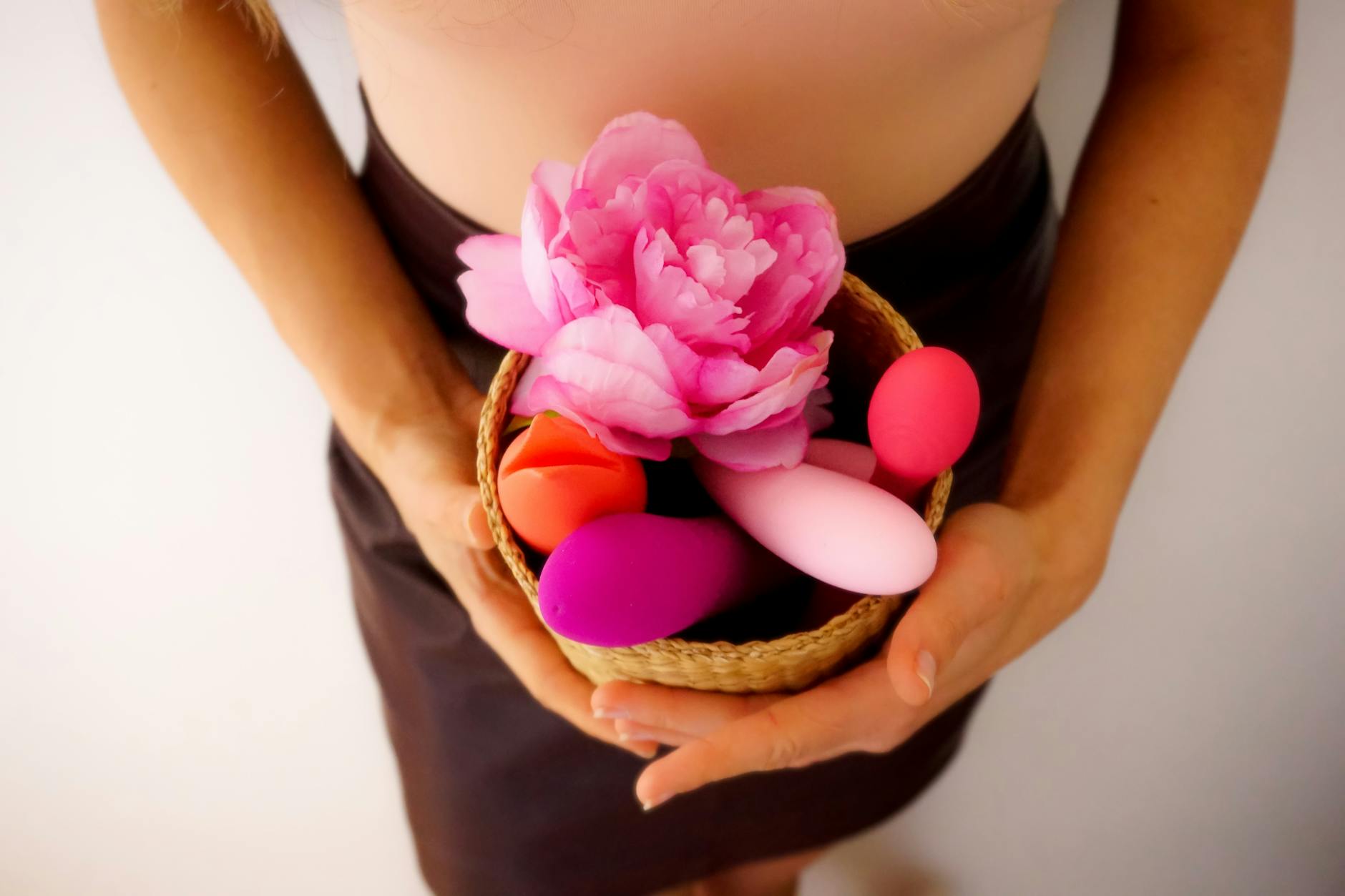
Let's start here. If you're coming to solo play after years or decades of partnered sex, the first thing you'll probably feel isn't arousal. It's awkwardness. Maybe guilt. A whisper that this is selfish, unnecessary, or too weird to figure out at this stage of your life. That whisper is so common that I'd say it's universal.
Here's what I know after working with hundreds of people navigating this exact transition: the guilt is real, but it's not grounded in anything. Your body deserves attention from you. Your pleasure isn't a side effect of someone else's desire. It's legitimate on its own.
And honestly? Most people who start exploring solo pleasure after a long partnership find it becomes one of the most grounding, clarifying parts of their life.
Partner-focused sex is collaborative. You're reading someone else's rhythm, managing your breath, tracking their pleasure alongside yours. That's not bad. It's just different from solo exploration, which has exactly zero audiences and zero expectations. The brain works completely differently when you're alone.
In partnered sex, the goal is often orgasm for both people, which creates mild time pressure. Solo play has no timeline. None. You can spend 45 minutes on sensation that takes 30 seconds with a partner. You can stop, rest, try something different, restart. That freedom is where most people finally discover what actually feels good to them, separate from what they think should feel good.
Many of my clients realize they've never actually spent intentional time learning their own body's preferences. They know what works fast, in the dark, with a partner present. They have no idea what they enjoy slowly, in daylight, with full attention on their own sensation. Those are often wildly different things.
A device like the Lem is particularly useful for solo exploration after partnered sex because it removes one barrier: the pressure to "do it right." Most vibrators, especially suction-based lemon clitoral vibrators, feel so different from partnered touch that your brain stops comparing. You're not thinking "this is weird" or "I'm doing this alone." You're just noticing sensation.
The pattern here matters. Instead of starting at high intensity and working down (which is what many people do), I recommend the opposite. Start at pattern 1, the gentlest suction setting. Let yourself feel the novelty of that for a few minutes.
Then, if you want to, try pattern 2. You're not racing. This exploration phase is the whole point.
First, privacy and time. Not just "your partner isn't home." Actually schedule it like an appointment. Friday evening, 7 p.m. to yourself, door locked, phone on silent. The structure removes the "am I allowed to do this?" question your brain keeps asking. You've already decided.
Second, a shower first. I know this sounds practical and unsexy. It's actually the opposite. A warm shower shifts your body out of task mode and into sensation mode. You're priming your nervous system. You'll also feel more comfortable, which matters when you're doing something that feels awkward at first.
Third, a private playlist. Music that you like, not music you think is sexy. If that's true crime podcasts or lo-fi hip hop or absolutely nothing, fine. The point is you're not performing for an imaginary audience. You're just creating an environment where you feel like yourself.
Fourth, lubricant. Even if you don't think you need it, use it. Water-based works best with silicone toys. It removes the one thing that might distract you: any friction or discomfort. This is about pure sensation, not efficiency.
Most people move through this in stages. Not everyone follows the same timeline, but the shape is similar.
Phase one: Novelty and awkwardness (first 2-4 sessions). You're learning how the device feels, what patterns appeal to you, where on your body works best. It might take four tries before you relax enough to actually enjoy it. That's completely normal. You're not failing. You're adjusting.
Phase two: Curiosity (sessions 5-15 or so). Now that the device itself doesn't feel foreign, you start noticing what your body actually wants. Maybe you like slow building. Maybe you want intensity. Maybe you want to switch it up mid-session. This is when you stop using the device like you're supposed to and start using it like you want to. This is where real discovery happens.
Phase three: Integration (ongoing). Solo pleasure stops being a weird new thing and becomes something normal, something you understand about yourself, something that informs how you relate to partnered sex if that's part of your life. You know what actually feels good. That clarity is powerful.
Your mind will offer commentary. "This is taking too long." "You should be doing something more productive." "Is this normal?" "Am I broken if I need this?"
None of that's interesting. It's just your brain trying to keep you in familiar territory. When it happens, which it will, I recommend two things.
First, notice it without judgment. "Oh, there's that thought again." That's it. You're not arguing with it or trying to fix it.
Second, return to sensation. What does the device feel like right now? What's the temperature of your skin? Where is your breath? What pattern are you on? These are the things actually happening, unlike the running commentary.
The chatter usually quiets down within a few weeks of regular exploration. Your brain learns that solo pleasure is safe and normal and that you're not neglecting anything important.
When you understand your own pleasure, partnered sex changes. You stop relying on a partner to give you sensation. You start requesting it, orchestrating it, knowing what you want. That shift alone transforms most relationships. You become a collaborator instead of a receiver.
You also stop feeling dependent on a partner's presence or mood for access to pleasure. That independence doesn't threaten relationships. It stabilizes them. You're bringing fullness to the dynamic instead of expecting someone else to complete you.
If you're exploring solo pleasure after a major life change like a breakup or the end of a long partnership, this becomes even more valuable. Learning to reconnect with pleasure after a breakup can feel isolating until you realize it's actually the foundation for rebuilding healthy desire.
Session 1: Just hold the device. Feel the weight. Turn it on at pattern 1. Get used to the sound and the sensation. No pressure to orgasm or even get fully aroused. This is orientation.
Sessions 2-3: Try applying it to the external clitoris for 30 seconds at a time. Notice what sensation you get. Does it feel good? Uncomfortable? Weird? All valid data. Try different patterns for just a few seconds each. You're mapping your preferences, not pursuing climax.
Sessions 4-6: Spend 10 minutes with the device at patterns that felt interesting in earlier sessions. Let yourself notice arousal building (or not building). Notice if your mind wanders. That's fine. This is still exploration, not performance.
Session 7+: You'll probably know what actually feels good by now. Use that. Vary it if you want. Orgasm might happen. It might not. Both are completely normal. The point is you're learning your own pleasure independent of any external goal.
It might. Especially if you were raised in an environment where solo pleasure was framed as shameful or selfish. That messaging doesn't disappear overnight just because you're intellectually aware it's wrong.
When guilt shows up, I recommend one of two things. First, remind yourself explicitly why you're doing this. You deserve to know your own body. Your pleasure is valid. Solo exploration makes you a better partner (if partnered sex is part of your life). These aren't nice ideas. They're true.
Second, if that's not working, talk to someone. A therapist, a trusted friend, a partner if you have one. Guilt thrives in isolation. It tends to dissolve when you say it out loud to another person and they respond with "yeah, that makes sense, and it's also not a real problem."
Hello Nancy Avo makes lemon sexual toys specifically because they work well for this kind of solo rediscovery. The Lem vibrator and other adult toys from Hello Nancy are designed for people reclaiming their own pleasure, not for performance or speed. That philosophy matters more than the specific device you choose, but having the right tool does help.
Most people report feeling noticeably less awkward by session four or five. Full comfort, where it feels like a natural part of your routine, usually takes 2-4 weeks of regular use. Some people get there faster. Others take longer. Your timeline is fine. You're not racing.
Completely normal. Orgasm isn't the point in the beginning. Comfort with your own body and understanding sensation is the point. When you stop focusing on climax, orgasm often follows naturally. If it doesn't, that's also fine. The exploration is still valuable.
You're not. There's no correct way to explore your own pleasure. If you're using the device and noticing sensation, you're doing it right. If you hate it after several tries, different tools exist. But "wrong" isn't really possible here.
Yes. When you know what actually feels good, you can communicate that to a partner. You can guide them toward sensation you enjoy instead of hoping they figure it out. That directness transforms most sexual dynamics. Partners generally prefer knowing what works over guessing in the dark.
Many people find solo exploration feels better, at least for a while. You're in complete control. There's no performance pressure. You understand exactly what's happening. Partnered sex requires vulnerability and communication with another person, which is a different skill. Both matter. Neither cancels out the other.
Lemon clitoral vibrators, like the Lem from Hello Nancy, use suction rather than traditional vibration. That creates a sensation that feels more like a partner's mouth than a standard vibrator. For people coming from partnered sex, that familiar-but-different sensation often feels less weird on the first few tries. That matters psychologically. The less awkward you feel, the faster your nervous system settles into exploration mode.
That's between you and your partner. Some partnerships benefit from transparency and shared excitement about solo exploration. Others maintain privacy around solo play. Both approaches are valid. If you do share, frame it as something that helps you understand yourself better, not as a replacement for partnered intimacy. Most partners find that deeply reassuring.
There's no ideal frequency. Some people find once a week works perfectly. Others prefer more often. Some prefer less. What matters is that you're not forcing it and you're not withholding it out of guilt. Once you've moved past the exploration phase, your body will tell you what feels right.
Years of partnered sex taught you a lot about how to be with another person. Solo exploration teaches you about how to be with yourself. Those are equally important. When you understand your own pleasure, when you've spent time in your own body without an audience, something shifts. You stop performing. You start existing in pleasure instead of pursuing it.
That clarity, that confidence, that knowledge of yourself? It's available to you. It's waiting. A lemon vibrator, or any tool that works for you, is just a way of saying yes to the exploration.