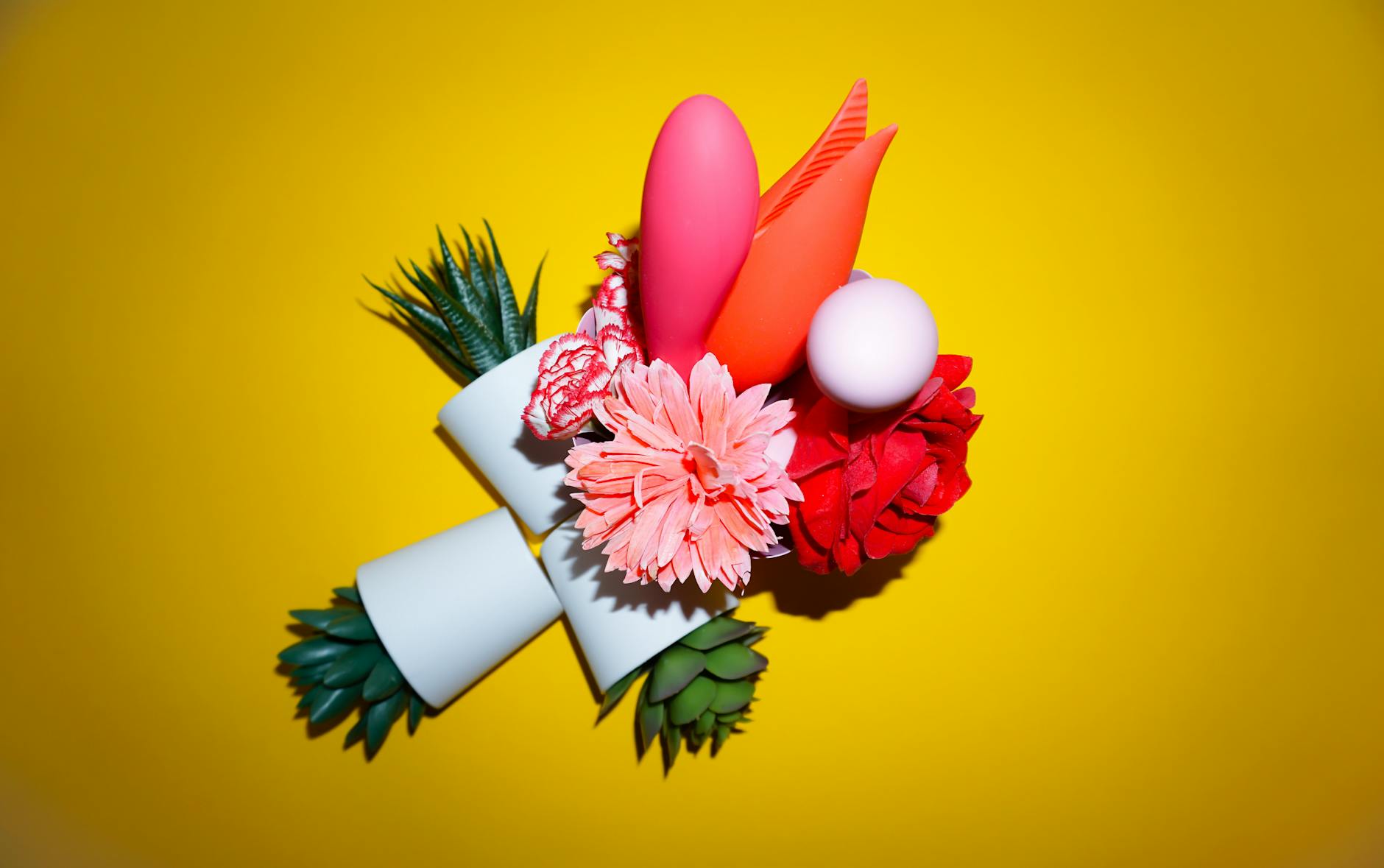
Here's what pressure actually does to your body
When you feel rushed, your nervous system goes into protective mode. Blood pressure rises, muscles tense, and the very signals that tell your body "this is safe to open up" get muted. That's not a personal failing. That's biology.
Many people show up to intimacy already braced for it. Maybe your partner initiates sex you're not quite ready for. Maybe there's an unspoken schedule (Friday nights, always). Maybe you've internalized the message that saying "not right now" means you're rejecting them, so you've stopped saying it altogether. The result is the same: you're somewhere your body isn't fully present.
And here's the thing nobody talks about: when you're operating from pressure instead of genuine desire, reaching orgasm becomes nearly impossible. Not because something is wrong with you. Because your brain is literally doing the opposite of what needs to happen.
The permission problem
Let's separate what you're dealing with here into two parts. First, there's the external pressure: someone wanting sex, expecting it, or making you feel bad for not wanting it right now. That's a boundary issue.
Second, there's the internal pressure: the belief that your pleasure has to look a certain way, happen on a certain timeline, or prioritize someone else's needs over your own capacity to feel good. That's a permission issue.
Clitoral vibrators like lemon vibrators become powerful tools specifically because they help with both. They give you control. When you hold the device, you're the one setting the pace, the intensity, the moment you start and stop. That autonomy matters more than you'd think.
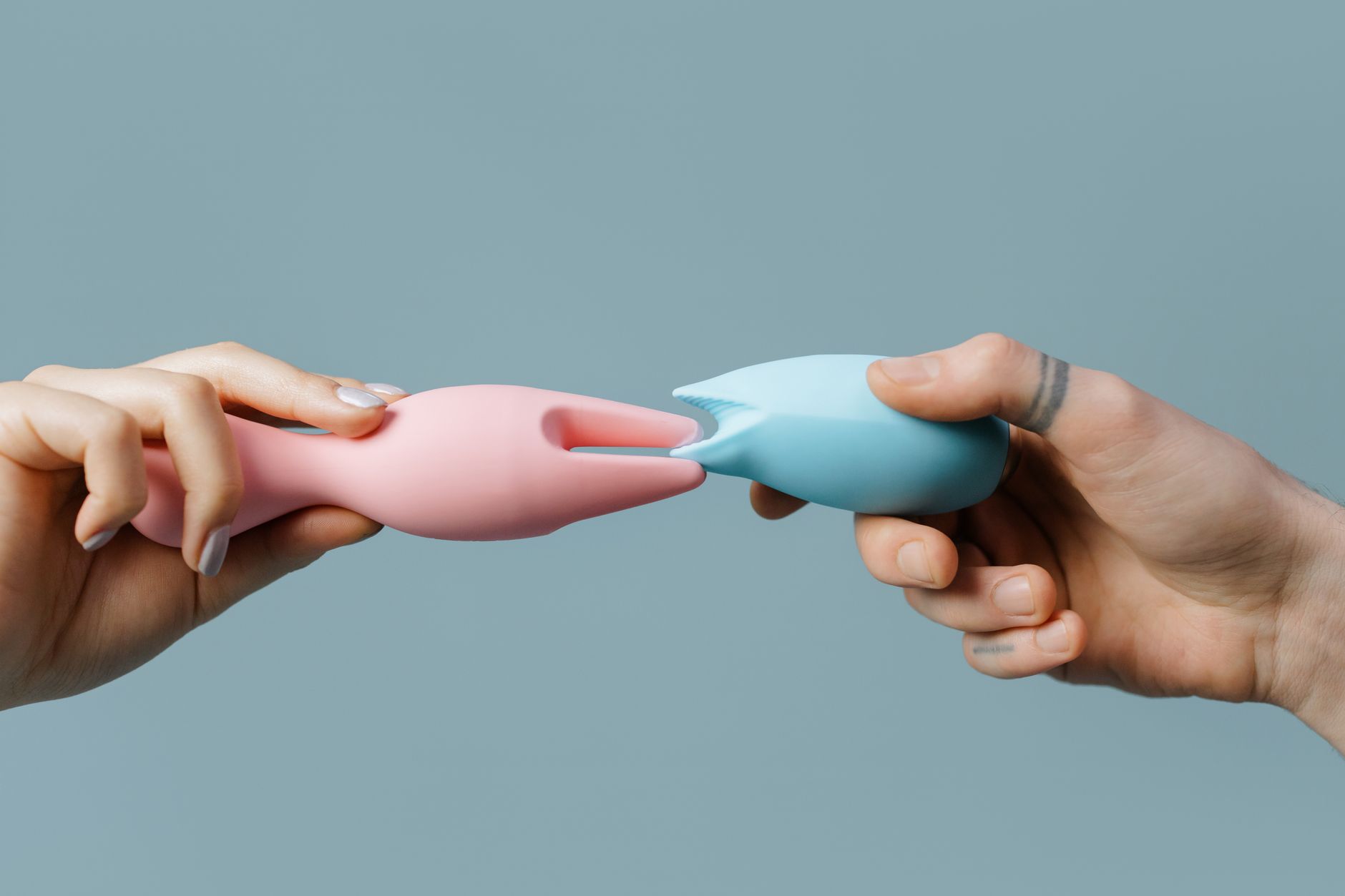
Photo by cottonbro studio on Pexels
Why lemon vibrators specifically help with pressure and pace
The Lem by Hello Nancy Avo is designed with air-pulse suction, not direct vibration. That matters when you're dealing with pressure because suction actually mimics a gentler, more natural stimulation pattern. It's not aggressive. It's rhythmic in a way that feels almost meditative.
When you've been operating under pressure, that gentleness is key. You're not fighting against intense sensation while simultaneously fighting the mental narrative that you "should" be more aroused by now. You can actually just breathe and let your body respond.
The second thing: you control it. There's no surprise. No sense of "where is this going" or "when is he going to want something else." You're deciding your own pleasure architecture.
Rebuilding trust with your own body first
Before you involve a partner again, you might need to rebuild your relationship with solo pleasure. This sounds simple but it's profound work.
Set aside 15 to 20 minutes when you know you won't be interrupted. Not while you're waiting for your partner to get home. Not while you're half watching your phone. Actually alone and actually protected.
Start with the Lem on the lowest setting. Don't go in expecting an orgasm. The goal is to notice what feels good without judgment. Notice your breath. Notice when your body wants to clench versus when it wants to soften. Notice what happens when you give yourself permission to take as long as you need.
Many people report that the first time they explore pleasure without pressure, it's shaky. You might feel guilty. You might feel awkward. That's normal. Your nervous system is learning that this is safe.
The more you practice, the more you'll start to feel the distinction between "genuine arousal" and "obligatory arousal." That distinction is everything. Once you can feel the difference in your own body, you become much better at communicating it to a partner.
Setting boundaries that actually stick
Now for the partnership part. If you're with someone, you need to have a conversation that's separate from sex itself.
This conversation is about rhythm. About how often you want to be approached. About what you need to feel interested instead of ambushed. It's not sexy. It's often awkward. It's also absolutely necessary.
If pressure has been normalized in your relationship, your partner might not even realize what they're doing. "I thought you liked it when I initiated" or "I didn't know I was pushing." That's actually useful information. It means there's something to work with.
What helps: be specific. Instead of "I need more time," try "I want you to check in with me during the day about evening plans rather than assuming. That helps me actually want to be intimate instead of feeling caught off guard." That's actionable.
The Lem becomes part of your toolkit here too. It gives you a way to enjoy sensation independently of whether your partner is available or interested. That sounds small but it fundamentally changes the dynamic. Sex becomes something you both want rather than something you're negotiating.
Using lemon vibrators during partnered intimacy without the pressure
If and when you bring a clitoral vibrator into partnered time, the control piece matters even more. You hold it. You decide when it's involved and when it isn't.
Some people use it while their partner is touching them elsewhere. Some use it solo during partnered time. Some prefer to warm up solo with the Lem first, then connect with their partner once they're already in their body.
The rhythm is yours. The pressure is off to perform. You're not racing toward a finish line because your partner is waiting. You're building sensation gradually, and inviting your partner into that instead of trying to keep up with their pace.
That shift in narrative is massive. "I'm using this to get myself ready for us" is completely different from "I need this because something is wrong." One is collaborative. One is defensive.
What happens when pressure starts to lift
Honestly, the first thing most people notice is relief. You can say no without feeling like you're hurting someone. You can feel desire again instead of just obligation.
The second thing is usually surprise at how much sensation was available all along. When your nervous system isn't in defense mode, arousal happens more easily. Orgasm often becomes more intense because you're actually present for it.
Some people reconnect with sexuality they thought was gone. Others realize they actually like sex but they hated the pressure. Those are two very different situations and they need different solutions.
The through-line is this: your pleasure deserves to happen at your pace, in your way, with full permission from yourself and your partner. Lemon vibrators and other clitoral vibrators aren't about fixing something broken. They're about giving you the physical and emotional space to actually feel something.
FAQ: Pressure, Pace, and Pleasure
Can using a vibrator alone make pressure from a partner go away?
No. The vibrator helps you reclaim your body and your capacity for pleasure. But if the pressure is coming from your partner, that's a conversation you need to have. The device is a tool for your own pleasure. It's not a solution to boundary issues in the relationship. Those require talking, sometimes with a couples therapist.
What if I feel guilty using a lemon vibrator because my partner thinks I should "want him" enough?
This is a common guilt trap. Your pleasure and your desire for a partner are not mutually exclusive. Using a clitoral vibrator isn't a rejection. It's actually a way to build arousal so you can show up more fully. If your partner sees it as competition or rejection, that's worth exploring together, possibly with a professional.
How long does it take to rebuild pleasure after years of pressure?
It varies. Some people feel reconnected after a few weeks of solo exploration. Others take months. The timeline matters less than consistency. The more you practice giving yourself permission, the faster your nervous system learns it's safe. There's no "right" pace.
Should I tell my partner I'm using a lemon vibrator for solo exploration?
That depends on your relationship. Some couples prefer full transparency. Others keep solo pleasure private. What matters is that you're not hiding it because of shame. If you're hiding it because you don't feel safe to be honest about your body, that's a relationship issue worth addressing.
What if my partner wants to use the vibrator on me but it still feels pressured?
Then you don't have to do it that way. You can use it yourself. You can set a timer and say "I want to do this for 10 minutes, then we can switch gears." You can say no entirely. The autonomy is the whole point. If being touched in any way feels pressured, that's about the relationship dynamic, not the toy.
How do I know if the pressure I feel is about my partner or about internalized beliefs about what I should want?
Both can be true. Start with solo exploration. Notice what you actually enjoy when nobody is watching and nobody is waiting. Then look at your relationship separately. Do you feel safe saying what you want? Does your partner respond when you do? That clarity helps you figure out what needs to change.
The bottom line
Pressure is a pleasure killer. It doesn't matter how much you love your partner or how great they are in other ways. If intimacy feels like an obligation, your body will shut down.
Reclaiming pleasure means rebuilding your permission first. Giving yourself time and space and a lemon clitoral vibrator that's entirely under your control. Then, from that place of actual desire, you can invite your partner back in on your terms.
When pressure finally lifts, you'll be shocked at what becomes possible. That's not because anything was wrong with you. It's because you finally get to be in your body instead of defending it.
Ready to explore? Start here. Or if navigating pressure in your relationship feels bigger, communication about pleasure might be where you begin.