Let's start with what stress actually does
You already know chronic stress feels terrible. What you might not know is that it physically reshapes how your body responds to pleasure. Stress floods your system with cortisol, which tells your nervous system to stay in fight-or-flight mode. When you're there, arousal isn't a priority. Your body is too busy deciding whether you're under threat.
This isn't weakness. It's neurology. And it's reversible, but not overnight.
Why arousal slows down after high stress
When you're under sustained pressure, your parasympathetic nervous system (the one responsible for rest, relaxation, and arousal) gets suppressed. Your parasympathetic system is what allows blood flow to your genitals, lubrication, and the mental clarity you need to feel desire. Without it, even when you try to access pleasure, your body feels distant. Numb. Like someone else is wearing your skin.
Three physiological changes happen:
1. Reduced blood flow. Stress constricts blood vessels. Your clitoris needs blood flow to swell and become sensitive. Without it, sensation feels muted.
2. Mental intrusion. Your brain stays partially in threat-assessment mode, scanning for problems instead of settling into pleasure. You can't fully arrive.
3. Slower arousal tempo. Your body takes longer to transition from stressed to aroused. This isn't a flaw in you. It's a protective mechanism that takes time to reset.
The nervous system recovery timeline
Here's what matters: you can't force your nervous system to relax faster. But you can create conditions that support it. Most people notice arousal starting to feel natural again after 4-8 weeks of consistent stress reduction and gentle stimulation practice. Some take longer. Both are normal.
The worst thing you can do right now is pressure yourself to feel pleasure on a normal timeline. That pressure itself keeps your nervous system stuck.
Why lemon vibrators work during stress recovery
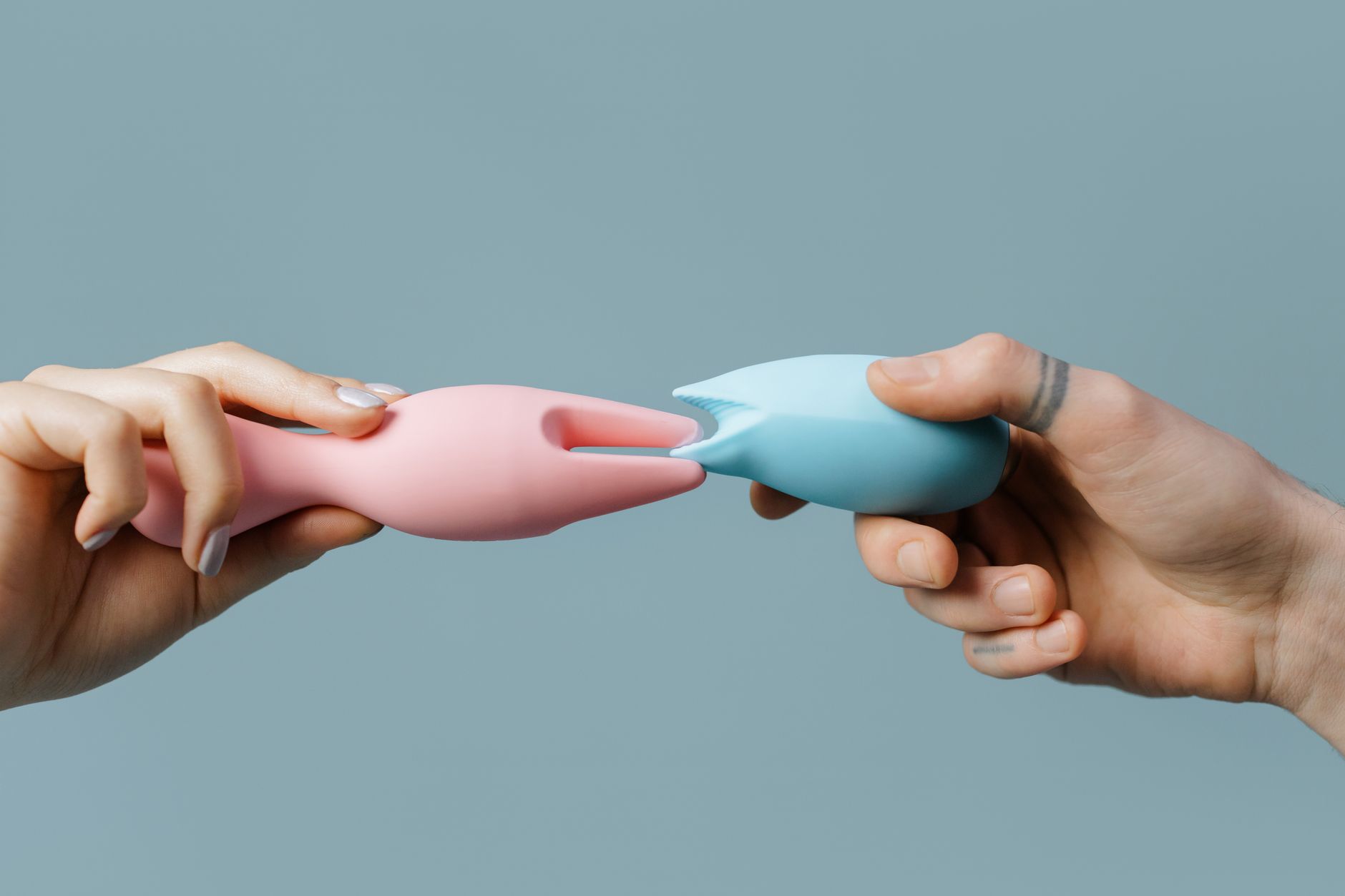
Lemon clitoral vibrators like those from Hello Nancy Avo are particularly useful here because they do three specific things your stressed nervous system needs.
They provide consistent, predictable stimulation. Your nervous system is jumpy after chronic stress. Unpredictable touch can register as threat. A lemon vibrator delivers the same rhythm and intensity every time, which tells your nervous system "this is safe, this is controlled."
They require minimal mental effort. You don't have to think about rhythm or pressure. The device does that. Your brain can focus on sensation instead of performance.
They work with slower arousal timelines. Lemon suction stimulation activates nerve pathways differently than direct friction. It's gentler on tissue that's been tensed up from stress, and it works well for slower, more subtle arousal building.
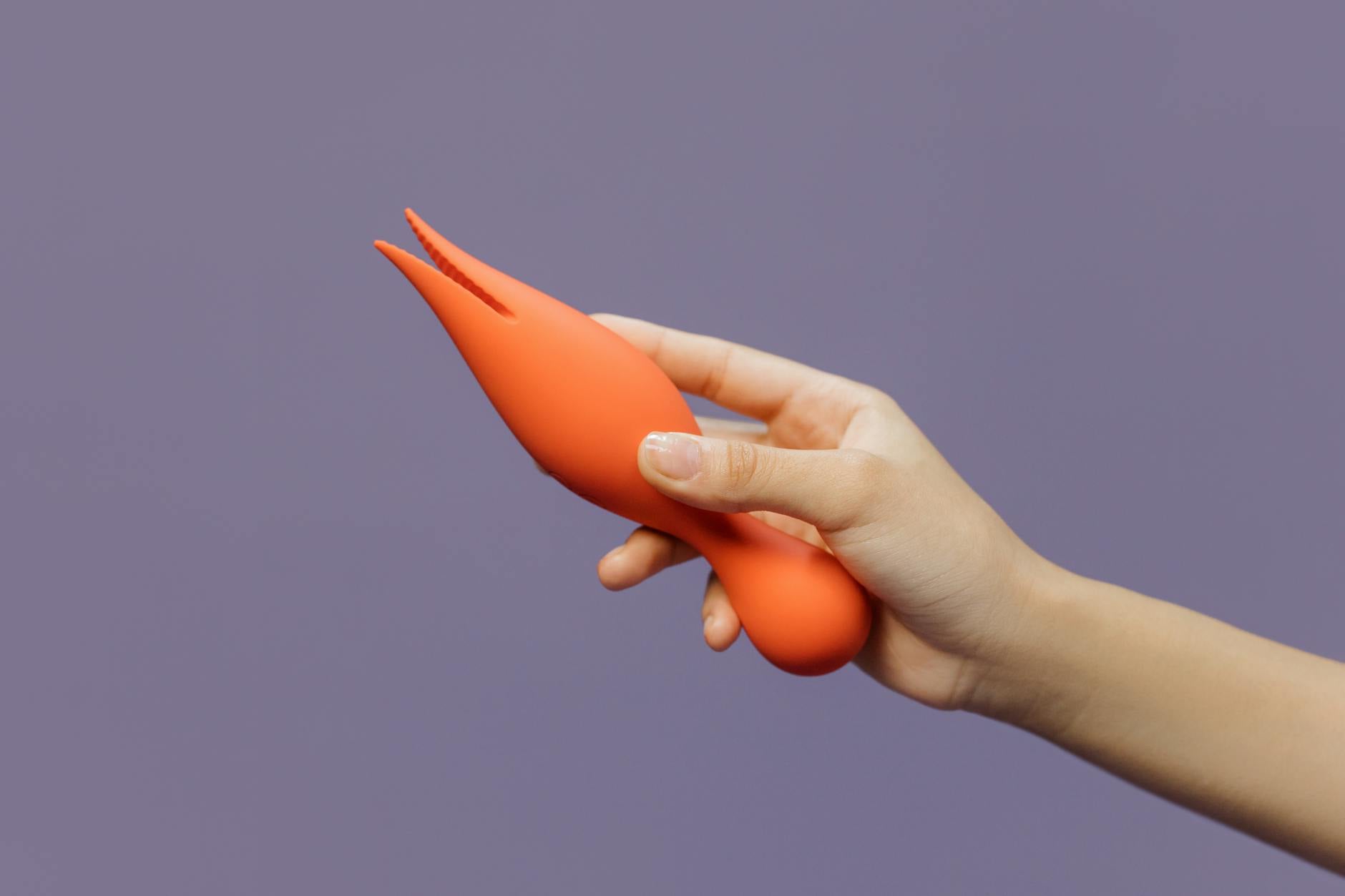
Photo by cottonbro studio on Pexels
How to rebuild arousal step by step
Week 1-2: Sensation practice without expectation. Use your lemon vibrator solo for 10-15 minutes, no goal except noticing what you feel. Start on the lowest setting. Notice where sensation shows up first. Your goal is data, not orgasm. Your nervous system needs permission to wake up slowly.
Week 3-4: Extend the timeline. Same practice, but add 5 minutes. Move the vibrator around different areas. Your clitoris isn't the only sensitive zone. Your inner labia, the area between your clitoris and vagina, even your thighs might light up as your nervous system starts recalibrating.
Week 5-6: Introduce variation. If arousal started showing up more reliably, try different vibrator patterns if your device has them. Notice what rhythm your body gravitates toward. This is your nervous system finding its way back.
Week 7+: Start integrating partnership (if applicable). If you have a partner, this is the time to bring them into the process, but only if you want to. Let them know you're rebuilding arousal on a longer timeline. Set expectations before intimacy. "I'm still warming up. I might need 30 minutes." This takes pressure off both of you.
What to avoid during recovery
Don't use pleasure as a performance metric. If you orgasm, great. If you don't, also great. Your goal right now is recalibrating your nervous system, not hitting a finish line.
Don't rush the timeline because you think you "should" be further along. Recovery isn't linear. Some days arousal comes faster. Some days it takes longer. That's fine.
Don't use alcohol or other numbing substances to speed up relaxation. Your nervous system needs to learn to calm down naturally. Substances short-circuit that learning.
When to consider professional support
If after 10-12 weeks of consistent practice arousal still feels completely absent, or if you're experiencing pain, talk to a therapist or doctor trained in trauma or stress-related sexual response. Sometimes stress triggers anxiety patterns that benefit from targeted treatment. That's not failure. That's being smart about recovery.
You can also explore how to use lemon vibrators when sensation feels disconnected from desire, which covers similar nervous system dynamics from a different angle.
The role of safety and context
Your nervous system is more likely to relax into pleasure when you feel genuinely safe. This means:
Privacy. Lock the door. Turn off notifications. Tell your partner you need 30 minutes uninterrupted.
Comfort. Temperature matters. Some people focus better when they're warm under blankets. Some need less clothing. Notice what your body prefers.
Timing. Don't practice arousal when you're already depleted. Morning might work better than night for you. Or the opposite. Pay attention to when your body has energy.
Rebuilding pleasure is nervous system work
Your stress didn't break you. It just redirected your resources. A lemon clitoral vibrator is a tool that helps your nervous system remember what pleasure feels like, at your pace, without pressure. Combined with stress reduction and patience, most people find arousal returning more naturally within a few weeks.
The fact that you're being intentional about this means you're already on the path back.
FAQ
How long does it usually take for arousal to feel normal again after stress?
There's no single timeline. Most people start noticing shifts in 4-8 weeks of consistent practice. Some people take longer. Your nervous system reset isn't determined by a schedule. It's determined by your current stress load, sleep, movement, and how often you practice. If you're still managing high stress while trying to rebuild arousal, that slows things down. Address the stress first if possible.
Can I use a lemon vibrator even if I'm not feeling much sensation right now?
Absolutely. In fact, that's exactly when they're most useful. Your nervous system is dormant, not dead. Consistent, gentle stimulation actually wakes it up. You're not trying to create sensation from nothing. You're reminding your body that sensation exists. Start low and slow.
Should I use a lemon vibrator solo or with my partner during recovery?
Solo practice is usually the better starting point. When you're alone, there's zero performance pressure. Your body can focus purely on sensation without worrying about someone else's experience. Once solo arousal starts feeling more natural, you can introduce partnership if you want to. Here's how to use lemon vibrators when you and your partner have mismatched arousal speeds if you want more guidance on that transition.
What if I don't feel anything the first time I use a lemon vibrator?
That's normal and doesn't mean anything is wrong. Stress numbs sensation. Your nervous system needs multiple exposures to realize it's safe to feel. Try again tomorrow. And the day after. By week three or four, most people notice subtle shifts. Tingling. Warmth. Slight swelling. Don't look for fireworks. Look for small changes.
Can stress-related arousal slowness turn into a long-term problem?
It can if you ignore it or keep living in high stress. But if you actively manage stress and practice gentle stimulation, recovery is the norm. Your nervous system wants to heal. You're just giving it the space and tools to do so.
Is it okay to use a lemon vibrator if I'm also in therapy for stress or trauma?
Yes, and it's worth mentioning to your therapist so they can integrate it into your recovery plan. If you're working through trauma specifically, a trauma-informed therapist can help you navigate how to use pleasure tools safely as part of healing. They're not in conflict. They work together.
References and sources
Polyvagal theory research on nervous system states and arousal: Porges, S. W. (2021). Polyvagal Theory: Neurophysiological Foundations of Emotions, Attachment, Communication, and Self-regulation. W.W. Norton & Company.
Stress-related sexual dysfunction: Basson, R. (2005). "Women's sexual dysfunction: revised and expanded in the DSM-5." Journal of Sexual Medicine, 12(6), 1451-1468.
Nervous system recovery and sexual response: Gottman, J. M., & Levenson, R. W. (2019). "A two-factor model for predicting when a couple will divorce: Exploratory analyses using daily diary data." Family Process, 41(1), 83-96.
Vibration therapy and nerve pathway activation: Meston, C. M., & Frohlich, P. F. (2000). "The neurobiology of sexual function." Archives of General Psychiatry, 57(11), 1012-1030.